Panic Hardware
Panic hardware is the one you pick when the door has to open fast and clean under pressure, so the first call is bar style and door type rather than finish. A push bar or touch bar suits wider escape doors, while a push pad or rim pattern is often the neater answer on narrower leaves or where the furniture needs to stay compact. Allow for door size and face width as well. If the device overhangs or clashes, it’s the one that gets changed later.
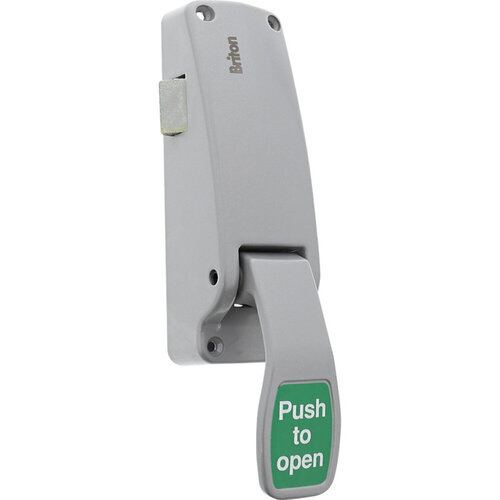
Briton 1438 Single Door Pad
Briton 1438 single door push pad, silver, EN 179 certified emergency exit device…
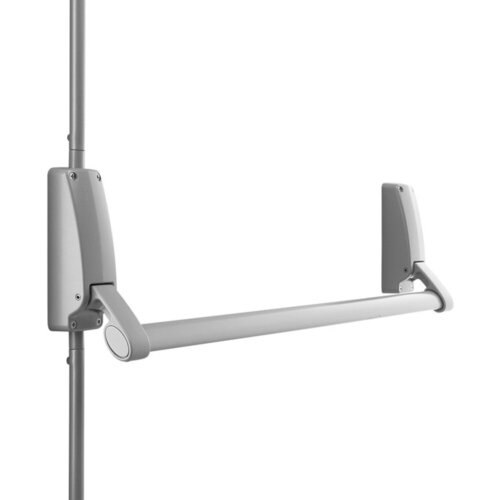
Briton 376 Single Panic Bolt
Push bar panic bolt with vertical bolts, silver, suitable for fire doors up to 1…
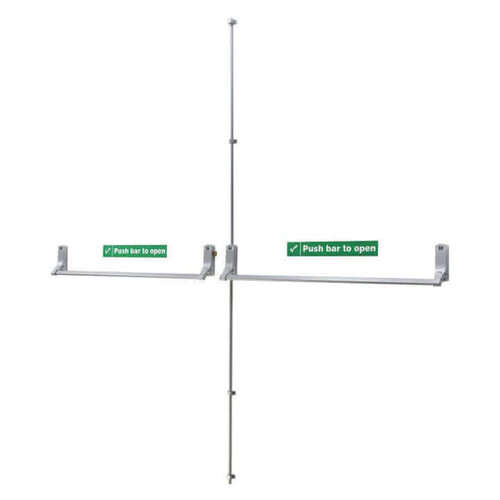
Union Exisafe Double Door Panic Bolt - Silver
CE certified double door panic bolt for emergency exits
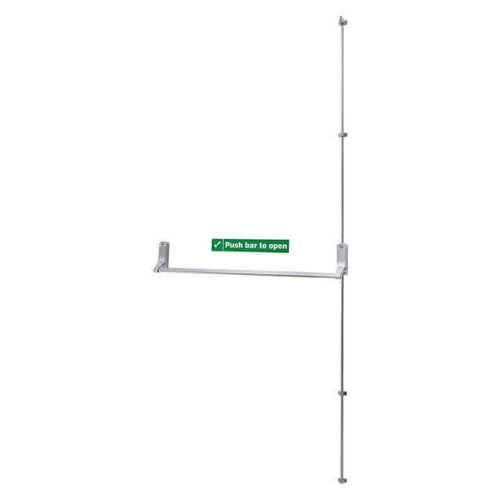
Union Exisafe Single Door Panic Bolt - Silver
Silver single door panic bolt by Union Exisafe
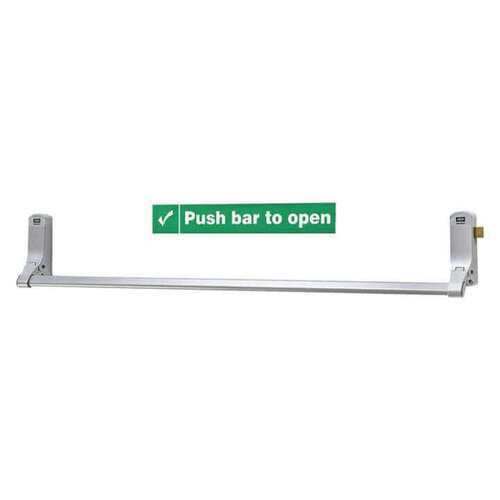
Union Exisafe Panic Latch - Silver
Panic latch for emergency exits, quick release, silver finish
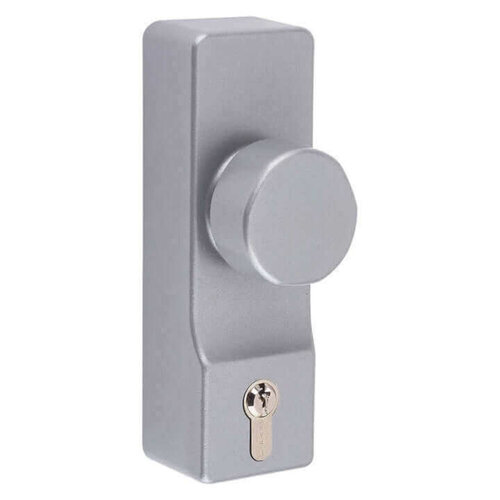
Union Exisafe Outside Access Knob - Silver
Silver outside access knob for Exisafe panic hardware systems.
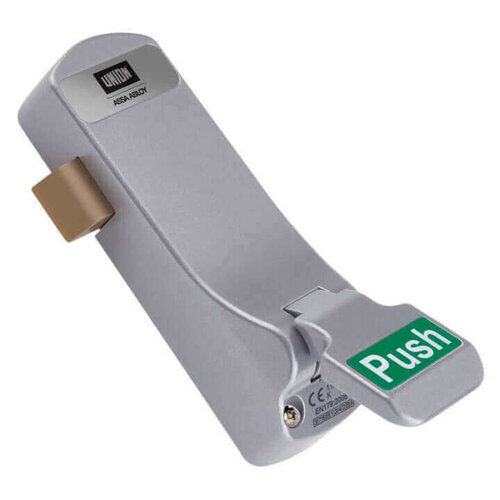
Union Exisafe Emergency Latch - Silver
Silver emergency latch with CE marking for panic exit doors
For the Trade
Start with the door and how it’s used, not the finish. If the leaf is narrow, glazed, or has awkward stiles, that cuts out options before you get into the rest of the spec. On a straightforward escape door, panic hardware with a push bar is often the cleaner fit. On tighter leaves, a lower-profile arrangement may save you grief at install and on the call-back. The jobs that go wrong are usually the ones where someone picked the look first and left the space and use to sort themselves out.
Panic Hardware Types and Layouts
The first split is usually between a panic hardware push bar and a panic hardware push pad. A bar gives you a broad, obvious contact point, so it suits busier escape doors where people may hit it in a hurry.
A pad keeps the face of the door tidier and can suit narrower leaves, but you give up that full-width contact. A panic hardware touch bar sits between the two when you want a cleaner look without moving away from a bar-style action.
If you’re matching the rest of the ironmongery in Door Furniture, keep the layout consistent. The wrong format is what causes call-backs, not the finish.
What to Check Before You Buy
Size is usually the next call. On tight stiles or a narrow leaf, narrow stile panic hardware keeps the footprint down. The trade-off is less room for a larger operating face, and less forgiveness if the door is already crowded with ironmongery.
On wider doors, a fuller panic hardware push bar or panic hardware touch bar is easier to work with. It gives you more to grab and more tolerance on a busy escape route. If you’re finishing the door with other items, check Door Accessories at the same time so the hardware isn’t fighting for space. For external leaves, Front Door Furniture is the other check worth making before you commit.
Useful Alongside Panic Hardware
Once the exit device is on, the next call is usually what sits around the door, not the bar itself. If the opening is being upgraded, you’ll often need matching door accessories, a door closer that controls the leaf without fighting the release, and the right front door furniture where the same opening also carries access control or external ironmongery.
Most call-backs come from the surrounding bits being left to last. The bar works, but the closer slams, the trim clashes, or the rest of the set doesn’t suit the door. Keep the whole opening in mind and you’ll usually avoid that second visit.
Related searches
Local availability for Panic Hardware



