Macerators
Macerators come down to what you’re connecting and how much room you have to work with. A toilet macerator suits a WC as the main load, while a shower macerator or under sink macerator makes more sense for grey waste without overspecifying the unit. Noise, access for maintenance and pipe run all matter. Quieter units often save hassle later.
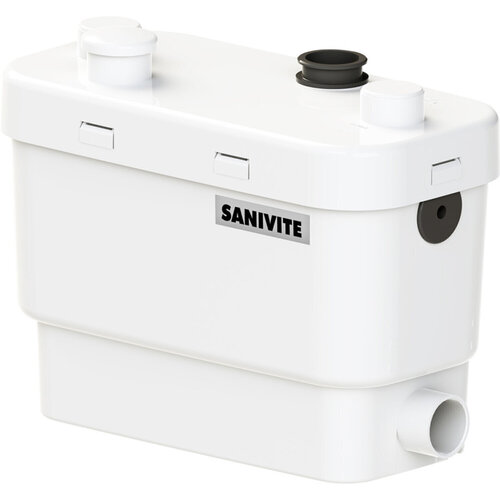
Saniflo Sanivite+ Grey Water Pump - Grey
Sanivite+ white grey water pump for domestic use, IP44, 400W, low noise
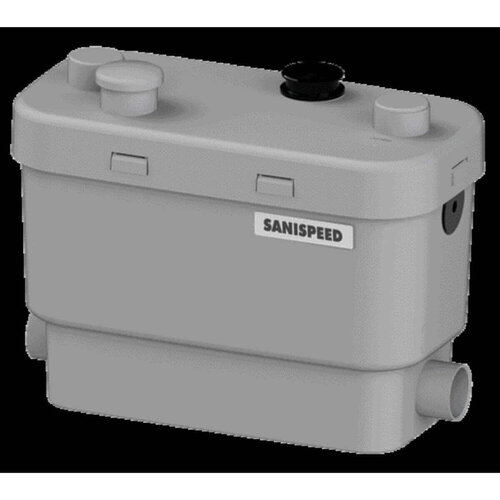
Saniflo Sanispeed+
Saniflo Sanispeed+ commercial grey wastewater pump with carbon filter
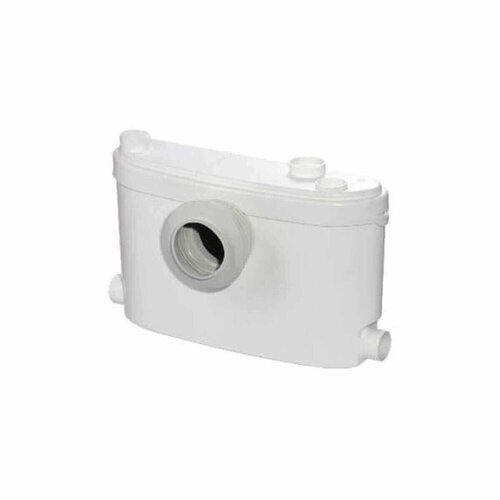
Saniflo Sanislim
Slimline macerator pump for WCs and small bathrooms.
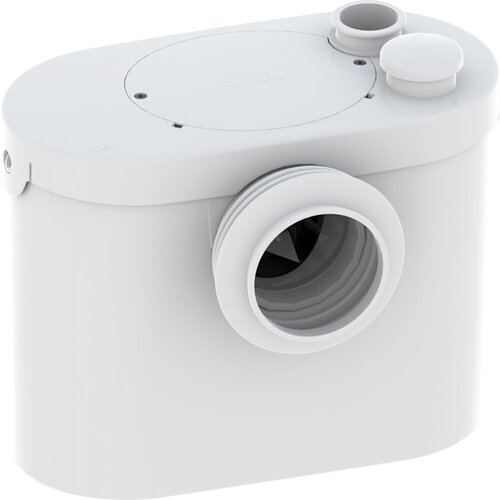
Saniflo Up Macerator
Single WC macerator, pumps up to 5m vertically or 100m horizontally, domestic us…
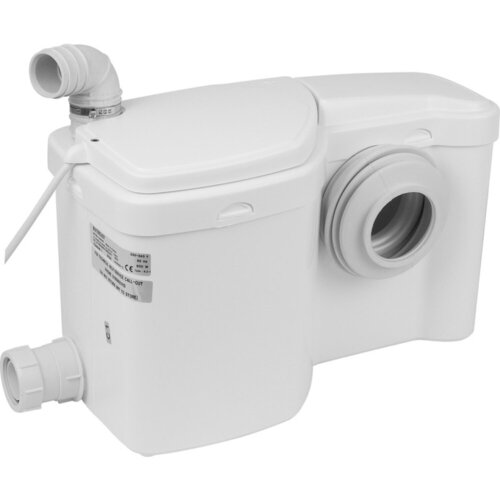
Watereasy Macerator - 230V
500W macerator with 32mm small bore outlet for domestic WC.
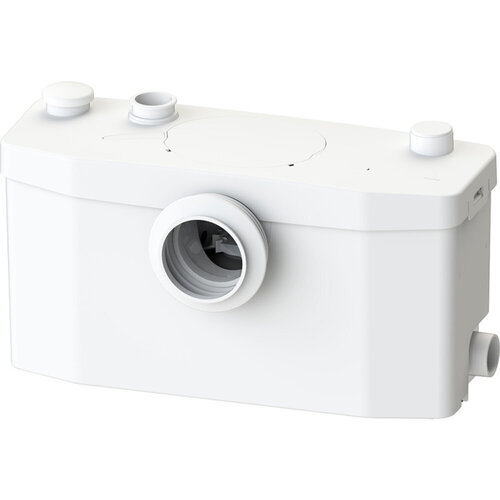
Saniflo Saniplus Up Macerator
Macerator for domestic bathrooms, pumps up to 5m height or 100m horizontal
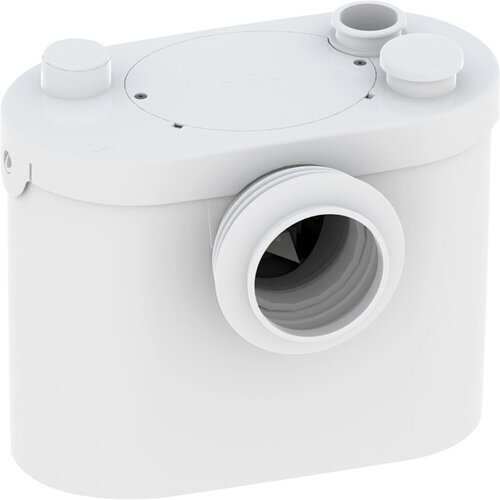
Saniflo Sanitop Up Macerator
Macerator pump for WC and basin, 2 inlets, fits behind toilet, 400W
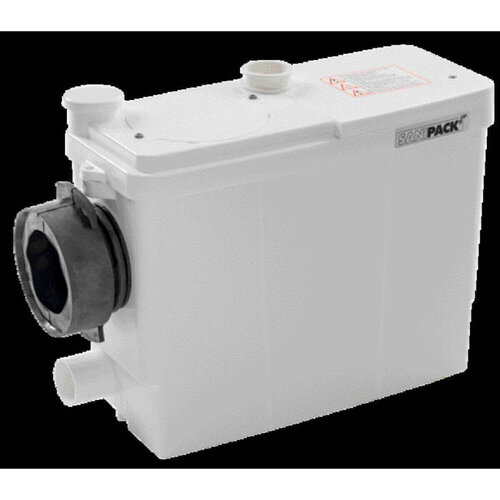
Saniflo Sanipack Pro Up
Compact macerator for concealed shower rooms, pumps waste up to 5m vertically
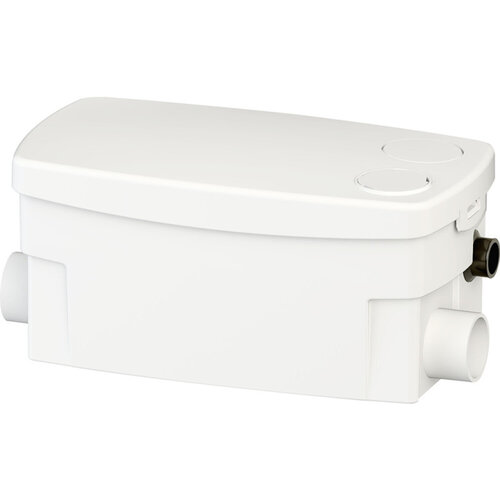
Saniflo Sanishower+ Grey Water Pump
Grey water pump for shower and basin, lifts up to 5m vertically
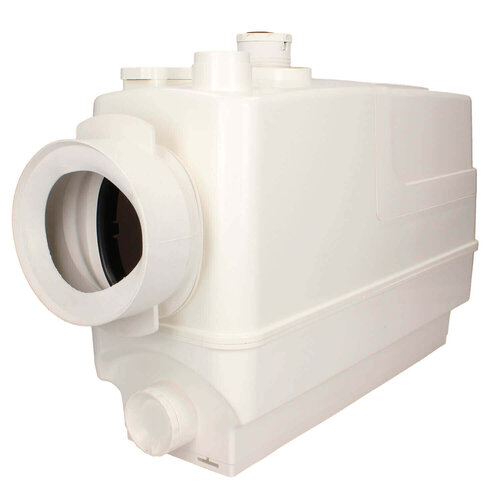
Grundfos SoloLift/2 CWC-3 Macerator / Lifting Station
Compact automatic macerator for wall-hung toilets, slim design
For the Trade
Start with the space you’ve got and what the unit needs to serve. That usually settles the job before you look at anything else. A toilet macerator is the clear call where the WC is the main load. A shower macerator or under sink macerator makes more sense when you’re only shifting grey waste. Compact units are easier to tuck in, but they can be tighter on access and less forgiving if the run or usage is heavier than planned. In practice, noise versus footprint is the call that gets changed most often. If the room is small or the unit sits close to the user, that matters more than finish.
Popular Macerator Formats
A toilet macerator is the simplest choice when the WC is the main load. It keeps the setup focused and does one job well.
A macerator pump suits shower or basin waste, where you’re moving lighter discharge. A full macerator system gives you more flexibility when the job needs more than one outlet.
The trade-off is straightforward. As the unit does more, you need to check noise, access, and how much kit you’re hanging off it. If you’re matching into existing Plumbing, that usually narrows it quickly.
Key Differences When Choosing
Space is usually the first call. A compact macerator fits where the cupboard or void is tight, but you give up some room around the unit. Make sure you can still reach the lid and service points without stripping half the fit-out.
If access is likely to be awkward, sort Access Panels at the same time. That saves you grief later.
Once the footprint is settled, check the discharge run and fittings. Long routes, awkward bends, and changes in direction all affect the choice. Match the unit to the run, then finish with the right Waste Pipe & Fittings. A neat install is no good if the outlet side is fighting you.
Next Decisions After Choosing
Once the unit’s chosen, the next call is how you finish the surrounding work. If you need access later, get the access panels in before the boxing-in goes too far. Miss that, and the service visit turns into a strip-out.
Where the discharge run is being built out, the waste pipe and fittings need to suit the route, not just the shortest line on paper. Then it’s the visible finish and any storage around the set-up, so you’re not leaving a serviceable install with a bodged front to it.
Related searches
Local availability for Macerators







