Components
When you’re picking components, start with what’s being replaced and how close it needs to match the original. Some jobs need exact automotive components to keep the repair moving. Others can use broader component parts if the fit gives you room to work with it. Engine components and other mechanical components usually suit jobs where the failed part is already known, because the wrong fit only sends it back.
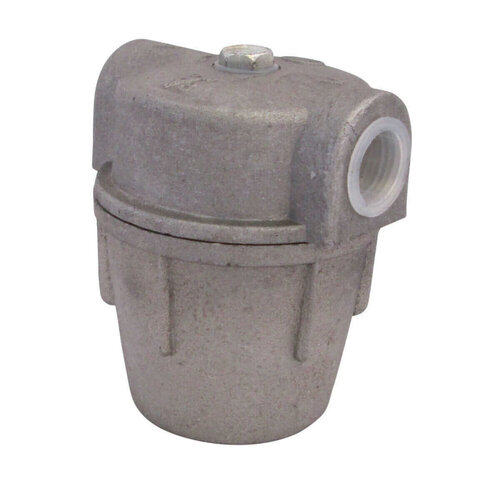
Micron Oil Filter - 3/8"
Aluminium oil filter with 3/8 inch BSP connections and metal element
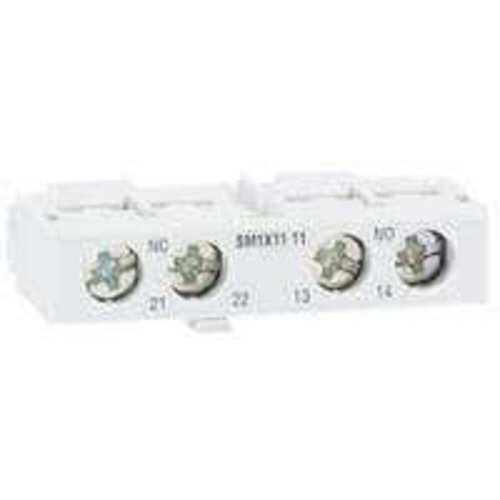
Lovato Front Mount Auxiliary Contact - 1NO/1NC 300V
Front mount auxiliary contact with 1NO/1NC, rated 300V
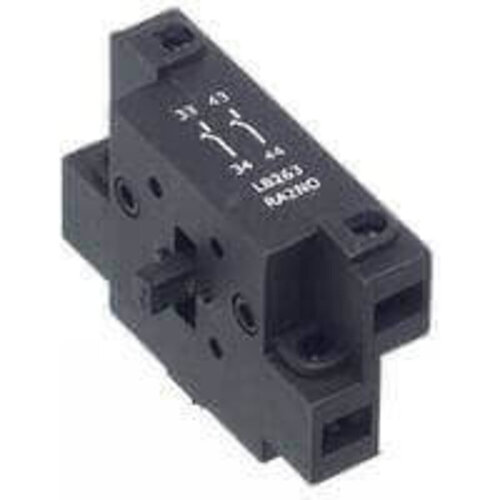
Ali Industries Volt Free Contact Aux Switch - 20A - 63A, 2N/O
Auxiliary switch with 2 normally open contacts, 20A to 63A
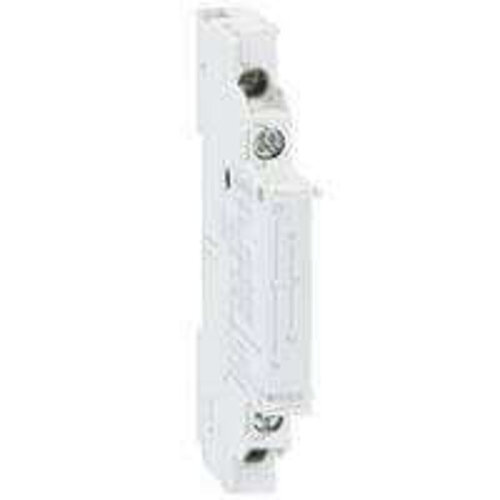
Lovato Side Mount Auxiliary Contact - 1NO/1NC 690V
Side mount auxiliary contact, 1NO/1NC, 690V.
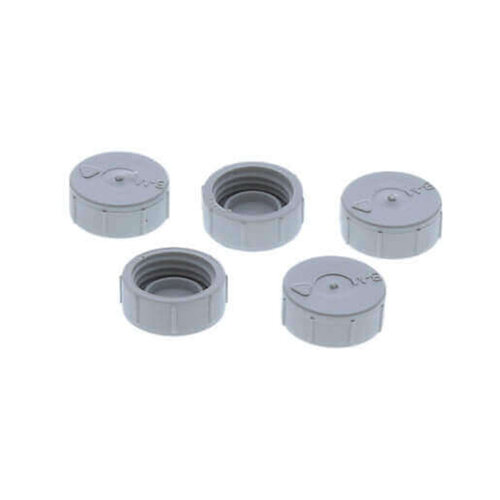
Vaillant Test Point Cap
Vaillant light grey female threaded test point cap, pack of 5.
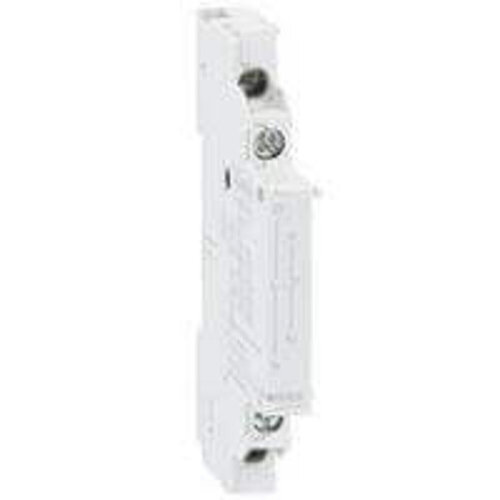
Lovato Side Mount Auxiliary Contact - 2NO 690V
Lovato side mount auxiliary contact, 2NO, 690V
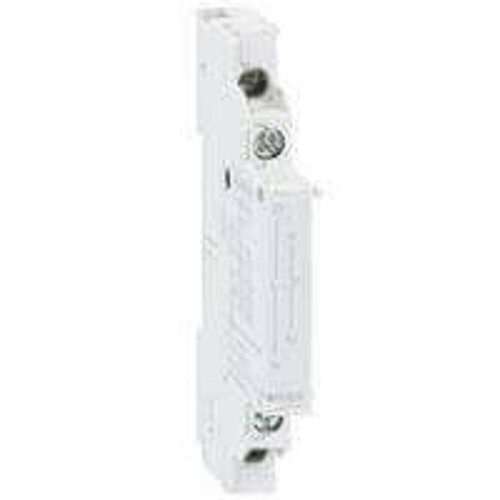
Lovato Side Mount Auxiliary Contact - 2NC 690V
Side mount auxiliary contact, 2NC, rated 690 volts.
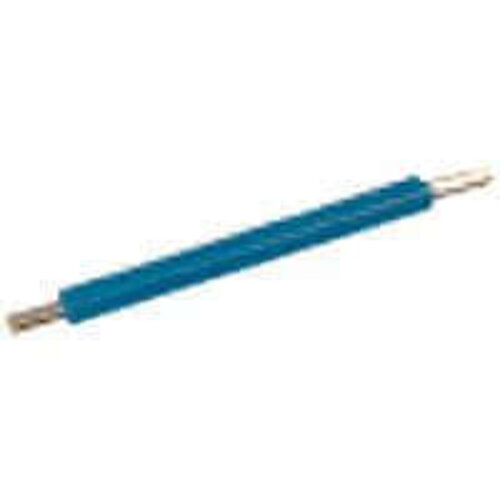
Hager Insulated Flexible Links - 300mm 100A Blue
Insulated flexible link, 300mm, 100A, for terminal bar connections
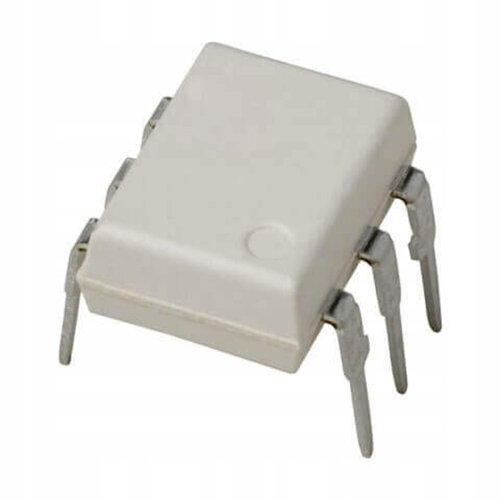
ON Semiconductor MOC3021 Optotriac - 15mA 400V DIP6
Optotriac 15mA 400V DIP6 without zero-crossing
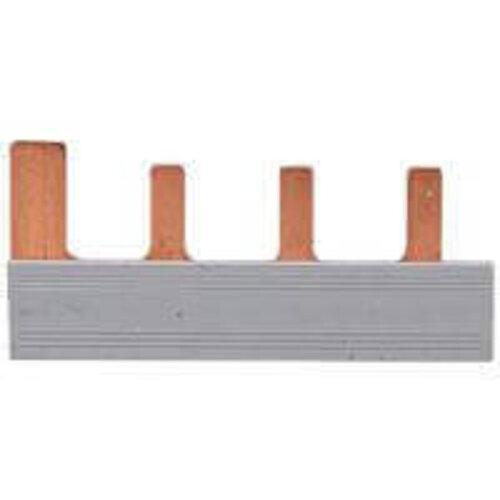
Eris Consumer 4 Pin Busbar with Cover
4-pin busbar with cover, 60.4mm length
For the Trade
Start with the space you’ve got and how the job will be used. That usually rules out half the options before you look at finishes or extras. Tight access, an awkward layout, or a part that has to sit in a fixed position will push you towards one set of components. A more open job gives you more room to choose on convenience and cost. Most of the time, the call is fit first, then how much adjustment you need, then whether the replacement has to match the existing mechanical components exactly or just get the repair moving. That’s what saves you a return visit.
Popular Component Formats
For components, start with how exact the fit needs to be. Engine components suit repairs where the match has to be exact and there is no room for guesswork.
Broader automotive components or vehicle components make more sense when you need a workable replacement without paying for the tightest match. They are less specific, but that can keep the job moving.
Trade components and mechanical components are the better call for general repair work or keeping a van on the road. You give up some precision, but that is the trade-off. If you are working from Mechanic's Tools, the format and fit decide it, not the label on the box.
Key Differences When Choosing
Fit and tolerance are usually the first things to check. Parts that look close enough on paper can still waste time if the job is awkward or the old part is worn.
For a tighter match, choose the more specific option. It suits jobs where the fit has to be right first time. The trade-off is less flexibility if the part varies.
For general repair work, broader component parts are easier to handle and less fussy at the counter. You give up some precision, but you gain speed when the job is straightforward.
If the repair moves into powered work, look at Air Compressors and Air Tools next. They change the components you need around the job.
Next Decisions After Choosing
Once you’ve picked the right components, the next call is usually what else has to go around them. If the job needs panels, screens or storage, sort those before you sign it off. They often decide access and how much room you’ve got to work with.
On a lot of repairs, it’s the small stuff that holds the job up - missing component parts, the wrong fixings, or a finish that doesn’t match what’s already there. Keep air compressors and air tools separate unless the repair actually needs powered kit rather than replacement components.
Related searches
Local availability for Components



