Smart Home Kits
Smart home kits are often the cleanest buy when you want one system to cover the job without piecing it together from separate parts. The main choice is whether you need a hub-led smart home system for broader control, or a simpler smart home starter kit that keeps the first install lean. The hub kit gives you more room to expand. A smaller bundle is easier to price and hand over. If you’re only covering one function, a single home automation kit can be enough. Once you’re mixing devices, compatibility and app control usually decide it.
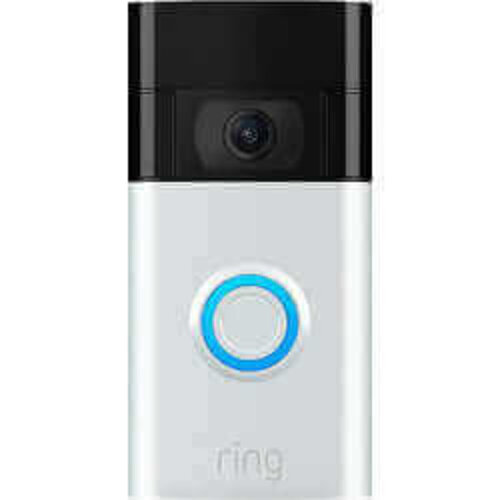
Ring Video Doorbell 1 2nd Gen - Satin Nickel
Smart doorbell with HD video, night vision, and two-way talk, satin nickel.
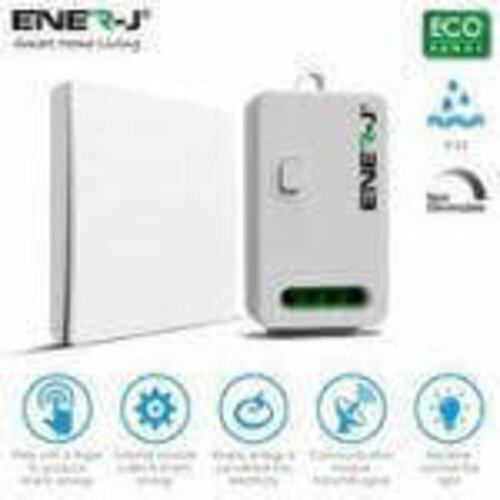
Ener-J 1 Gang Wireless Kinetic Switch and RF Receiver Bundle Kit - Non dimmable …
Self-powered 1 gang kinetic switch with Wi-Fi receiver, IP56, no batteries neede…
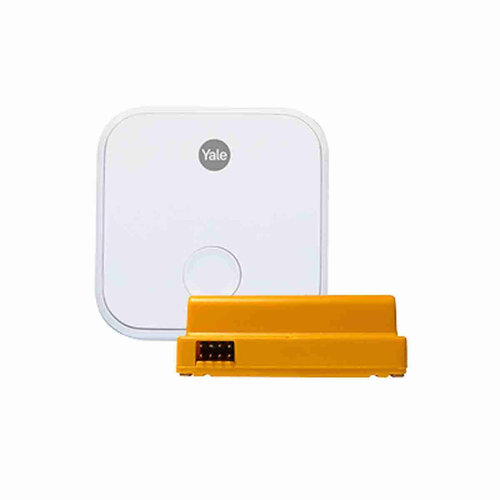
Yale Access Connect Kit
White Yale Access Connect Kit, 2-year guarantee, self-assembly required
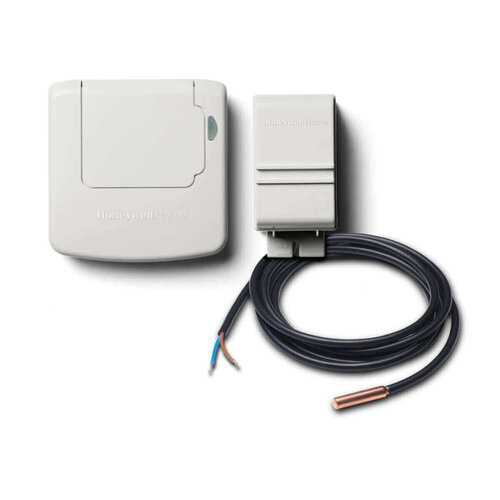
Honeywell Home Evohome Hot Water Kit
Wireless hot water kit with cylinder thermostat and relay box
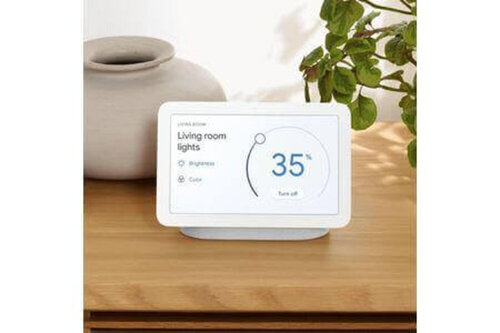
Google Nest Hub 2nd Gen - Chalk
Smart display with 7-inch touchscreen and hands-free Google Assistant
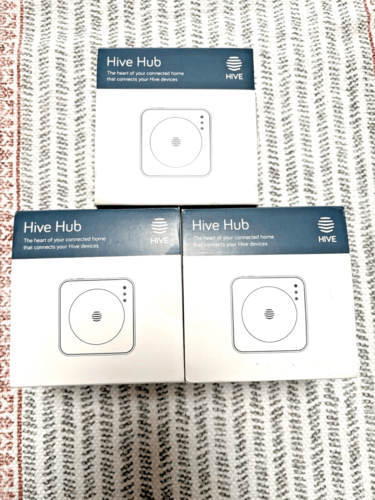
British Gas Hive Hub Nano 2.5 - White
White Hive Hub Nano 2.5 for remote control of smart home devices
For the Trade
Start with the space you’ve got and how the kit will be used, then work back from there. On a tight layout, a smart home starter kit keeps the parts count down and avoids awkward extras. On a bigger job, a home automation kit with room to add devices later usually saves you replacing the lot. The smart home system you pick should match the job you’re handing over, because the wrong mix of hub, sensors and controls is what causes callbacks. Finish and accessories come after that, not before.
Smart Home Kit Options Compared
A smart home starter kit suits a smaller or more straightforward install. You get the core parts without paying for extras you may not use.
A fuller home automation kit makes more sense when you need a broader setup from day one. The trade-off is less flexibility if the spec changes later.
A smart home system fits jobs where the end point is already clear and you want everything under one scheme. If you are still working back from the wider range, Smart Homes is the place to check.
Choosing Materials and Size
When you’re choosing smart home kits, start with how much of the job you want covered in one box and how much you’re happy to add later.
A smart home starter kit suits a smaller spec or a first phase. It keeps the parts count down. A broader home automation kit works better when the controls, sensors and hub need to work together from day one.
If the job is mainly heating control, look at Smart Heating. If it’s more about switching, relays or other controls, Smart Electrical is where the money usually goes further.
Completing the Setup
Once the main kit is picked, the next call is what else has to sit around it on the job. If you are tying in controls, screens or a panel, make sure the kit leaves room for the extra devices rather than forcing a second round of parts.
Storage and finish items matter too. A neat install is often the difference between a clean handover and a call back to sort loose ends. Where the spec is already moving into smart electrical or smart heating, check the rest of the scheme before you commit to the smart home kits.
Related searches
Local availability for Smart Home Kits




