Shower Seats
You’re usually choosing shower seats on three things first: the support needed, the space available, and whether the seat has to stay out of the way when not in use. Folding wall mounted shower seats suit tighter enclosures because they clear the floor. A fixed shower bench gives a steadier feel where there’s room for it. Plastic models are easier to keep clean and handle. Wooden versions still come up on jobs where the spec calls for a warmer finish.
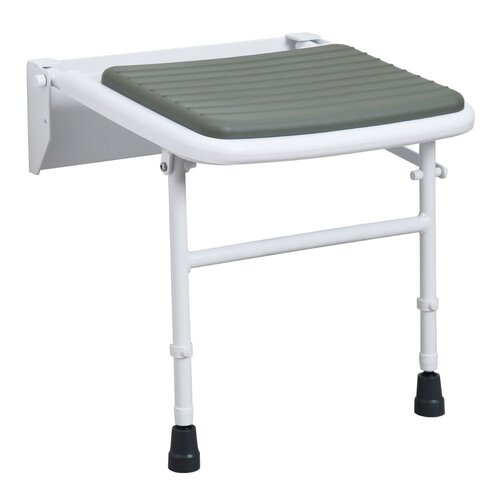
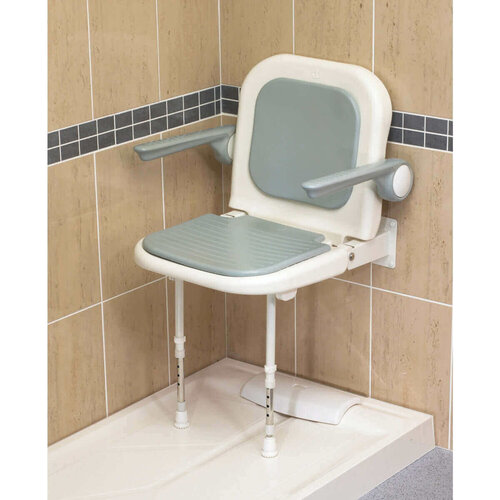
AKW Advanced Wall Mounted Fold Up Moulded Shower Seat - Grey
Grey wall-mounted fold-up shower seat, supports up to 40 stone
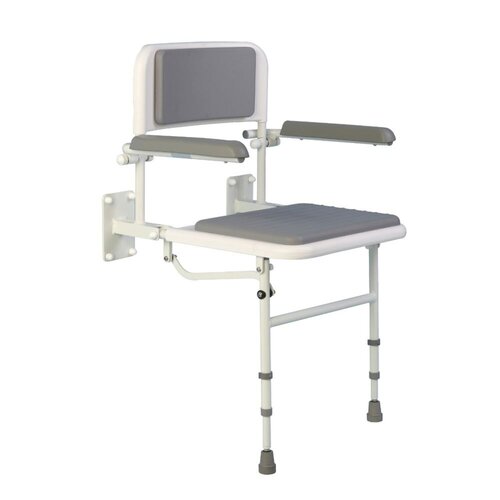
Bathex Compact Padded Shower Seat with Arms & Backrest
Compact padded shower seat with arms and backrest
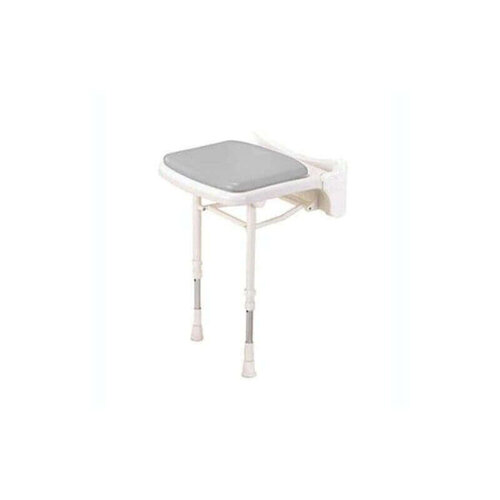
AKW 2000 Series Fold Up Seat - Grey Pad
Fold-up shower seat with grey pad, rust-proof aluminium
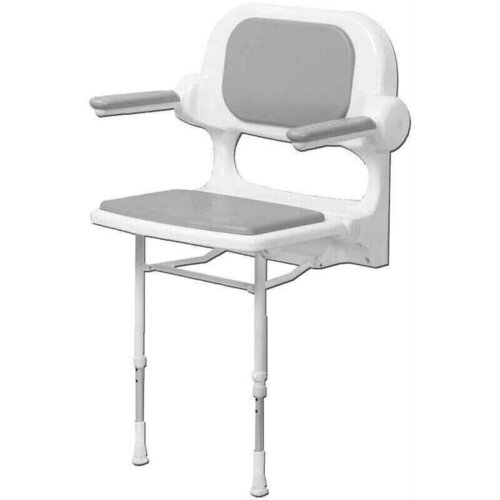
AKW Fold Up Padded Shower Seat with Back & Arms - Grey
Fold-up padded shower seat with back and arms, BS EN 12727 tested, grey
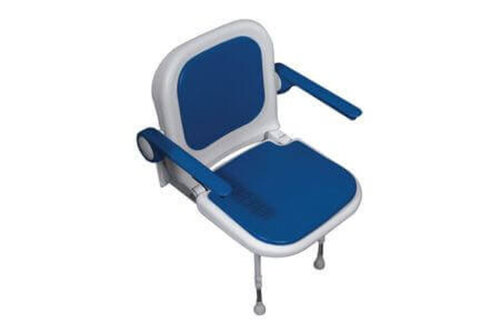
AKW Wall Mounted Fold Down Shower Seat & Back & Arms
Wall-mounted fold-down shower seat with backrest and padded arms
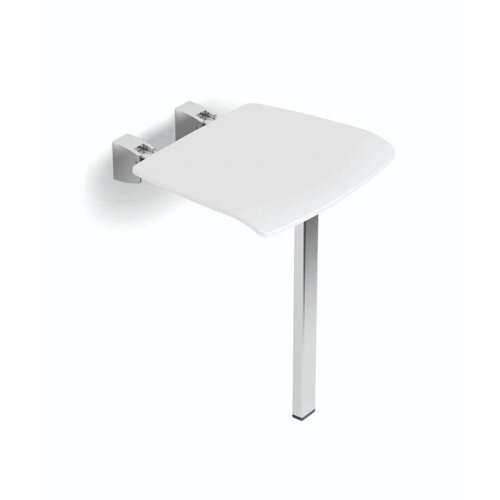
HiB Shower Seat with Support Leg - White
Foldable shower seat with support leg, supports up to 23 stone, white finish.
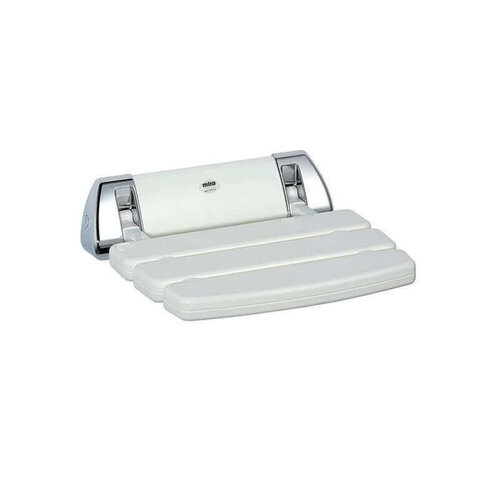
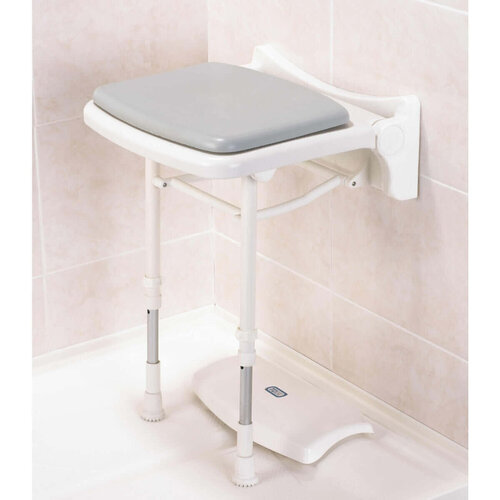
AKW 2000 Series Compact Fold Up Shower Seat & Pad - Grey
Compact fold-up aluminium shower seat with grey cushion, supports up to 158kg
For the Trade
The first call is how much room you’ve got, and whether the seat needs to stay out of the way between uses. In a tight enclosure, wall mounted shower seats usually make more sense because they keep the floor clear. A shower bench or shower chair suits jobs where the user needs a steadier perch and there’s space to leave it in place. After that, it comes down to support and handling. Some jobs need a lighter, simpler seat. Others call for a more substantial setup. The call-back jobs are usually the ones where the seat does not suit the layout or the user’s balance.
Popular Shower Seat Formats
Start with the layout, not the label. Folding and wall mounted shower seats are the usual call where the room has to do double duty. They keep the floor clearer and suit a shower bath in a compact room. The catch is that the screen and bath shape need to work together, or you box yourself in.
Height adjustable seats come into play when you need to set the user’s position more carefully. A shower seat with back support or a shower bench gives a steadier feel when you want more support and less movement. For Assisted Living, that usually narrows the range quickly.
Key Differences When Choosing
Material is usually the first call. Plastic shower seats are the common pick when you want something light to handle and easy to wipe down. They suit wet use well, but they can feel less substantial than a timber or metal-framed option.
Wooden shower seats are often chosen when the spec needs a firmer look. They need more care, and they are not the lightest fit. If the seat has to stay clear between uses, wall mounted shower seats make more sense than a loose shower chair. You lose some flexibility, though.
If the brief also runs into Accessible Basins or Back Rests, keep the support package consistent rather than mixing styles.
Next Decisions After Choosing
Once you’ve settled the seat, the next call is what the shower area needs around it.
If the enclosure is tight, a folding seat keeps the space usable between visits. If the brief needs a steadier perch, a shower bench or shower chair usually goes in with the rest of the support package.
That’s where the surrounding finishes matter. Screens, wall panels and storage need to leave enough clear working room, and a seat that clashes with the layout is the one that gets changed on site.
Related searches
Local availability for Shower Seats

