Splashbacks
Choose splashbacks by where they’re going and what takes the most abuse. Behind a hob, you’ll usually want a tougher, heat-tolerant face. At the sink, easy cleaning and fewer joints matter more. Glass gives a cleaner finish, acrylic is lighter to handle, and stainless steel suits jobs where knocks and heat are the main concern. Tile splashbacks still make sense if the rest of the kitchen is already going that way, but they bring more grout to maintain.
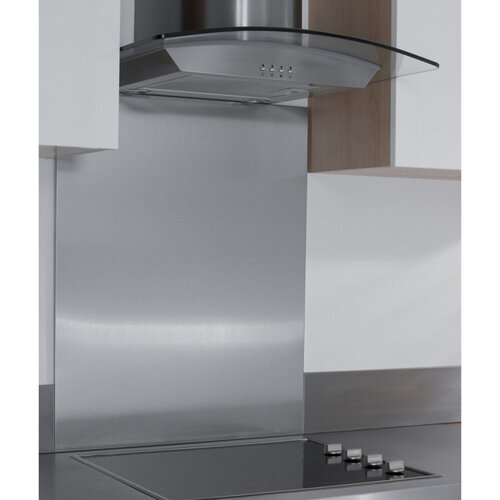
Hafele Stainless Steel Splashback - 750 x 599mm
Stainless steel splashback 750 x 599mm with brushed finish
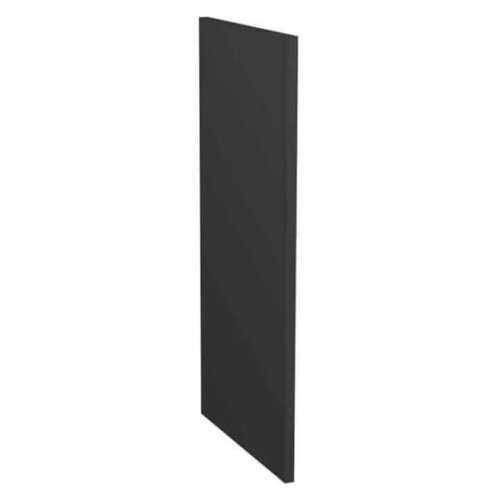
Capri Wall Clad Panel - 748mm x 350mm x 16mm Dark Grey
Dark grey wall clad panel, 748mm x 350mm x 16mm
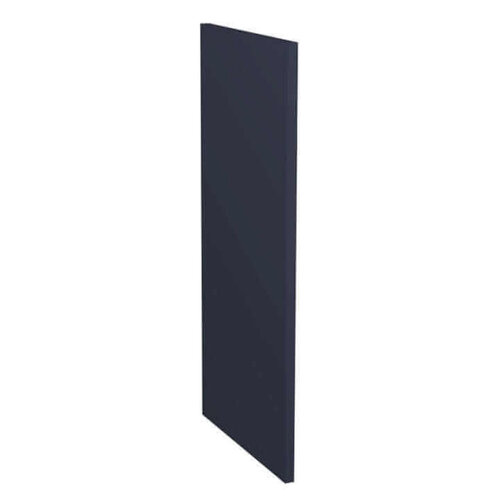
Verona Wall Clad Panel - 748mm x 350mm x 16mm Navy
Navy wall clad panel 748mm x 350mm for kitchen splashbacks
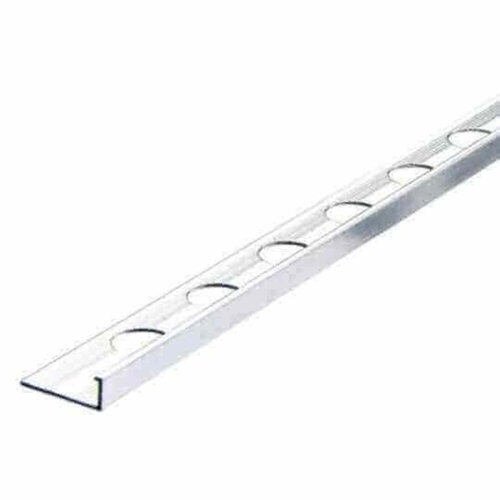
L Shape - 12mm Stainless Steel Effect
Stainless steel effect L-shaped trim for tile edges, 12mm x 2.44m, anodised
For the Trade
Start with the fixing and the finish you need, then work back from the job. If the wall takes daily wear, a harder-faced splashback usually cuts down call-backs. If the run is awkward or the programme is tight, panels are often the pick because they cover more wall with fewer joints. Tile splashbacks still get specified where the rest of the kitchen is already tiled, but they bring more labour and more edges to keep straight. Printed splashbacks and mirror finishes are more about the look, so you only go there when the client will accept more care on marking and cleaning.
Types of Splashbacks
Glass splashbacks suit runs where you want a flat finish and fewer joints to catch muck. They need more care on handling and templating.
Printed splashbacks work when the client wants a feature without going into tiles. The result depends on the image and the room around it.
Mirror splashbacks can help in tighter kitchens, but they show marks quicker. They are not the first pick for heavy-use runs.
Coloured splashbacks are the straightforward all-rounder when you want a simple match to the scheme. If you are comparing the full range under Kitchens, that is usually where the job gets narrowed down fast.
Selection Factors for Splashbacks
Acrylic splashbacks are the one you usually pick when handling matters most on the day. They’re lighter to get up and fix, so they make more sense on awkward access or when you’re working alone.
Stainless steel splashbacks suit a tougher daily-use spec. You get a firmer face, but they’re heavier to move, so they’re less forgiving on tight installs.
Material choice changes both the job in your hands and the finish the client lives with. Don’t treat them as the same buy. If you’re ordering the rest of the kitchen at the same time, Kitchen Accessories and Kitchen Sink Waste Strainers are usually the next bits to sort.
Finish the Room
Once the splashbacks are chosen, the next call is usually what sits around them. If the run stops short or the wall is not worth chasing, kitchen wall panels or cladding can give you a cleaner line than patching tiles back in.
Where the sink area is being finished at the same time, check the surrounding pieces too. A mismatched sink splashback or waste detail can make the job look pieced together. If the spec already includes kitchen accessories or storage, keep the wall finish simple so you are not fighting too many visual breaks.
Related searches
Local availability for Splashbacks



