Safety Lock Offs
Safety lock offs come down to what you’re isolating and how often it needs to stay secured. A simple lock off device is usually enough for a one-off job where you just need to stop re-energising. Lock off padlocks and tags make more sense when more than one person is involved and you need clear control of who’s taken it off. Check the format first. The wrong shape for the breaker or switchgear in front of you will slow the job down.
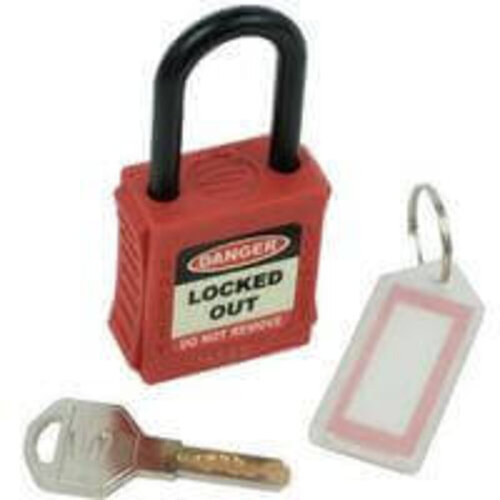
Ali Industries Dielectric Safety Lockout Padlock - Non conductive
Compact non-conductive safety padlock with hardened nylon shackle.
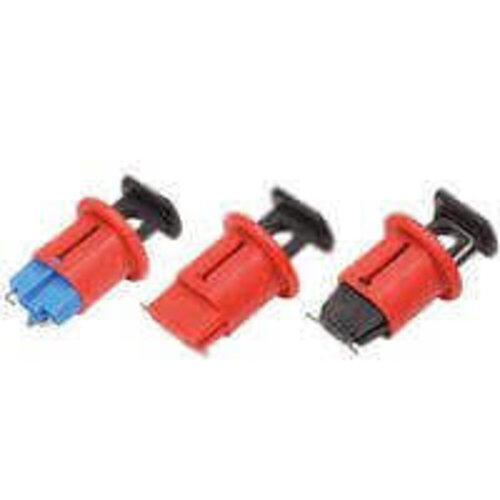
Eris Miniature Circuit Breaker Lockout Pack, Standard Pin In / Out, Wide Pin Out - 3 Pack
3-piece circuit breaker lockout set for secure isolation during maintenance
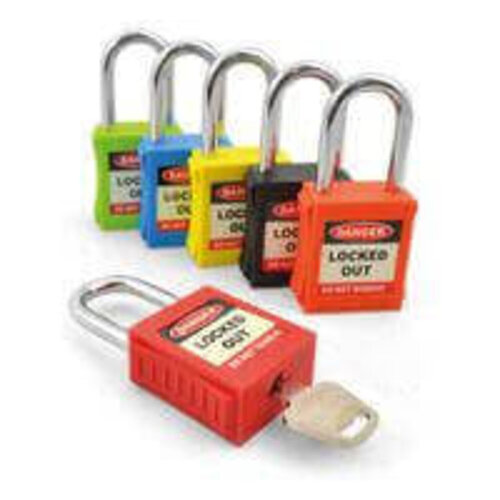
ALI Industries Safety Lockout Padlock - Yellow
Yellow safety lockout padlock with 6-pin cylinder, key retaining, and luminescen…
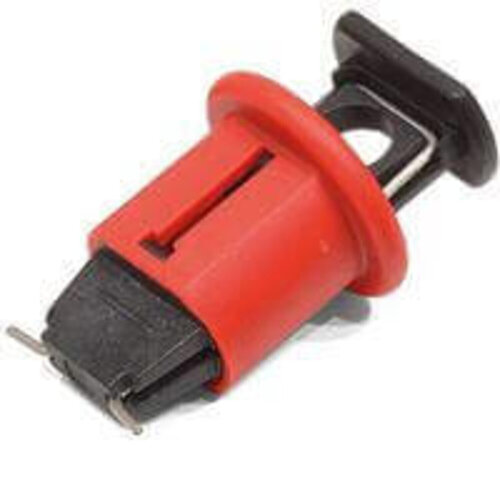
ALI Industries Miniature Circuit Breaker Lockout Pin Out Standard
Miniature circuit breaker lockout for breakers up to 60A
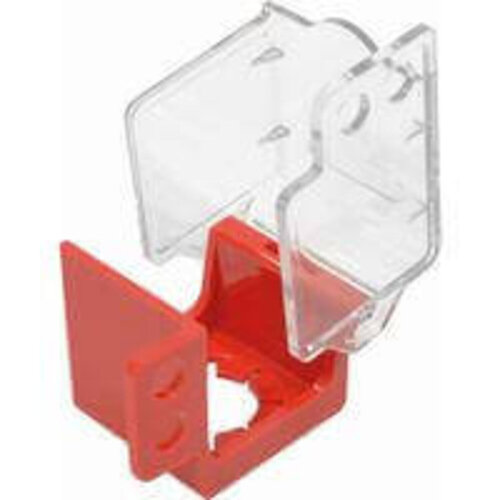
ALI Industries Emergency Stop Lockout - 22mm - 30mm red
Red emergency stop lockout for 22-30mm button stems, holds 2 padlocks
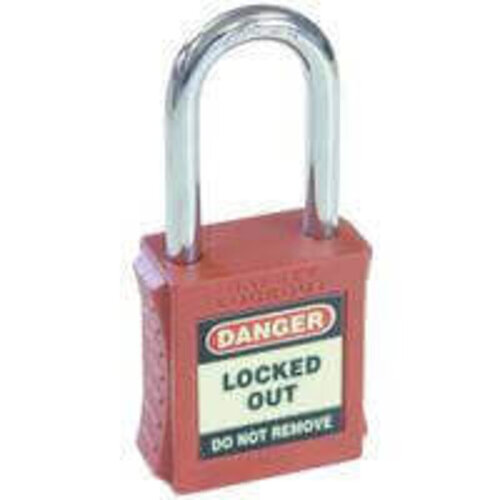
ALI Industries Safety Lockout Padlocks - Red
Red lockout padlock, individually keyed, with photo-luminescent label
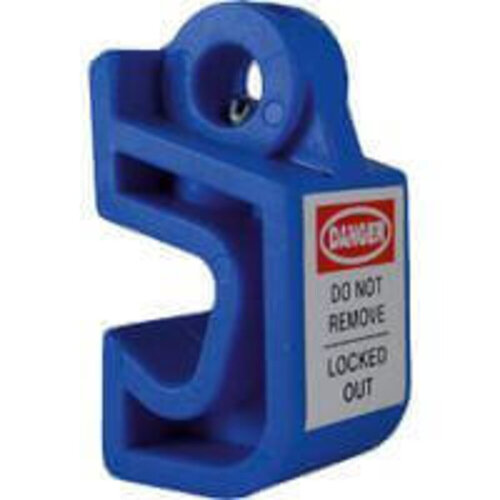
ALI Industries Miniature Circuit Breaker Lockout Universal
ALI Industries universal MCB lockout with grub screw
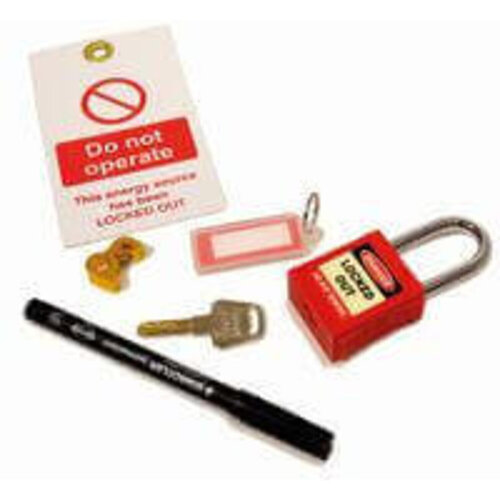
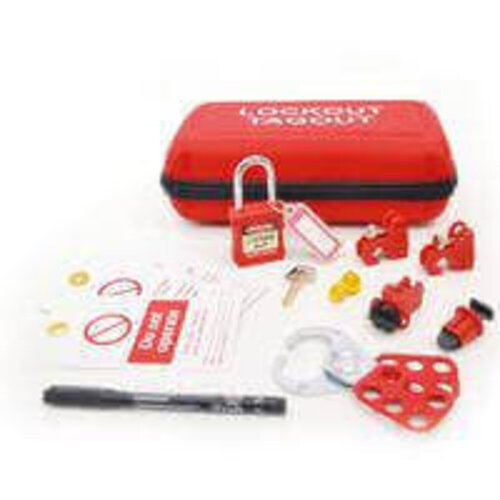
ALI Industries Miniature Circuit Breaker Lockout Blister Kit - Includes lockout padlock, lockout toggle, label, pen
Miniature circuit breaker lockout kit with padlock, toggle, label and pen
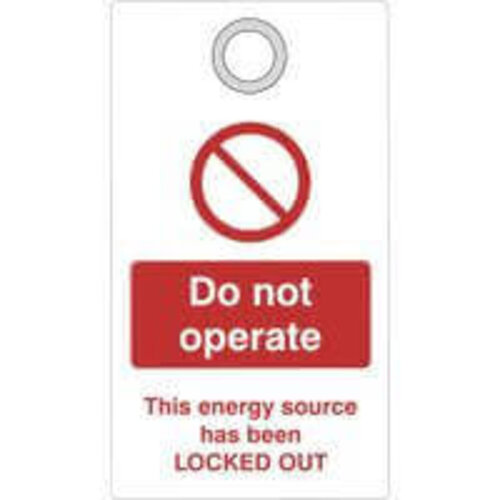
Ali Industries Lockout Tag with Eyelet - Do Not Operate (Double Sided)
Double-sided lockout tag 'Do Not Operate', 75mm x 135mm, eyelet.
For the Trade
Start with the space you’ve got and how long it needs to stay secured. That usually decides the right safety lock offs before you look at anything else. If access is tight or the point gets moved around, a compact option sits better and is less likely to get knocked off. Where the job stays in place and others need to see it’s been isolated, lock off padlocks and tags are the cleaner call. The usual mistake is buying for the fitting rather than the use. The kit looks right, then it gets in the way on site.
Popular Safety Lock Off Formats
For most jobs, you’re choosing between a simple lock off device, a lockable safety switch, or a breaker-based option.
A basic lock off is the quickest answer when you need to secure one point and move on. It depends on the right fit, and it can be awkward on older boards.
Lockable safety switches suit a more permanent setup where the switch itself needs to stay controlled. Lock off circuit breakers tie the protection directly to the breaker, so they make sense when you want control at source.
Tags and lock off padlocks come in when more than one person needs to see what’s been isolated. They add clarity, but they also mean more kit to manage.
If you’re matching the rest of the board work, check the parent Power Distribution & Circuit Protection range before you settle on the format.
Key Differences When Choosing
What usually decides it is the point you’re isolating and how permanent the arrangement needs to be. For a one-off restraint, a simple safety lock offs setup is usually enough. If the point gets used again and again, a more fixed arrangement saves faffing later.
Check the body size and fixing method as well. A poor fit is what causes call-backs. Where the job is tied into a board, Consumer Unit Accessories are often bought at the same time. For a larger supply, 3 Phase Distribution is the other place to look, since the lock-off choice changes with the kit around it.
Next Decisions After Choosing
Once you’ve picked the right safety lock offs, the next call is what sits around them on the job. If you’re building out a panel or enclosure, sort the matching accessories at the same time rather than coming back for bits later.
On bigger installs, that often means moving on to the surrounding distribution gear. Smaller jobs may only need the right consumer unit accessories to keep the isolation point tidy and obvious. Leaving the lock off in place but not finishing the rest of the assembly is where delays start.
Local availability for Safety Lock Offs