Work Joggers
If you’re choosing work joggers, start with how hard they’ll be worked and how much movement you need. Lighter pairs suit warmer days and quicker jobs, while stretch versions work better if you’re crouching, climbing or in and out of the van all day. If pockets matter, check the layout before you buy. Some are cut more like casual joggers, while others carry tools better, but tougher fabric and extra storage usually add a bit of weight.
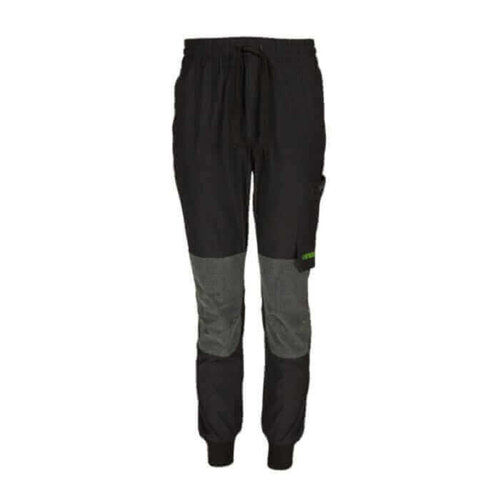
Apache Watson 4 Way Stretch Joggers - Black/Grey X Large
Black/Grey slim-fit work joggers, size X Large, four-way stretch
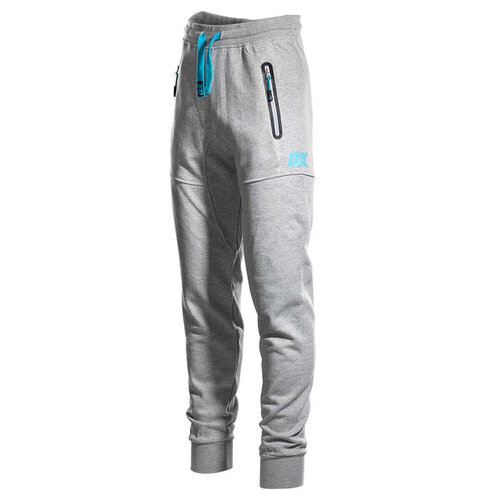
OX Tools Adult Unisex Jogger Pants - 40" Grey
Warm unisex joggers with comfort stretch crotch panel, grey, 40"
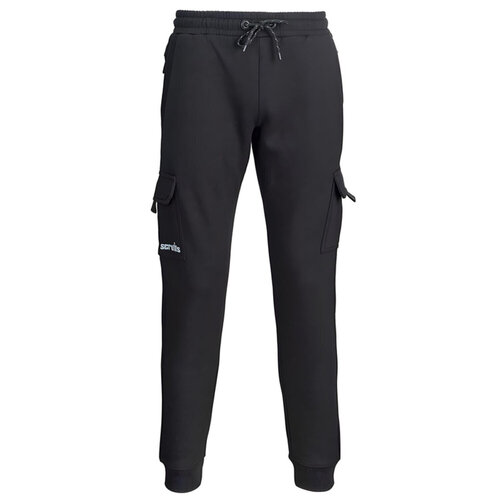
Scruffs Slim Fit Joggers - Black Medium
Slim fit black mens joggers with breathable fabric and multiple pockets
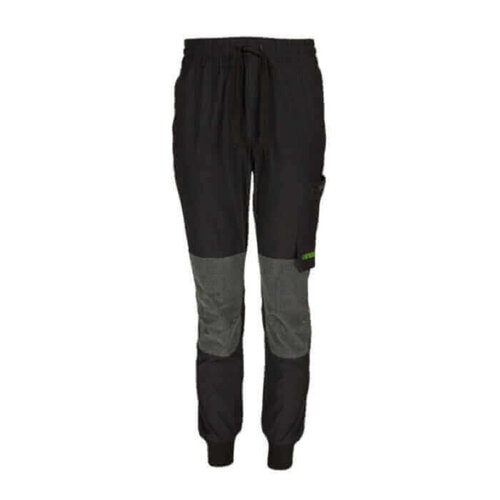
Apache Watson 4 Way Stretch Joggers - Black/Grey Medium
Black/Grey slim-fit work joggers, size Medium, four-way stretch
OX Tools Joggers - 34 regular black
Black size 34R work joggers with heavy-duty brushed fleece and ribbed fit
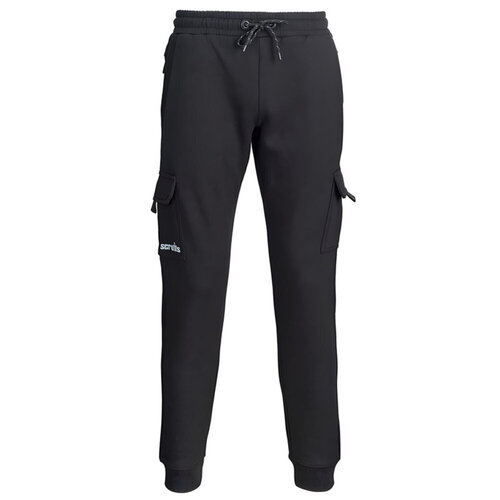
Scruffs Slim Fit Joggers - Black Large
Slim fit black men's joggers with breathable fabric and flexible waistband
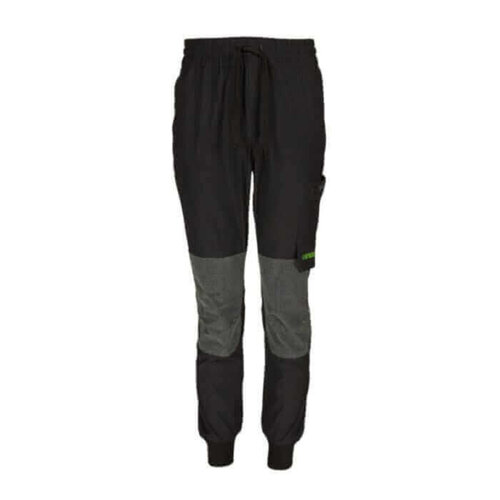
Apache Watson 4 Way Stretch Joggers - Black/Grey XX Large
Black/Grey slim-fit work joggers, size XX Large, four-way stretch
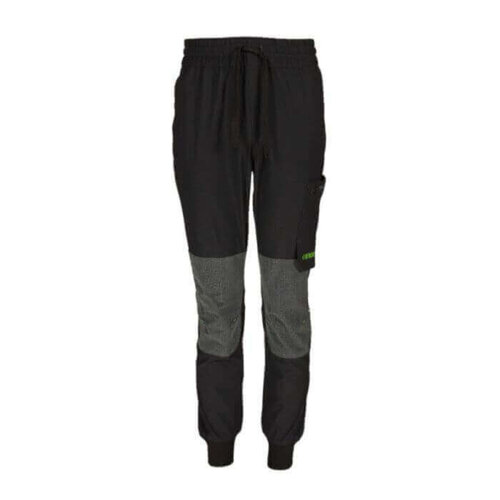
Apache Watson 4 Way Stretch Joggers - Black/Grey Large
Black/Grey slim-fit work joggers, size Large, four-way stretch
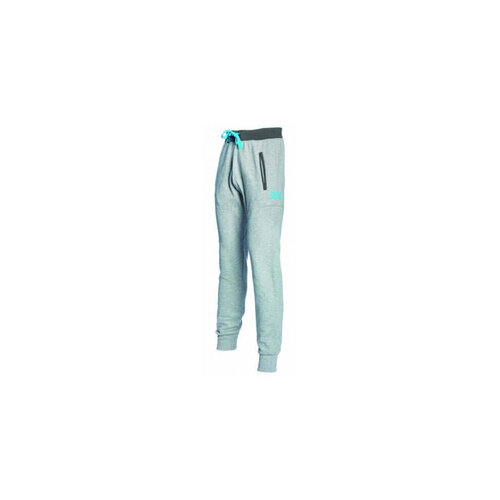
OX Tools Joggers - 34 Regular Grey
Heavy-duty brushed back fleece joggers in grey, size 34 Regular
For the Trade
Start with how you’ll be working and how much room you need, because that usually settles the cut first. Work joggers that sit close and move well are fine when you’re in and out of vans, kneeling, or climbing ladders all day. If you carry tools or wear pads underneath, a roomier pair can be less fussy. Then look at pocket layout and fabric weight. Lighter joggers are easier on long shifts. Heavier ones tend to take more punishment at the knees and hems.
Work Jogger Options Compared
Lightweight work joggers suit jobs where you want less bulk through the leg and more give, but you give up some abrasion resistance.
Heavy duty work joggers are the pick when your trousers take more punishment on rougher jobs. They bring a tougher face, though they can feel less easy-going over a long shift.
Trade work joggers sit in the middle for most day-to-day site work. You get enough movement for kneeling and climbing without feeling like leisurewear.
If you need a closer cut, men's work joggers and women's work joggers help with fit. Comfortable work joggers are the pair people keep reaching for when comfort matters as much as durability. If you’re comparing them against the rest of Workwear, that usually narrows the choice fast.
Choosing Materials and Size
When you’re choosing work joggers, start with the fabric and pocket layout, not the label. A lighter pair is easier through a long shift, but you usually give up some abrasion resistance, so it is not the one for rougher daily punishment.
If you carry tools, fixings or a phone all day, go for cargo work joggers or work joggers with pockets. The extra storage helps, but it can add bulk at the thigh. Men’s work joggers and women’s work joggers are worth splitting when fit is the issue, because a poor rise or leg shape is what usually leaves a pair in the van.
For kit that sits alongside them, Workwear Accessories is where you’d look next. If you need full-body coverage instead, Boiler Suits & Coveralls is the route to take.
Completing the Setup
Once you’ve settled on work joggers, the next call is what else has to work around them on site. A pair with decent pocketing saves you reaching for separate storage, but it won’t replace proper kit if you’re carrying fixings, blades or test gear all day.
Where the job is wetter or dirtier, you’ll usually want to look at waterproof workwear rather than expecting joggers to do that job. For colder starts, heated workwear or a body warmer makes more sense than overloading the trousers. Boiler suits & coveralls come in when you need full coverage instead of a separate top and bottom.
Related searches
Local availability for Work Joggers