Doorbells
Doorbells usually come down to how the property is wired and how much flexibility you need on the day. Wireless doorbells suit quick swaps and awkward runs, while plug in and mains powered options make more sense where you want a fixed chime and no battery call-backs. Battery doorbells can save time where the push is exposed or the run is awkward, but you give up a bit of permanence. Smart doorbells sit in a different bracket again, so only go there when the job needs app control as well as a standard ring.
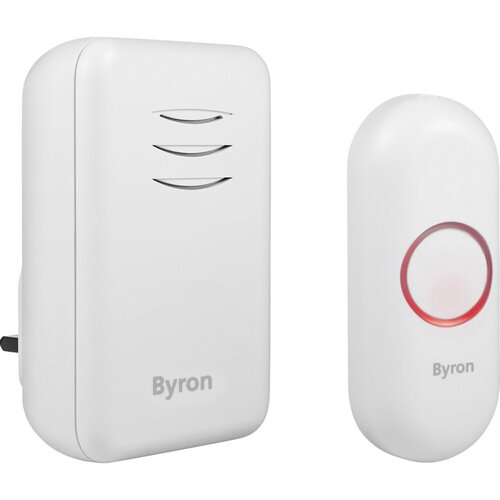
Byron Wireless Doorbell Set - Plug-in
Plug-in wireless door chime set with 16 melodies and 150m range
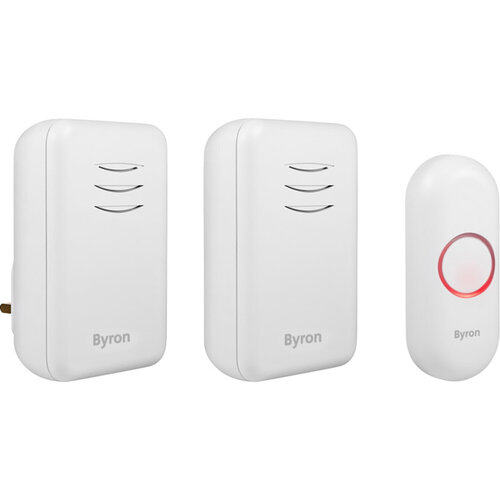
Byron Wireless Doorbell Set - Twin Pack
Twin pack wireless door chime set with 16 melodies and 150m range
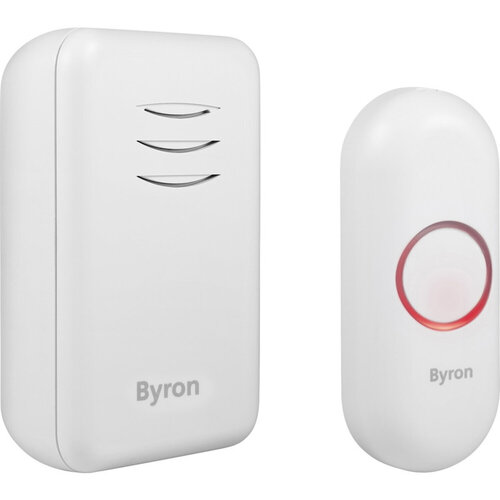
Byron Wireless Doorbell Set - Portable
Portable wireless door chime set with 16 melodies and 150m range
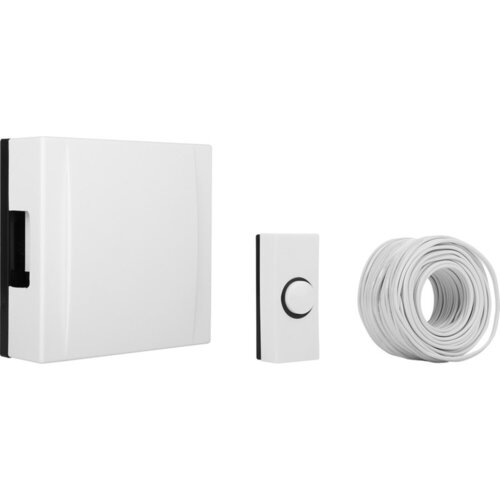
Byron 720 Wired Door Chime Kit
Wired door chime kit with traditional ding dong sound, IP44 rated, white
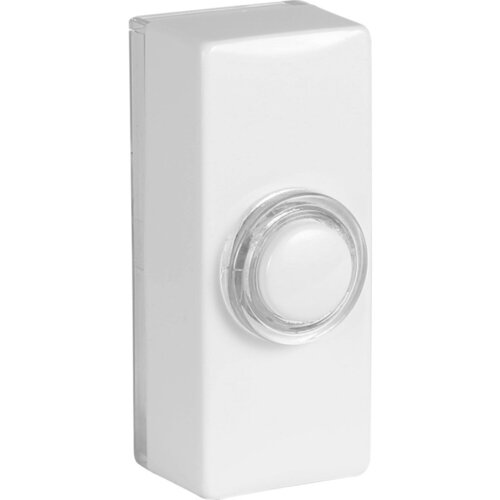
Byron Wired Bell Push - Illuminated White
Illuminated white Byron wired bell push, surface mounted, IP44
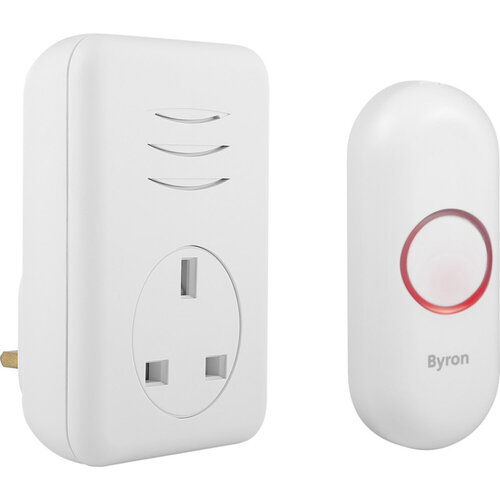
Byron Wireless Doorbell Set - Plug Through
Mains-powered wireless door chime set with 16 melodies and 150m range
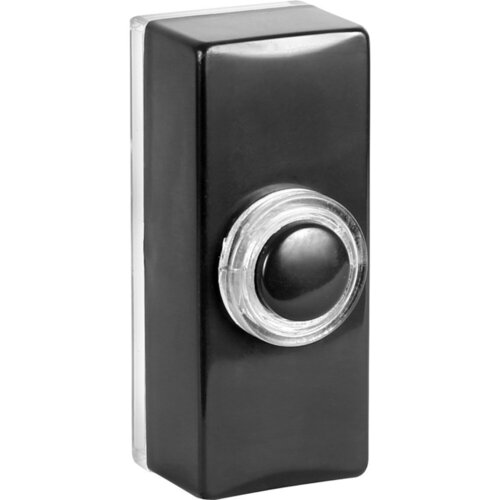
Byron Wired Bell Push - Illuminated Black
Illuminated black Byron wired bell push, surface mounted
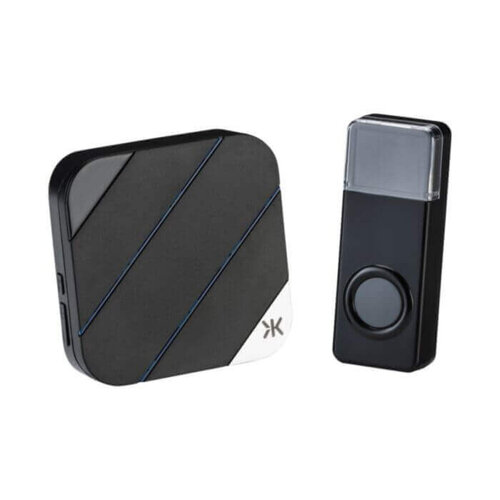
Knightsbridge Wireless Plug-in Door Chime - Black
Wireless plug-in door chime with 58 ringtones, black
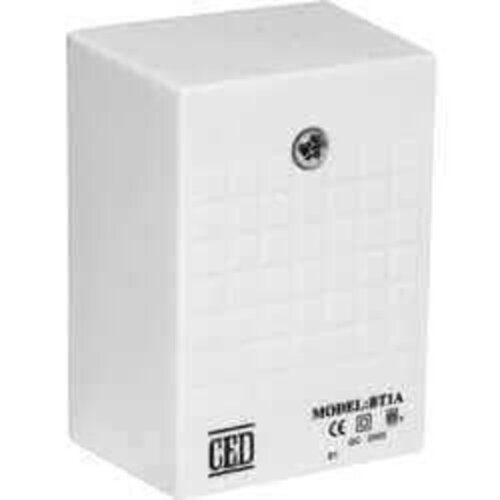
Transformer - 8V Fuse
8V doorbell transformer, double insulated, IP20, white
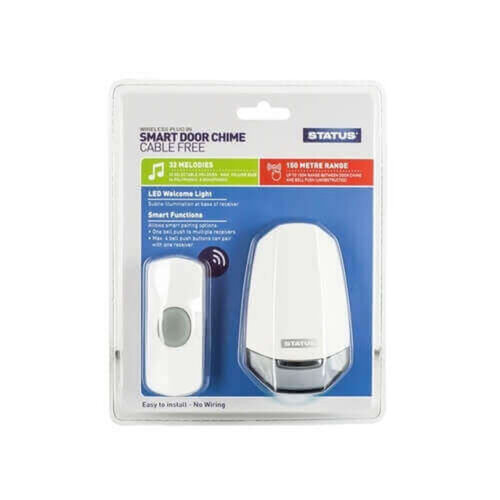
Status Door Chime Cable Free with Night Light - White
Cable-free door chime with night light, 150m range and 32 melodies.
For the Trade
Start with the space you’ve got and how the bell will be used, then the rest falls into place. If the push is a long way from the chime, wireless doorbells save you chasing cable routes. Where a fixed feed is already there, plug in or mains powered units usually give you a cleaner, more permanent fit. Battery doorbells suit exposed positions where you want to avoid extra wiring at the push. Smart doorbells only make sense when the client wants app control, not just a louder alert. Most call-backs come from picking the finish first and the layout second.
Doorbell Types and Layouts
What usually decides it is how fixed the job needs to be. Wireless doorbells suit quick replacements and awkward runs because you are not tied to a cable route. The trade-off is losing the certainty of a hard-wired feed.
Plug in doorbells sit in the middle when there is a socket nearby and you want a simple chime without opening up the wiring. Mains powered doorbells suit a permanent feed and a more fixed install. Battery doorbells still make sense on exposed pushes or where there is no sensible supply.
Smart doorbells add app control and extra features, but only take them when the job needs that. If you are working across Domestic Electricals, that is where you separate the simple swap from the more connected setup.
What to Check Before You Buy
For doorbells, start with how much is already in place and how much you are changing. If it is a like-for-like swap, keep the job simple and avoid parts that only create call-backs.
Where the feed is already there, a fixed option is usually the cleaner buy. If not, choose the version that saves time on site. When the job sits alongside Telephone Accessories, check the rest of the low-voltage setup before you order. If the spec is moving towards linked entry gear, Alarms & Sensors is the closer comparison, not a basic chime.
Useful Alongside Doorbells
Once you’ve picked the doorbells, the next call is usually the finish around the entry point and any nearby controls. A neat bell push and matching plate matter more than people think. A sloppy front door bell gets noticed straight away, and it’s the bit that takes the knocks.
If the job runs into other low-voltage kit, keep the spec consistent with the rest of the install rather than mixing parts that look similar but don’t sit well together. That is where the surrounding electricals matter. Alarms and sensors, or telephone accessories, can affect what you order next if the same area is being updated.
Related searches
Local availability for Doorbells










