Laces & Insoles
When you’re replacing shoe laces, start with length and build. Round or flat, waxed or plain, and whether you need a tougher lace for daily wear or a straight replacement. Black shoe laces are the usual default for most work footwear. Waxed shoe laces tend to hold up better where eyelets and hooks wear through softer lace. If the old pair keeps snapping, it’s usually the lace, not the boot.
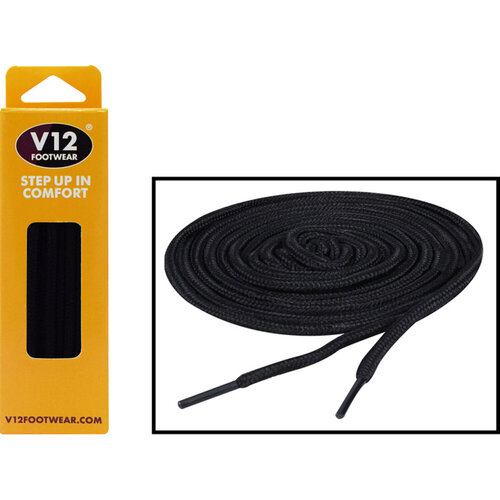
V12 Shoe Laces - Black
140cm black nylon shoe laces with nylon tips for safety footwear
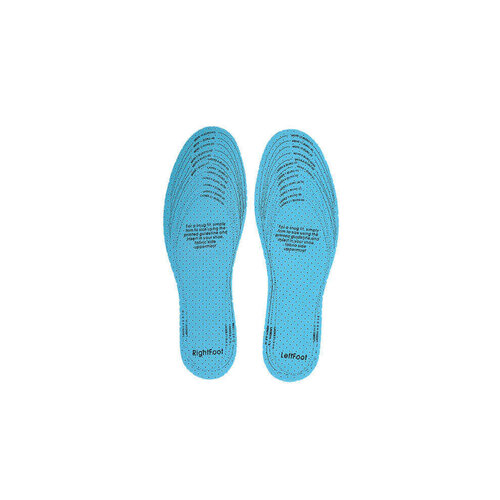
Portwest Actifresh Disposable Insole - White
Disposable antibacterial insoles with foam cushioning, cut to size for a custom …
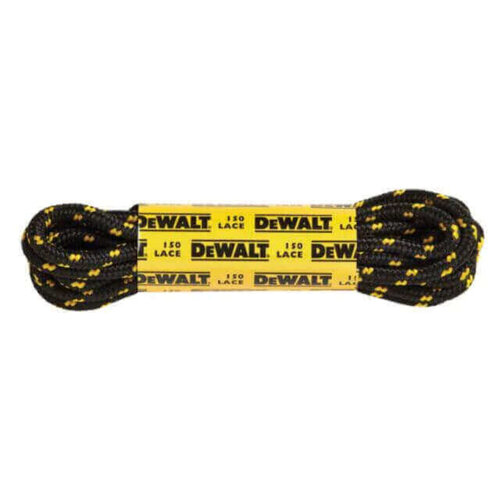
Dewalt Boots Laces Polyester / Cotton - 1 Pair
Polyester/cotton boot laces, 1500 mm length, 1 pair.
For the Trade
Start with the eyelets and how the boot gets used. That usually decides the right shoe laces before finish does. A tight eyelet run can catch on a bulky lace. A smoother lace threads easier, but it may not hold as well on a hard-working boot. The ones that come back are usually the ones that slip, fray at the bend, or are too short once the boot is fully laced. For most jobs, you are balancing hold, wear, and how often you want to replace them, not chasing a neat look.
Laces & Insole Types and Layouts
Round shoe laces give you a firmer pull through the eyelets and a bit more grip in use. That makes them a common pick for work boot laces and safety boot laces that get tightened hard through the day.
Flat shoe laces sit better on lighter footwear and spread the pressure a touch more. They are often the neater call for black shoe laces on lower-profile shoes.
Waxed shoe laces hold their knot better and resist fraying for longer. The trade-off is a stiffer feel when you are lacing and relacing all week.
If you are matching the rest of the Safety Footwear range, lace shape usually matters more than colour.
What to Check Before You Buy
What usually decides it is how hard the footwear gets used and how often you want to replace the laces. For everyday work shoe laces, a standard pair is usually enough if the boot is not getting dragged through grit all day.
Go heavier on work boot laces when the job is rough on the upper or the lace takes a lot of pull. The cheaper option tends to fray first, and that is when you get the call back. If the boot has a cleaner finish or you want less bulk through the eyelets, Metal Free Footwear can change what lace style feels right. For specialist cutting work, Chainsaw Boots usually need a tougher, more secure lace-up than a general site boot.
Useful Alongside Laces & Insoles
Once you’ve picked the footwear, the next call is what keeps it serviceable on site. Most lads only ask for shoe laces when the old pair’s snapped. In practice, match the replacement to the boot and the wear it’s taking.
Keep a few spare pairs in the van if you’re on rough ground or wet jobs. That’s when a boot is still sound, but the laces have gone. Insoles are the other one worth sorting at the same time. If the pair’s flattened or the boot’s been handed down, replacing both usually makes more sense than just chasing the lace.
Related searches
Local availability for Laces & Insoles




