Electrical Testers
Electrical testers come down to what you need to prove and how much kit you want to carry. A simple voltage tester or socket tester suits quick checks and fault-finding. A continuity tester or multifunction tester makes more sense when you need more than one test in hand. Lighter tools are quicker to grab, while fuller kits cut down on swapping gear when the job gets more involved.
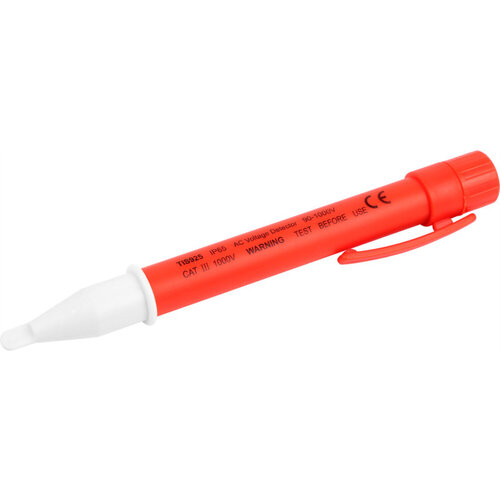
TIS Non Contact Voltage Detector
Non-contact voltage detector, automatic on/off, detects 90-1000V AC
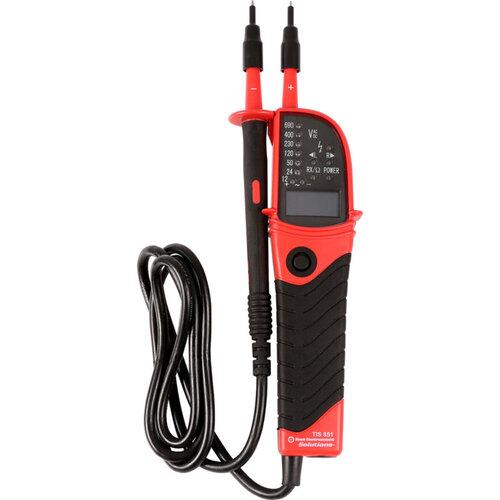
TIS 851 Voltage & Continuity Tester - Self Proving
Voltage and continuity tester with self-proving, LCD/LED, built-in torch, 690V A…
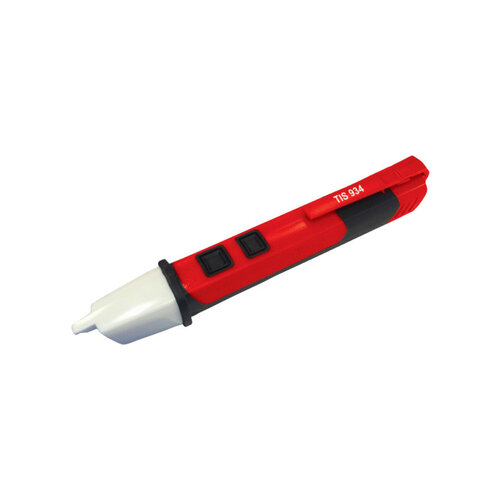
TIS Voltage Detector
Non-contact voltage detector for AC 50-1000V with audible and visual indication
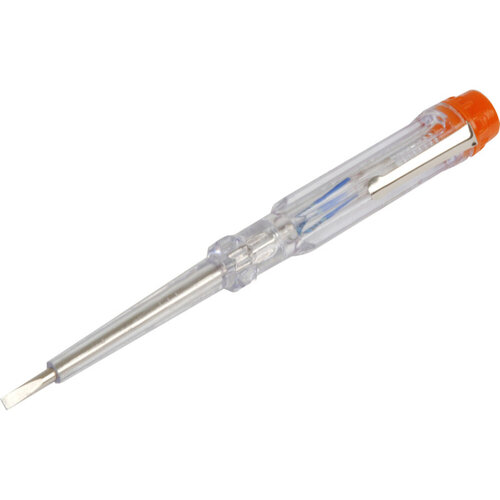
Roughneck Mains Tester Screwdriver - 140mm
140mm mains tester screwdriver for 100-250V AC/DC, GS and TUV tested
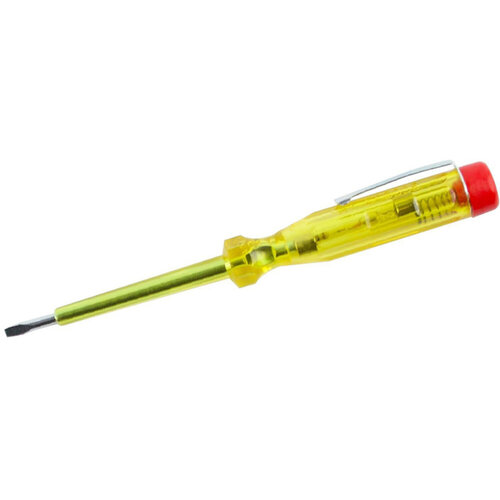
C.k Tools Main Tester Screwdriver 100-250V AC
C.K Tools mains tester screwdriver, 100-250V AC, fully insulated, VDE approved
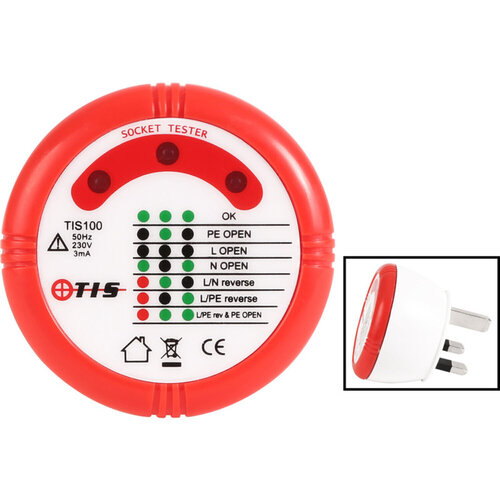
TIS Socket Tester
Compact socket tester with LED indication for 5 wiring conditions.
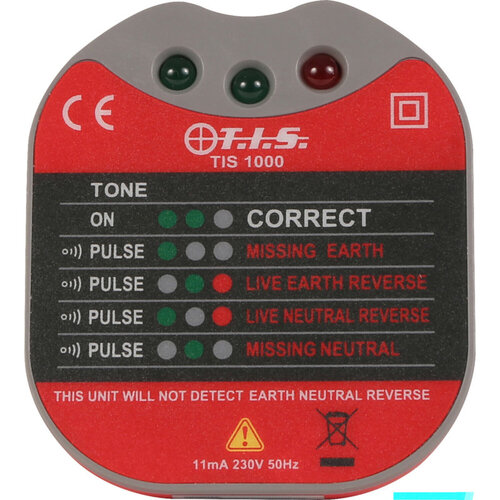
TIS 1000 Socket Tester with Buzzer
Socket tester with buzzer for 230V 13A sockets, visual and audible indication
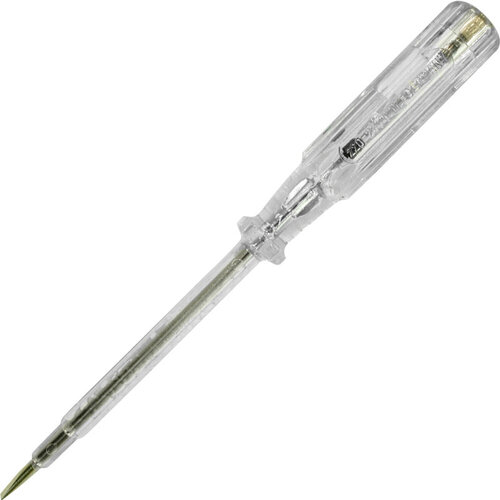
Roughneck Mains Tester Screwdriver - 190mm
190mm mains tester screwdriver for 100-250V AC/DC, GS and TUV tested
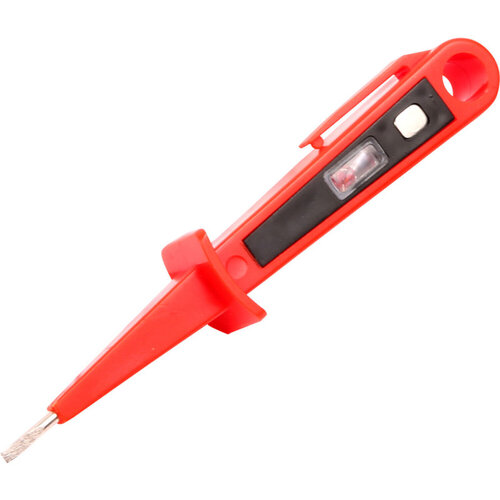
Draper Euro Mains Tester - 65mm
Mains tester, 100-250V AC, no batteries required
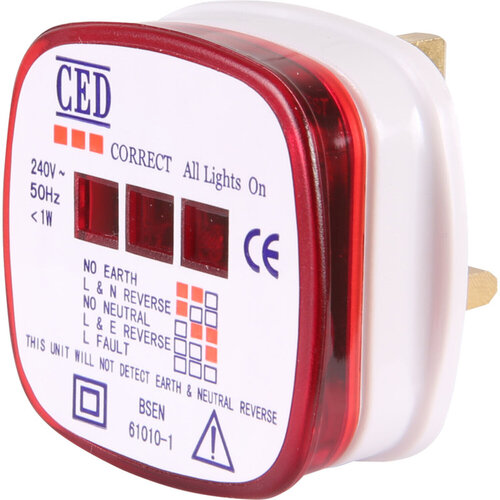
Megger Socket Tester - 13A
Plug-in 13A socket tester with LED fault detection for wiring issues
For the Trade
Start with the space you’ve got and how the kit will be used on the job, then narrow electrical testers from there. If you’re only proving live presence or checking a socket, a voltage tester or socket tester keeps things quick and light. Once you need more than that, a multifunction tester earns its keep, but it is more kit to carry and more to set up. Call-backs often start with the wrong tool being chosen for the job, not the test itself, so match the layout and the amount of checking you actually need before you buy.
Types of Electrical Testers
For trade electrical testers, the first split is usually between a simple voltage tester, a socket tester, and a multifunction tester.
A voltage tester is the quick check when you only need to confirm presence. A socket tester suits plug-in circuits when you want a fast read on wiring faults.
A multifunction tester earns its keep when the job needs more than a basic yes or no. It carries more kit, and it takes longer at the board. If you’re working across a mix of jobs, it can make sense to stay within the wider Testing Equipment range so you’re not buying a heavier tester than the work calls for.
Selection Factors for Electrical Testers
The choice usually comes down to how much proving you need to do and how much kit you want in the van. A simple voltage tester keeps basic checks quick. A socket tester suits plug-in circuits when you want a fast read without pulling out more gear.
Move up to a multifunction tester when the job needs more than a pass-fail check. You carry more kit and spend longer setting up, but it gives you more back on the right jobs.
If you’re also checking for hidden services before you open up, Detectors belong in the mix. Where you need to see into a void rather than test it, Inspection Cameras are the one to buy.
Finish the Room
Once you’ve picked the right electrical testers, the next call is what else you need to finish the job.
If you’re opening up a board or chasing out for checks, detectors or inspection cameras can help you see what’s behind the surface before you make good. Where the work is being handed over or left in a plant room, storage and a proper case matter more than most people think. Loose kit gets damaged. Half the time, the wrong tool gets used because it wasn’t kept together properly.
Related searches
Local availability for Electrical Testers














