Edging Knives & Mutts
Edging knives give you a clean cut between turf and border, but the shape matters more than the label. A long-handled version saves bending on bigger runs, while a shorter tool gives you more control on tight corners and awkward edges. Carbon steel usually feels stiffer in use and takes a harder knock. Stainless is the better shout if you want less fuss with rust after wet work.
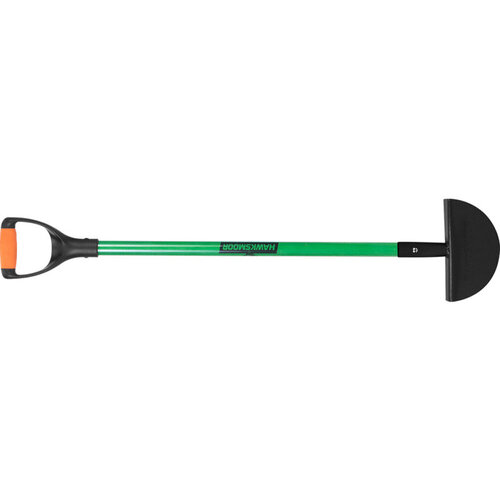
Hawksmoor Carbon Steel Lawn Edger - 200mm
200mm carbon steel lawn edger with treaded blade and soft-grip handle
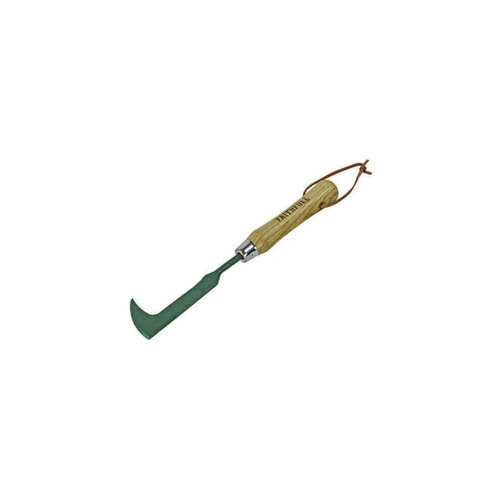
Faithfull Countryman Hand Patio Knife
Hand patio knife for removing weeds and moss
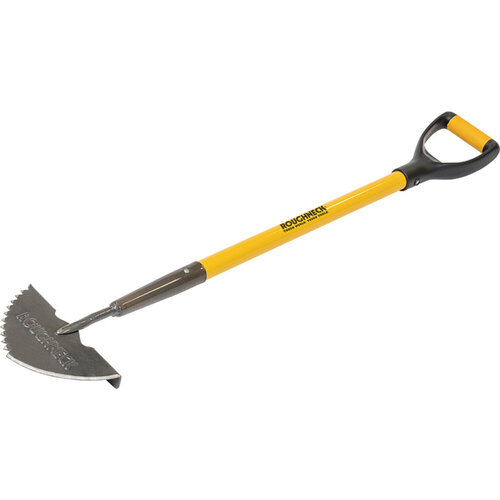
Roughneck® Sharp-Edge Lawn Edging Iron - 1000mm
Sharp serrated lawn edging iron with treaded blade for tidy borders, 1m length
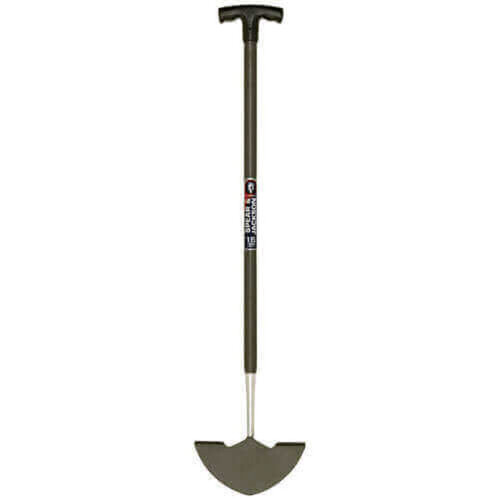
Spear & Jackson Neverbend Carbon Edging Knife
Carbon steel edging knife for clean lawn edges with 15-year guarantee.
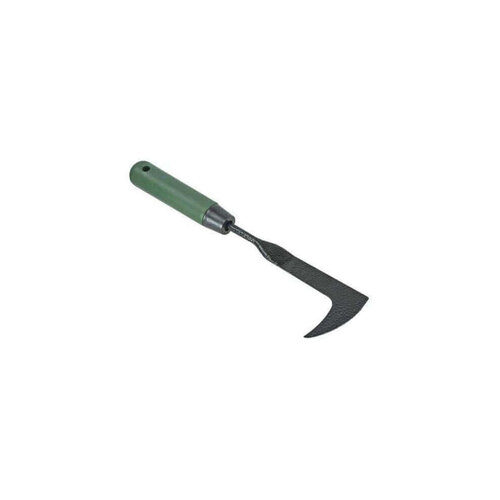
Faithfull Essentials Hand Patio Knife
Knife for removing weeds and moss between patio and paving slabs
For the Trade
Start with the run you’re cutting and how much abuse the tool will take. For a quick tidy-up, edging knives with a simple tread and a solid handle are usually enough. On heavier turf or repeat use, you want a stiffer head and a handle that won’t twist in your hand. Stainless steel is worth paying for where rust and wet storage are a problem. Carbon steel is often the cheaper call if the tool’s getting regular use and looked after properly. The one that gets returned most often is the one that flexes or feels awkward after a few cuts.
Edging Knives & Mutt Options Compared
Start with handle length and the reach you need. A short edging knife gives you more feel in tight borders and awkward corners. A long handled edging knife suits longer runs, where less bending matters more than close control.
Trade edging knives with a firmer tread and a straighter shaft suit heavier turf because they stay planted better. The trade-off is less agility where the line turns in and out.
If you’re building out the rest of the kit, keep your Garden Hand Tools matched to the same sort of work rather than buying on label alone.
Choosing Materials and Size
Material is usually the first call. A stainless steel edging knife is the one you’d normally pick for daily use when you want a firmer face and less trouble with corrosion. The trade-off is weight, and you notice that over a long shift.
Carbon steel edging knives tend to feel stiffer and more positive in use. That suits tougher turf and repeated cuts. They still carry more weight than lighter options, so handling matters as much as edge performance.
Material changes how the tool works on site and how it feels by the end of the day. If you’re also picking up Axes or Bow Saws, keep the load in mind, not just the cut.
Completing the Setup
Once you’ve picked the edging knives, the next call is what sits around the finish - any panels, screens or storage that need to line up with the same run. Leave that too late and the job gets messy.
A border being reworked often throws up a few extra bits as well. Check the adjacent finishes before you leave site. If you’re also ordering from the main garden hand tools range, keep the rest of the kit in step with the edging work rather than coming back for odds and ends later.
Related searches
Local availability for Edging Knives & Mutts





