Specialist
Specialist timber suits jobs that sit outside standard board-and-joist work, so the first call is usually format - sheet, section or strip. For joinery or finishing work, specialist timber sheets and panels save sorting. For straight lengths, profiles or edge detail, sections do the job. Then it comes down to species and finish. Specialist hardwood gives a different result to specialist softwood. Untreated stock works when you’re finishing it yourself, while treated material makes more sense where exposure is part of the brief.
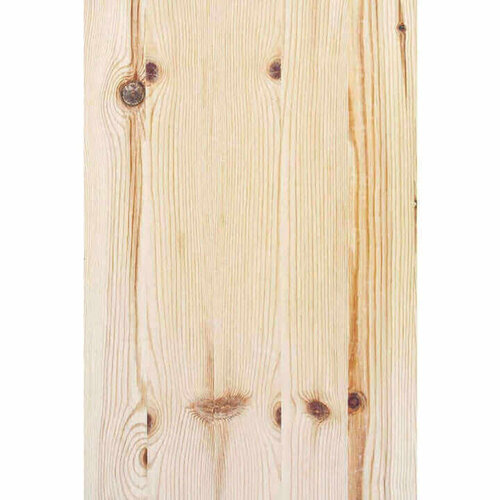
Laminated Timber Board PEFC - 2350mm x 250mm x 18mm
Laminated timber board 2350x250x18mm, PEFC certified.
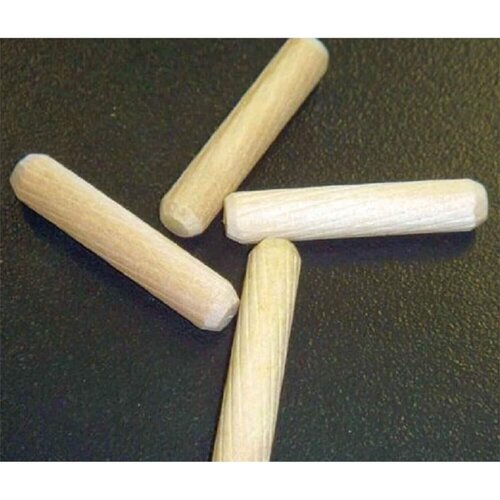
Wooden Dowels - 8mm x 40mm 40 Pack
Pack of 40 wooden dowels, 8mm x 40mm
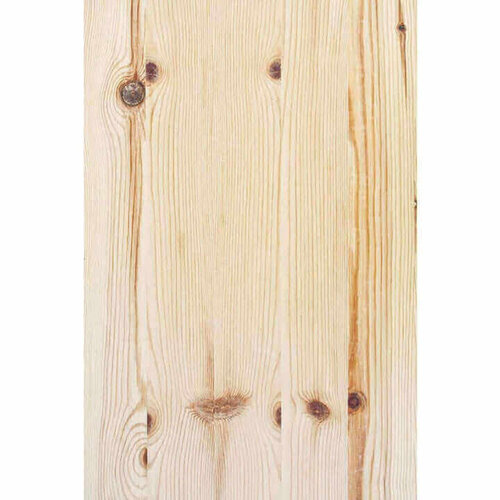
Laminated Timber Board PEFC - 2350mm x 300mm x 18mm
PEFC-certified laminated timber board, 2350mm x 300mm x 18mm.
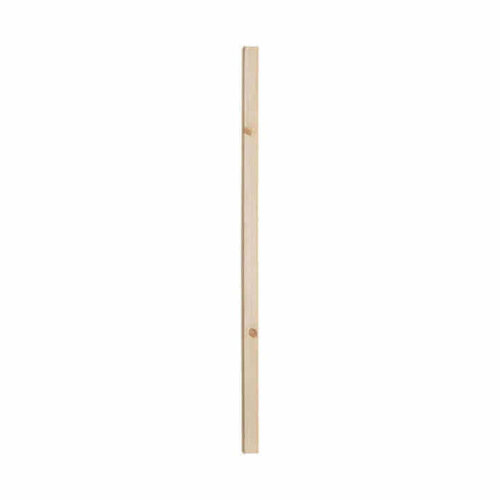
Stair Spindle Blank Pine PEFC - 41mm x 895mm
Pine stair spindle blank, 41 x 895 millimetres, PEFC certified
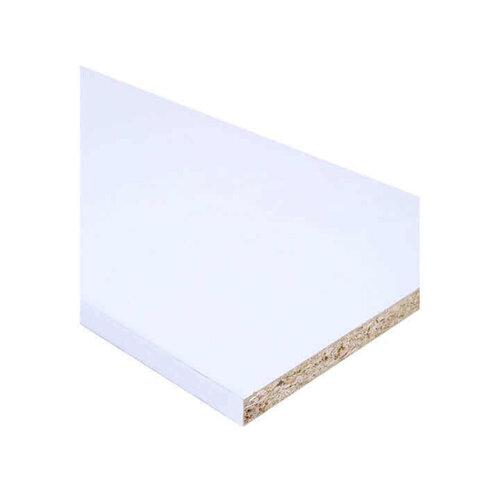
White Plastic Boards FSC - 1830mm x 225mm
White FSC plastic board, 1830 millimetres x 225 millimetres
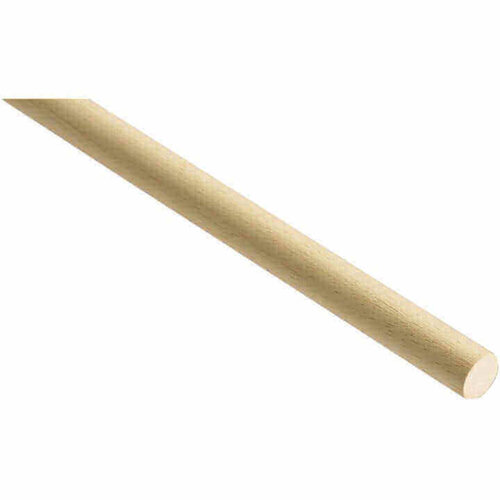
Light Hardwood Dowel FSC - 18mm x 2.4m
18mm x 2.4m FSC certified light hardwood dowel
Primed Chamfered Newel - 1500mm x 90mm x 41mm
Primed half stop chamfered newel post, 1500x90x41mm
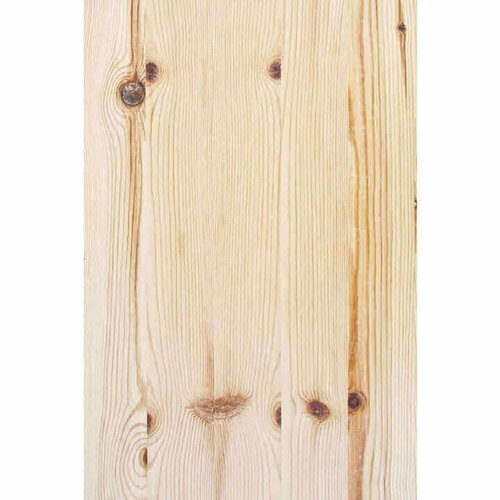
Laminated Timber Board PEFC - 2350mm x 400mm x 18mm
PEFC-certified laminated timber board, 2350mm x 400mm x 18mm
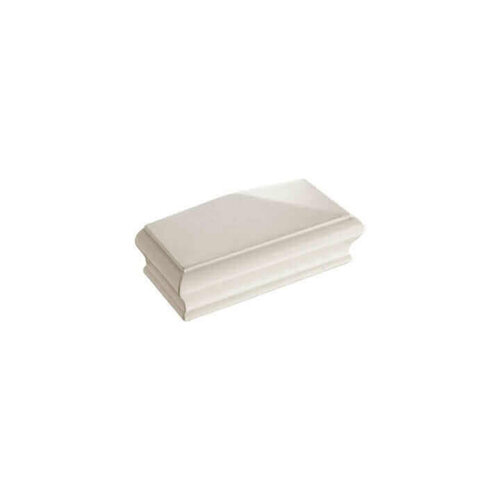
Stair Flat Newel Cap Half - 125mm x 58mm x 43mm White Primed
White primed half newel cap, 125mm x 58mm x 43mm
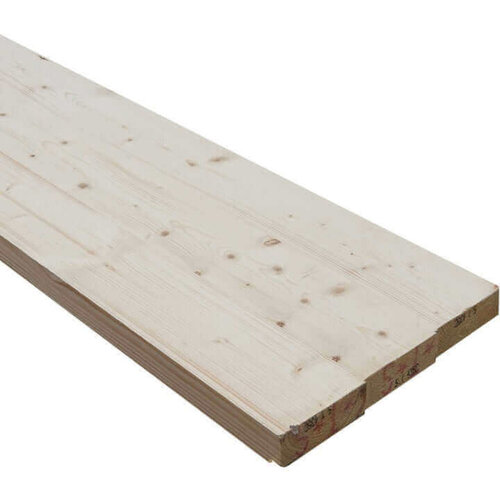
Laminated Stair String PEFC - 38mm x 275mm
Laminated stair string, 38 x 275 millimetres, PEFC certified.
For the Trade
You’re usually choosing specialist timber on three things first: the form you need, the finish you can live with, and how much movement you can tolerate once it’s on site. Clean, consistent stock matters most on visible work, so specialist hardwood is often the safer call there. If handling and cost matter more, specialist softwood usually makes more sense. Sheets and panels suit coverage. Lengths and sections suit straight runs or shaped details. The jobs that come back are often the ones where the wrong format was bought to save a few minutes at the counter.
Specialist Options Compared
When you’re down to specialist timber, start with what the piece has to do in the finished job. Specialist softwood is usually the quicker, cheaper call for painted work, temporary pieces and anything that needs easy handling and straightforward machining.
Specialist hardwood suits visible faces and parts that need more wear resistance. You pay more for it, and it can take more effort on the tools. If you’re comparing Timber against the rest of the range, that’s usually the split that decides it.
Choosing Materials and Size
The first question is usually handling. Lighter specialist timber is easier to move through the job. Denser material tends to stay flatter and take a better edge where the piece is worked hard.
For larger faces, specialist timber boards and specialist timber sheets are usually the quicker buy because you cover more area with fewer joints. Specialist timber panels make more sense where you want a cleaner finished face and less waste around cut-outs.
That is the trade-off. Easier handling versus a firmer, more stable result. For cheaper backing jobs, Chipboard is often the next stop. Hardboard suits thinner lining work where you want a lighter sheet and do not need the same body.
Completing the Setup
Once you’ve picked the main piece, the next call is usually what finishes the rest of the job cleanly. If you need a lining or backing that stays flat and keeps the spec tidy, chipboard or hardboard may be the next buy. MDF is the one people reach for when you need a cleaner edge on painted work.
For straight runs and visible trims, keep an eye on the matching sections and mouldings. Don’t force a board product to do a profile job. That’s where jobs get messy - wrong format, extra cutting, and a return visit.
Local availability for Specialist






