Dollies & Trolleys
If you’re choosing dollies and trolleys, start with the load and the route, not the label. A low dolly suits bulky items that need a flat base and easy turning. A handled trolley gives you more control over taller or awkward loads. Wheel size and deck height matter more than most people think. Small wheels are fine on smooth floors, but they get caught out on rough ground and thresholds.
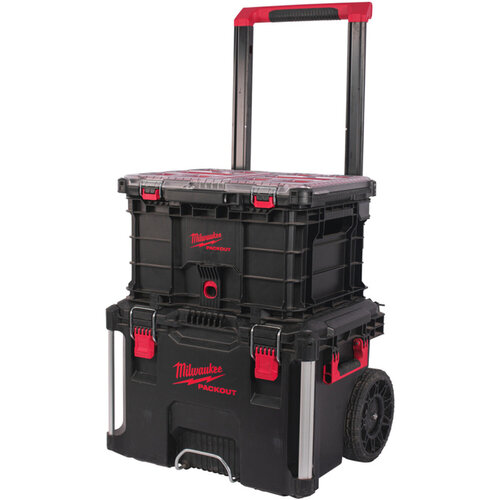
Milwaukee PACKOUT Promo Trolley Set - 3pc
3-piece stackable storage system with IP65 weather seal and 22kg crate
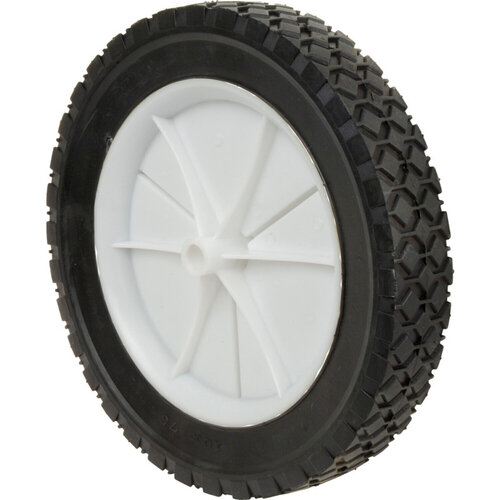
Wheel - 200mm
200mm black plastic wheel with rubber tread, 13mm bore
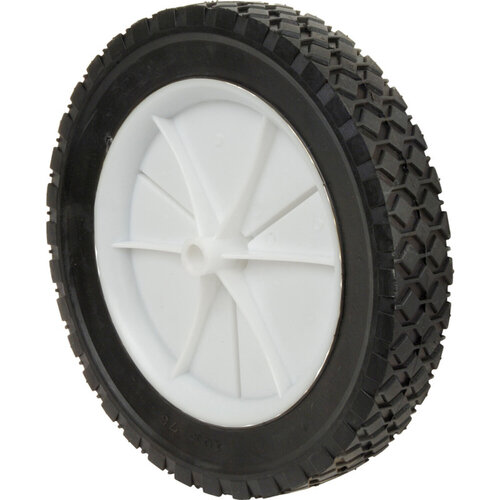
Wheel - 150mm
150mm black plastic wheel with rubber tread, 13mm bore
For the Trade
Start with the space you’ve got and how the load needs to move, because that usually rules out half the options straight away. In tight plant rooms, narrow aisles or awkward doorways, you want something that turns cleanly and doesn’t eat room at the corners. For longer runs or repeated moves, stability and deck size matter more than a neat finish. Trades usually pick dollies and trolleys on layout first, then look at finish or extras after. A sheet that shifts or catches is the one that gets cursed on site, so the right footprint usually saves more grief than a heavier spec.
Popular Dollies & Trolley Formats
Trade dollies and trolleys are the usual pick when you want something simple and easy to turn. They suit lighter work, but they are not the right call if the load is heavier or the route is rough.
Heavy duty dollies and trolleys give you more margin when weight is the issue. The trade-off is a bit less ease in hand.
Industrial dollies and trolleys suit regular site or workshop use, where the kit gets knocked about day after day. Warehouse dollies and trolleys make more sense when you are moving stock all shift and need the load to stay stable.
If you are comparing the lot, Manual Handling is the parent range to work back from.
Key Differences When Choosing
What usually decides it is the load shape and how often you’re moving it. A low deck keeps awkward kit steady. A handled frame gives you more control when the load wants to shift or tip.
For boxed stock or loose items, Storage Boxes often make the move cleaner because you’re not chasing bits across the deck. If you’re shifting bigger sheets, cabinets or stacked materials, Flatbed Trolleys are the better call. You do give up some of the compact handling you get from smaller dollies and trolleys.
Next Decisions After Choosing
Once you’ve picked the right dollies and trolleys, the next call is usually what sits around them on the job. If you’re moving kit in and out of a work area, storage boxes keep fixings and smaller parts together, while packaging protects the load between moves.
Where the route is flat and stable, flatbed trolleys are the next step. They take sheets, boxes and awkward loads that don’t sit well on a smaller dolly. That’s often what saves you a second trip - choose the support gear around the load, not just the mover itself.
Related searches
Local availability for Dollies & Trolleys

