Metal Free Footwear
Metal free safety footwear is the one you pick when site rules, scanners or client spec rule out metal in the boot. You can choose between lighter trainers, tougher boots and lower-profile shoes, so the key is matching protection to the job without carrying extra bulk. Composite toe versions are often the common call when you still want a proper protective front without the weight and cold transfer of metal.
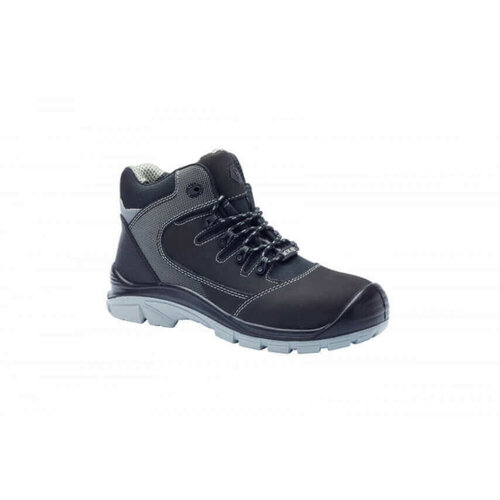
Blackrock Carson Hiker - Size 8 Black/Grey
Blackrock Carson Hiker heavy canvas dust sheet, black/grey
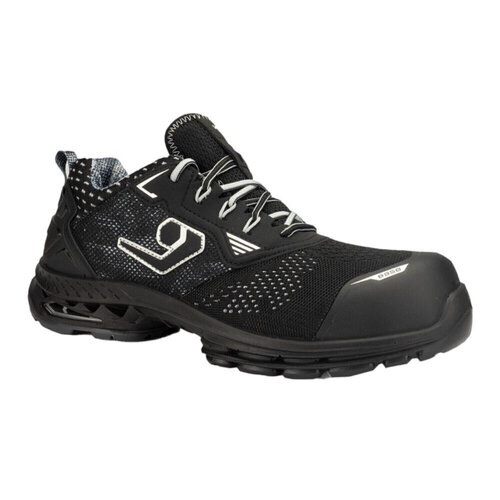
Base London S1PS ESD Metal Free Vegan Lightweight Composite Toe Safety Shoes
Metal-free ESD safety shoes with composite toe, S1PS rated
For the Trade
Start with what the job site will tolerate, then decide how much weight and bulk you can live with. Metal free safety footwear is usually picked where scanners or site rules rule out metal. After that, the real choice is still the same one I’d ask at the counter: do you need a boot, a shoe, or something lighter for long shifts and a lot of walking? A lower-profile pair is easier to wear all day. A fuller boot gives you more coverage and usually feels steadier on rough ground. The trade-off is simple - the lighter the build, the more you need to check it still suits the wear and tear of the job.
Types of Metal Free Footwear
If you’re narrowing down metal free safety footwear, compare the format against the job rather than the label. Lightweight metal free footwear is the pick when you want less bulk for all-day movement, while a boot gives you more ankle coverage and a firmer feel if the site is rougher or you’re on ladders. Shoes sit lower and are easier to wear under trousers or in tighter spaces, but you give up that extra support. On the Safety Footwear side, that is usually the split that decides the buy before anyone gets into the finer details.
Selection Factors for Metal Free Footwear
Material is the main call here. If you’re on your feet all day, or you want less weight in the boot, metal free safety footwear usually makes more sense. Composite parts take some of the bulk out, and they do not carry the same cold feel as metal.
The trade-off is feel underfoot. Some models are less rigid. If you want a firmer build, look at composite toe metal free boots rather than the lightest options.
For kit that gets knocked about, check the finish as well. A rougher upper usually holds up better than a softer one. If you’re replacing worn parts too, Laces & Insoles is the next stop. If the job needs a different level of protection altogether, Chainsaw Boots sit in a different lane.
Finish the Room
Once you’ve settled on metal free safety footwear, the next call is what else the job needs around it. If the site is hard on kit, you’ll usually be looking at tougher finishes and storage that keep boots from getting battered in the van or on the deck.
Where the work is wet or dirty, waterproof footwear is the obvious follow-on, but only if the shift really needs it. Otherwise you’re carrying extra bulk for no gain.
On jobs with a lot of kneeling or debris, the small extras matter too. Laces & Insoles are the bits that get replaced first, and that’s usually what keeps a pair in service.
Related searches
Local availability for Metal Free Footwear


