Specialist Paint
Specialist paint is the one you reach for when standard decorator paint won’t hold up to the job. Start with the surface and the downtime you can afford. If you need a trade coating with a tougher finish or a quicker return to service, that narrows the choice fast. If the substrate is sound and the spec is ordinary, a general product is usually the cheaper call. Coverage and recoat time matter as much as the label, because the wrong choice slows the job or leaves you short on finish.
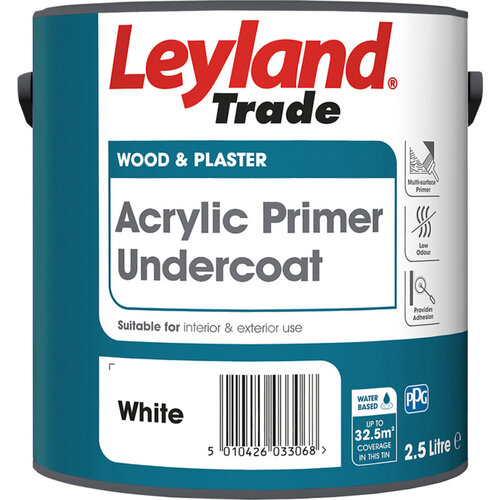
Leyland Trade Acrylic Primer Undercoat Paint - White 2.5L
Quick-drying white acrylic primer undercoat for bare surfaces, 2.5L
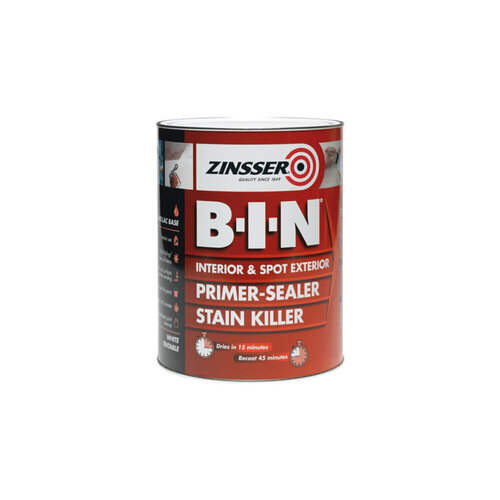
Zinsser B-I-N Primer Sealer Paint - White 1L
Shellac-based primer sealer, 1L, adheres without sanding and permanently blocks …
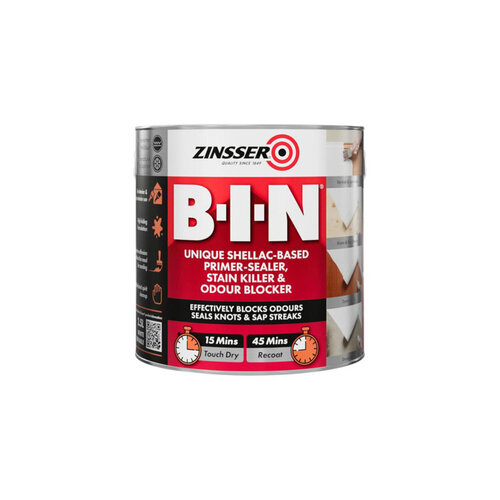
Zinsser B-I-N Primer Sealer Paint - White 2.5L
Shellac-based primer sealer that adheres without sanding and permanently blocks …
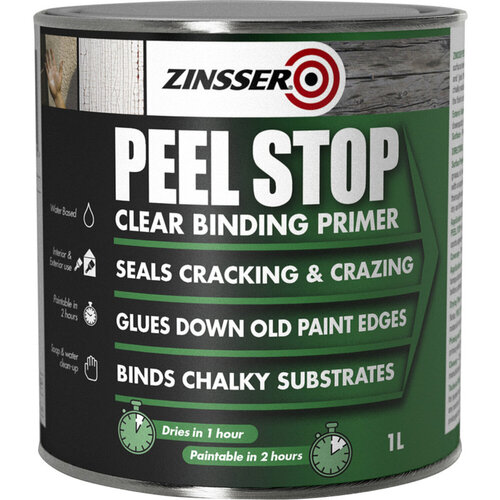
Zinsser Peel Stop Primer Paint - Clear 1L
Clear binding primer to prevent peeling and flaking, 1L
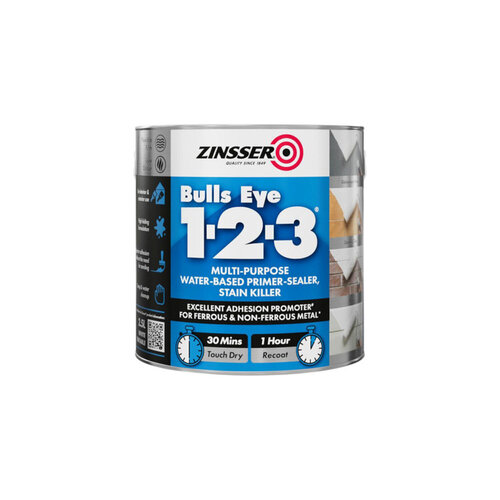
Zinsser Bulls Eye 123 Primer Sealer Paint - White 2.5L
White 2.5L water-based primer sealer, covers up to 25m², dries in 30 min.
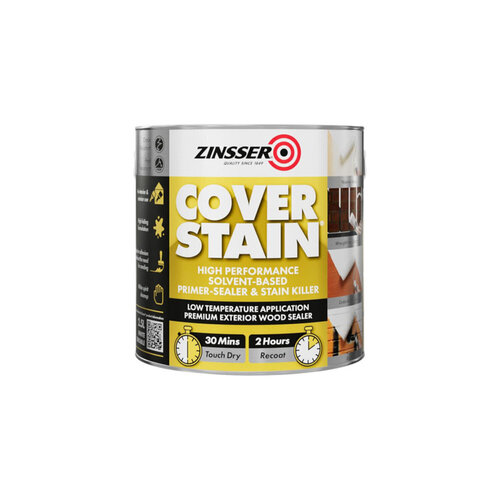
Zinsser Cover Stain Primer Paint - White 2.5L
Quick-drying, white, 2.5L primer-sealer for interior/exterior surfaces, seals st…
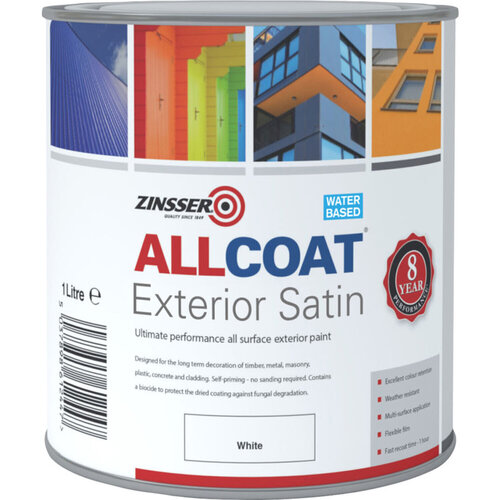
Zinsser Allcoat Exterior Satin Paint - White 1L
White exterior satin paint, self-priming for multi-surface use, 1 litre
Zinsser Cover Stain Primer Paint - White 500ml
Quick-drying white primer-sealer, 500ml, for interior/exterior use, seals stains…
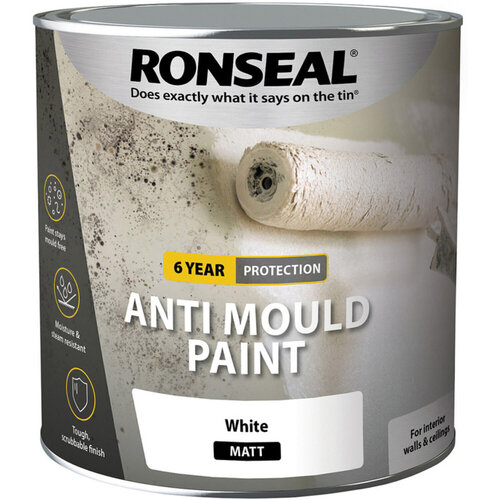
Ronseal 6 Year Anti Mould Paint 2.5L - Ronseal 6 Year Anti Mould Paint White Mat…
2.5L white matt anti-mould paint that stops mould for up to 6 years
Zinsser Bulls Eye 123 Primer Sealer Paint - White 1L
White 1L water-based primer sealer, covers up to 10m², dries in 30 min.
For the Trade
The first question is what the finish has to cope with, because that usually sets the spec before anything else. Then look at space and layout: a tight plant room, a busy corridor or a small prep area can push you toward a faster-drying or harder-wearing option, while a wider run gives you more room to work a slower system. Specialist paint for floors, metalwork or tiled areas is a different buy from a general decorator finish, and you usually give up a bit of ease of application for better resistance or adhesion. If the job needs a quick turnaround, recoat time matters as much as coverage, because a slow system holds the programme up. On the Painting & Decorating side, check whether you need a specialist coating that fits the rest of the system, or just the one product to get you through today’s job.
Anti Climb Paint
You’re usually choosing specialist paint by the surface and the punishment it has to take, not by colour or finish. A coating for a gate, cabinet, tile or radiator gets picked because ordinary decorator paint will not hold up there. The trade-off is a tighter prep window and less room for error on coverage or recoat time.
If the job is mainly about one awkward substrate, a general specialist paint can be enough. If it is security-related, Anti Climb Paint is the narrower buy. Most call-backs come from the coating not matching the surface in the first place.
Chalkboard Paint
For a chalkboard finish, you’re mainly weighing how hard the surface will get used and how clean you need the writing face to stay. You’d normally pick specialist paint when you want a proper writable surface, not just a dark decorative coat. Firmer products tend to hold a more even finish and stay presentable for longer.
If the board is going in a busy area, recoat time and surface prep matter. A soft finish or poor key is what usually causes the first complaints. If you need the narrower buy in this range, Chalkboard Paint is the one to look at.
Damp Proof Paint
Damp proof paint is the one you pick when the job is about holding back moisture, not just giving a tougher finish. The key point is how bad the wall is and what the spec calls for. A coating for light staining is a different buy from one meant to deal with recurring damp.
Coverage and recoat time still matter. A thirsty substrate or a tight programme can rule out some options. If you only need the narrower buy in this range, Damp Proof Paint is the place to start.
Floor Paint
Floor paint comes down to what the surface has to take and how much downtime you’ve got. A decent specialist coating needs to cope with traffic, cleaning and the odd spill, so you’re usually balancing hardness against how quickly you can get back on it.
Faster-drying products help when the area can’t be out of use for long, but they can leave you with less working time and a tighter recoat window. A rough or contaminated slab will still cause trouble, so the substrate matters as much as the tin you pick.
If the job is about a hard-wearing finish rather than a decorative one, this is where specialist paint earns its keep.
Furniture Paint
Furniture paint is the one you pick when the job needs a harder-wearing finish on cabinets, wardrobes or other fitted pieces, not a general decorator coat. Start with how much handling the surface will take. Doors and drawer fronts need a tougher specialist paint than a shelf that barely gets touched.
Then match the substrate to the finish you want. A smoother factory-style result usually asks more from prep and product choice than a quick refresh. Drying and recoat time matter too. A faster specialist coating helps on short turnarounds, but it can leave you with less working time if the surface is awkward.
Line Marking Paint
Line marking jobs usually come down to two things: how hard the surface gets worked and how soon you need it back in use. You pick specialist paint here for visibility and wear, but the right call still depends on whether you’re marking a clean internal floor, a rougher yard surface, or a patch that gets constant traffic.
Fast recoat can save time, but it leaves less room for correction. A thinner film can also wear sooner if the base isn’t sound. If the job needs a different finish, the other specialist coating ranges are there for that.
What to Check Before You Buy
What usually decides it is the substrate and how much build-up you’ve already got. New plaster pulls paint differently from bare masonry, and previously painted surfaces tell you more about adhesion and recoat than coverage on the tin.
That is where specialist paint earns its keep. You choose the system around the surface, not just the colour or finish. If you are still sorting the rest of the job, Decorating Tools & Equipment is the bit that tends to affect how cleanly the coating goes down and how much time you lose on the second pass.
Useful Alongside Specialist Paint
Once you’ve picked the specialist paint, the next call is what goes under it and what you use to prep. If the surface is patchy, porous or already contaminated, you need the right primer or undercoat before the finish goes on. Otherwise the topcoat gets blamed for a problem underneath.
That is where the time goes on a busy job, not the paint itself. Keep the tools matched to the surface too. A decent roller, brush or spray setup saves you fighting the coating, especially with a trade coating that needs a clean, even build.
Related searches
Local availability for Specialist Paint