Heavy Duty Fixings
Heavy duty fixings are what you reach for when a standard plug won’t hold in masonry or block. The choice comes down to load, base material and how much room you’ve got to work with. Wall anchors, heavy duty screw fixings and heavy duty expansion fixings all solve the same job in different ways, and the wrong one is the one that gets called back.
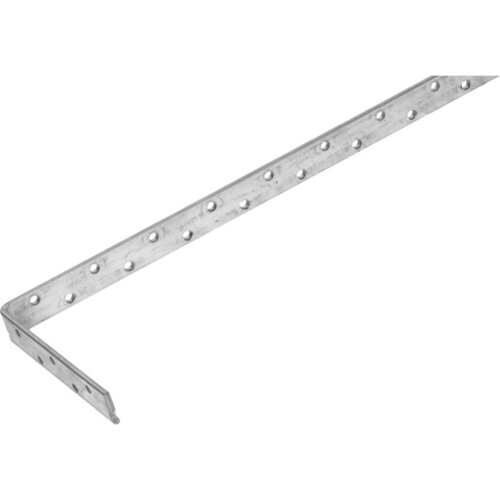
Light Duty Strap Bend - 600mm Total Length
Light-duty 600mm restraint strap with right-angle bend, galvanised steel.
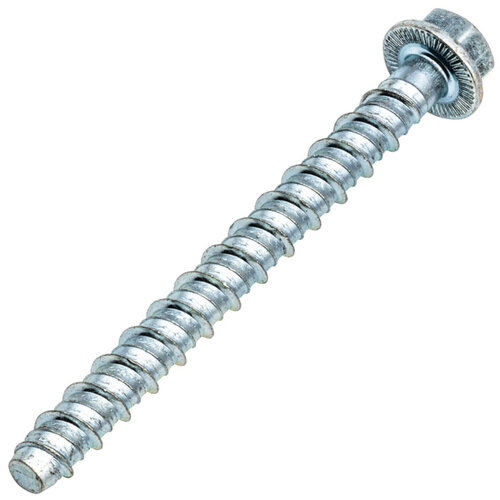
Rawlplug R-LX Zinc Plated Concrete Screw Anchor - 7.5 x 75mm 10 Pack
Non-expansion concrete screw anchor with zinc corrosion protection, 7.5 x 75mm, …
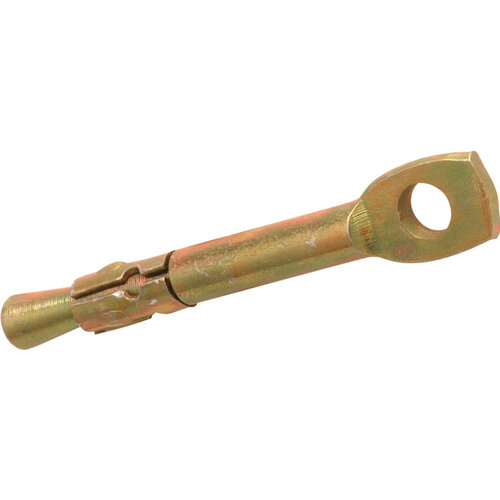
Wire Hanger - M6 x 50mm 10 Pack
Zinc-plated wire hanger M6 x 50mm, 10 pack, for suspended ceilings and partition…
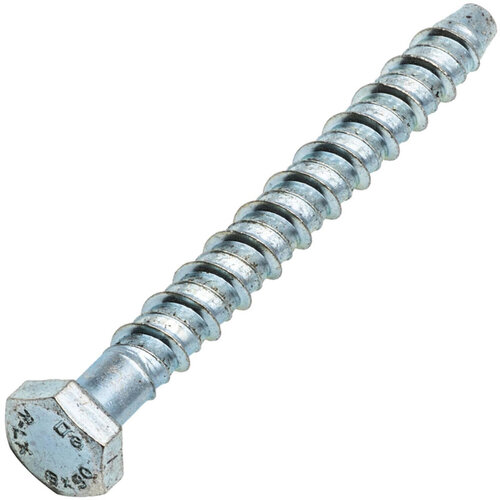
Rawlplug R-LX Zinc Plated Concrete Screw Anchor - 10 x 90mm 10 Pack
10 x 90mm zinc plated concrete screw anchor, 10 pack
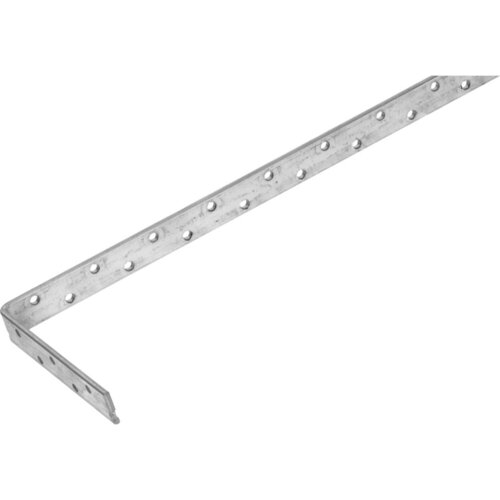
Light Duty Strap Bend - 600mm Total Length 10 Pk
Light-duty 600mm restraint strap with right-angle bend, pack of 10, galvanised s…
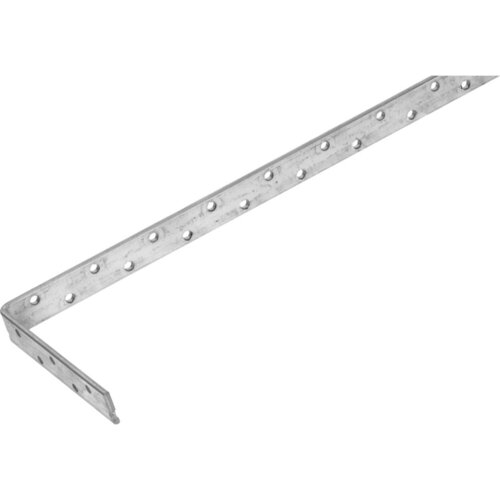
Light Duty Strap Bend - 1000mm Total Length 10 Pk
Galvanised steel strap bend for timber-to-masonry fixing, 1000mm, 10 pack
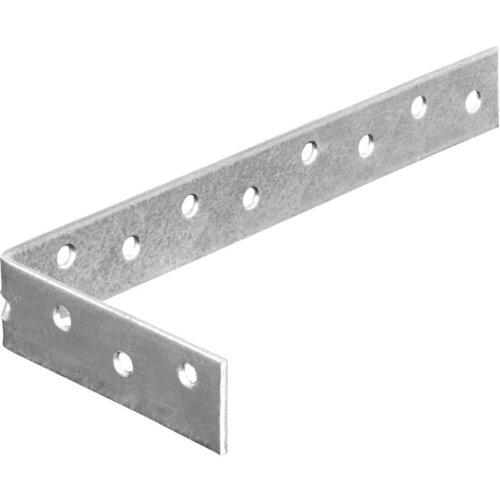
Light Duty Strap Bend - 300mm Total Length
Light-duty 300mm restraint strap with right-angle bend, galvanised steel.
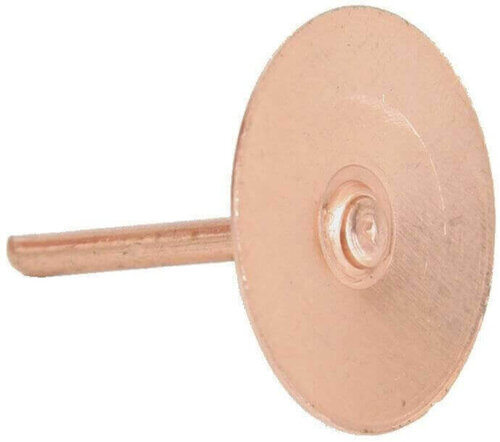
John George Disc Rivets - Copper 1000 Pack
1000-pack copper disc rivets for slate fixing, corrosion-resistant
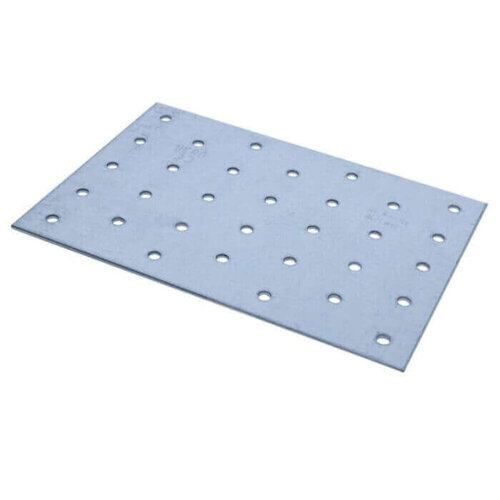
Nail Plate Galvanised - 80X260MM
Galvanised nail plate, 80 x 260mm, for timber truss connections
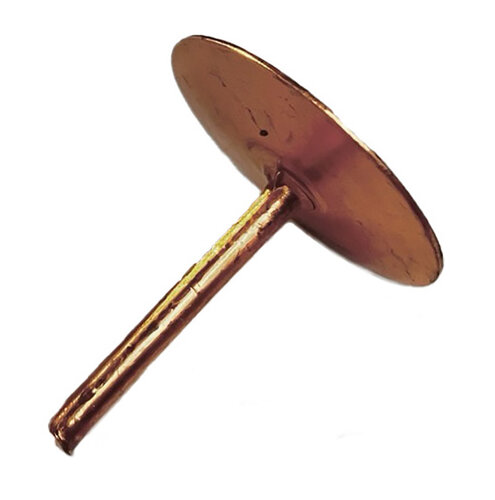
Sitefix Disc Rivets - Copper 100 Pack
Copper disc rivets, pack of 100, 50x230x110mm
For the Trade
Start with the space you’ve got and how the fixing will be loaded. That usually narrows it down fast. On solid masonry, heavy duty expansion fixings or heavy duty screw fixings are often the cleaner pick because they give a firmer bite with less movement. Where access is awkward or the base material is less forgiving, heavy duty wall anchors or heavy duty toggle fixings may be the better call, but you give up a bit of simplicity. The bit that gets missed most is layout. If the fixing can’t sit properly, the spec on paper won’t save it.
Heavy Duty Fixing Types and Layouts
The first split is usually between a fixing that bites straight into masonry and one that spreads the load behind the face. Heavy duty screw fixings and heavy duty expansion fixings suit solid backgrounds where you want a firm pull-up and a predictable hold. Heavy duty wall anchors and heavy duty toggle fixings come into their own where the substrate or access makes that harder.
If you want a cleaner, quicker fix, screw and plug-style options are usually the first pick. When the job is more demanding, anchor and toggle types give you more holding margin, but they are less forgiving if the base is poor. If you are working through the wider Fixings & Fasteners range, this is where the load path decides the product.
What to Check Before You Buy
What changes the buy is the background and how much margin you’ve got for the fixing to work properly. In solid masonry, go for heavy duty fixings that bite hard and stay put. On weaker or less predictable bases, use a fixing that spreads the load rather than relying on one point of grip.
Size matters too. Too small and you’re back for a different fixing. Too large and you make the job harder than it needs to be. For lighter assemblies, Furniture Fixings may be the neater call. Mirror & Picture Fittings suit jobs where the load is modest but you still want a secure finish.
Useful Alongside Heavy Duty Fixings
Once the fixing is sorted, the next question is what else is being held off that wall and how much movement you need to allow around it. A panel or screen usually needs a different fixing detail to a bit of storage or a vanity run, because the load is spread differently and edge distance matters more than most people allow for.
If you're finishing a bathroom or utility, check the surrounding items before you order. A missed bracket or the wrong fixing pattern is what brings the call-back, not the main fixing itself. For lighter add-ons, furniture fixings or mirror and picture fittings may be the better buy.
Related searches
Local availability for Heavy Duty Fixings















