Safety Boots
When you’re choosing safety boots, start with the job and the ground underfoot. Steel toe cap safety boots are still the usual pick for heavier site work, while lightweight safety boots make more sense if you’re on your feet all day and don’t want the extra bulk. Leather safety boots generally take more abuse. Wide fit safety boots are worth sorting early if standard lasts give you grief - a tight boot is the one that comes back.
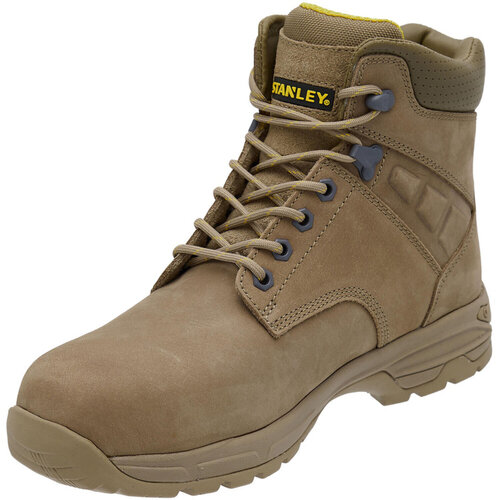
Stanley Impact Safety Boots - Stone Size 10
Stanley Impact steel toe safety boots, stone colour, size 10
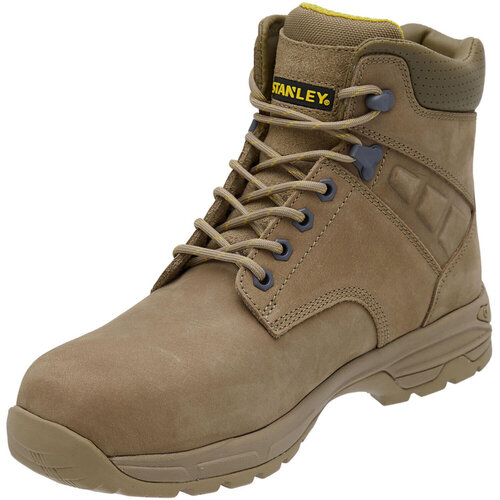
Stanley Impact Safety Boots - Stone Size 8
Stanley Impact stone steel toe safety boots size 8
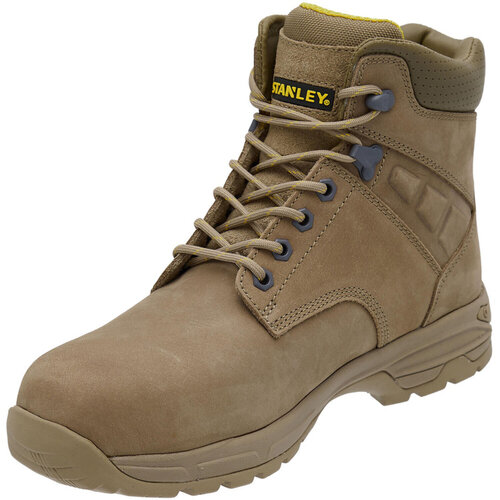
Stanley Impact Safety Boots - Stone Size 9
Stanley Impact safety boot in stone, size 9, steel toe cap
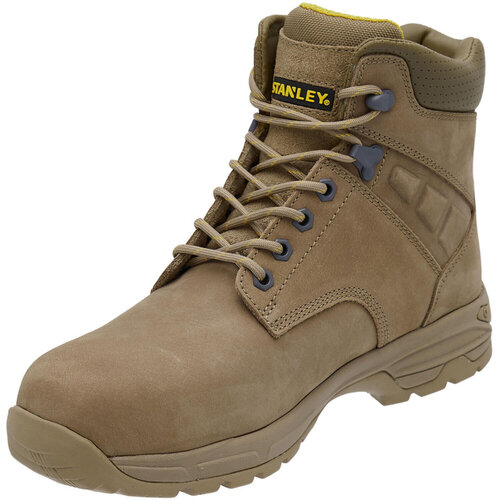
Stanley Impact Safety Boots - Stone Size 11
Stanley Impact safety boots in stone, size 11, with steel toe cap
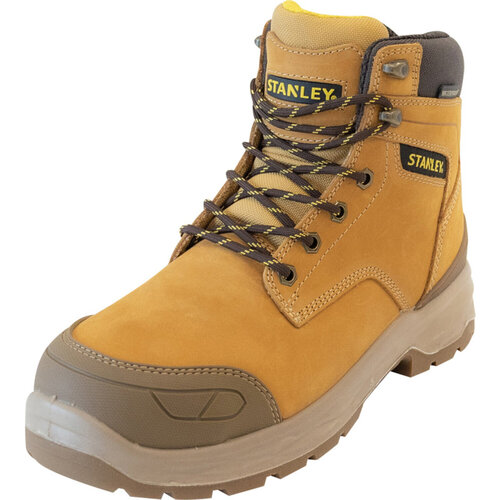
Stanley Gladiator Waterproof Safety Boots - Honey Size 9
Waterproof honey safety boots with steel toe cap and midsole, size 9
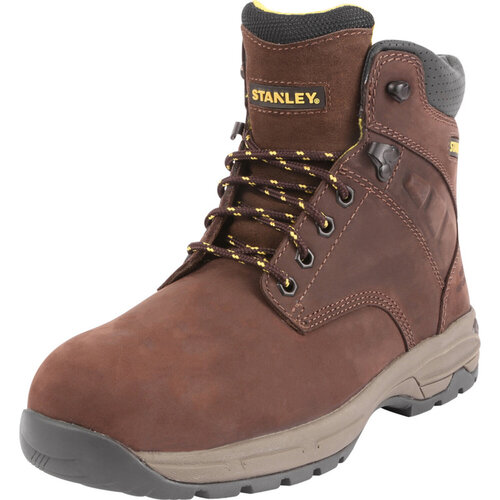
Stanley Impact Safety Boots - Brown Size 11
Stanley Impact steel toe safety boots, brown colour, size 11
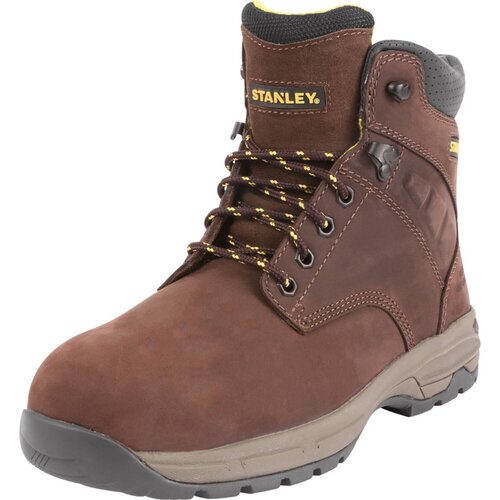
Stanley Impact Safety Boots - Brown Size 9
Stanley Impact steel toe safety boots, brown colour, size 9
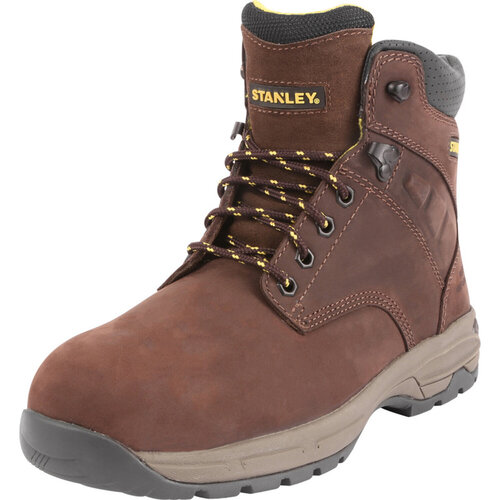
Stanley Impact Safety Boots - Brown Size 10
Stanley Impact steel toe safety boots in brown, size 10
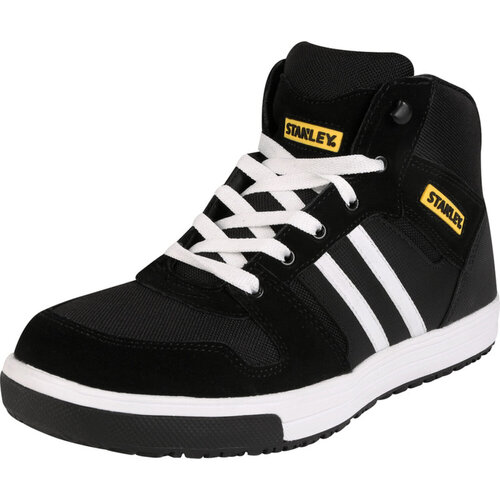
Stanley Orion Mid Safety Boots - Size 10
Black steel toe safety boot with composite midsole (Size 10)
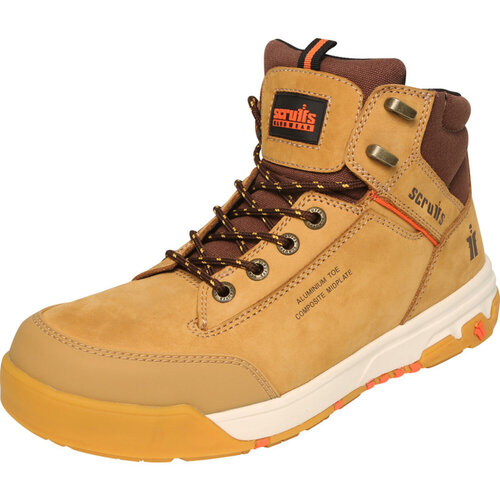
Scruffs Switchback 3 Safety Boots - Tan Size 10
Tan size 10 safety boot – S3 SRC HRO rated, aluminium toe cap
For the Trade
The first question is what the boot has to do on this job. Safety boots on hard ground all day need a different spec from pairs that only see short bursts of wear. Steel toe cap safety boots still get picked for rougher site work because they take a knock well, but they can feel heavier through a long shift. Lightweight safety boots suit lads who are on their feet all day and want less drag, though you usually give up a bit of that planted feel. Wide fit safety boots are the ones to reach for when the standard last is causing grief. Leather safety boots usually make sense where you want a tougher upper that stands up better to daily abuse.
Types of Safety Boots
If you’re narrowing down safety boots, start with what the day will do to them. Water resistant safety boots make sense when you’re in and out of wet ground or damp yards. Insulated pairs suit cold starts and winter shifts, but you give up some breathability for the extra warmth.
Leather safety boots are the steady all-rounder when you want a tougher upper that takes more abuse. Lightweight safety boots work better if you’re on your feet all day and don’t want a heavy boot dragging by mid-afternoon. If you need the rest of the range, Safety Footwear keeps the other options in one place.
Selection Factors for Safety Boots
The first call is usually between steel toe cap safety boots and composite toe cap safety boots. Steel still gets picked when you want a firmer face for harder daily use, but you do give up some weight. You notice that after a long shift or when you’re carrying pairs up and down stairs.
Composite is the lighter option and can be easier on the foot, though it won’t feel as solid in the hand. Size matters just as much. Wide fit safety boots are worth it when you need room across the forefoot, because a tight boot is the one that comes back.
If you’re replacing worn pairs, Laces & Insoles is usually the next stop. For specialist cutting work, Chainsaw Boots is the different spec altogether.
Finish the Room
Once you’ve picked the right safety boots, the next call is what they need to handle day to day. On wet or rough ground, waterproof footwear or a tougher upper will usually go further. On cleaner jobs, a lighter boot is often easier to keep on all shift.
If the site is cold, insulated options earn their keep, but they can feel too warm once the weather turns. When a pair is otherwise sound, laces and insoles are worth sorting before you bin them. It’s often the insoles that decide whether the boots stay in use or get left in the van.
Related searches
Local availability for Safety Boots






