Radios
If you’re choosing radios for site use, start with how they’ll be powered and where they’ll sit - mains, battery or both changes the job more than the badge on the front. A dab radio suits steady reception and local stations. A portable radio with Bluetooth is the better pick if you want to stream from a phone as well. Heavier, caged site radios take more abuse, but they’re bulkier to carry, and cheaper ones are often the first to get knocked off a bench.
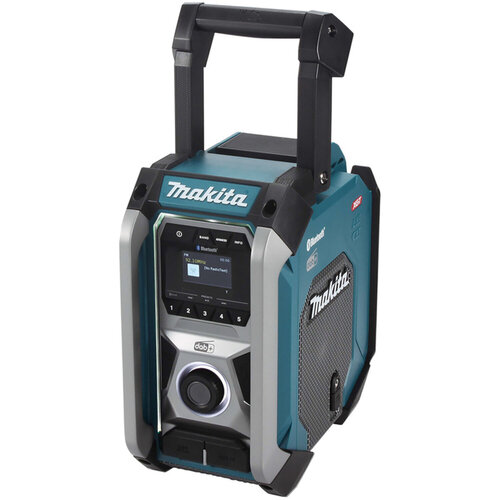
Makita Radio CXT/LXT/XGT Bluetooth & DAB+ - Body Only
Makita jobsite radio with DAB+, Bluetooth, battery/mains powered, IP65, 434x171m…
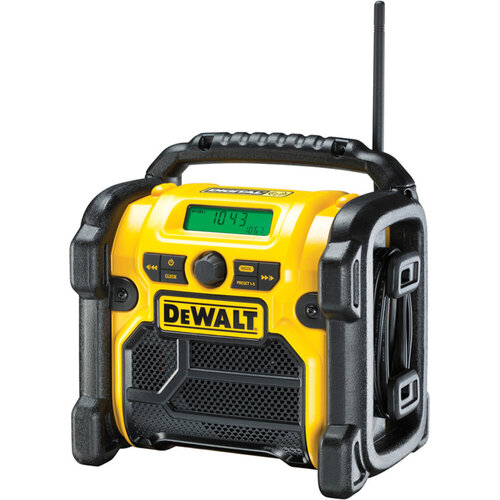
Dewalt DCR020-GB 18V XR Compact Digital DAB Radio - 240V/14.4V/18V
Compact DAB+/FM jobsite radio, runs on DeWalt batteries or mains
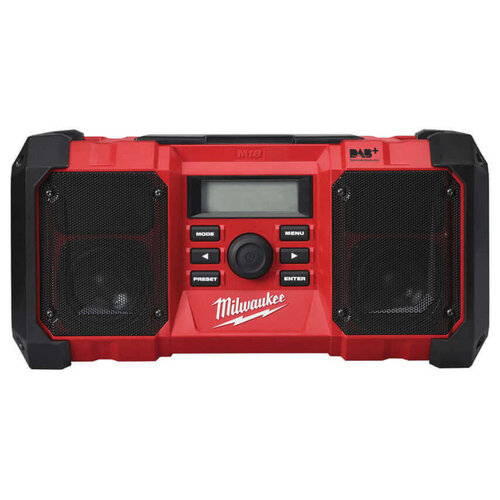
Milwaukee M18 JSR DAB+ 18V Cordless Jobsite Radio - Red
18V cordless DAB+ jobsite radio with dual speakers and USB charger
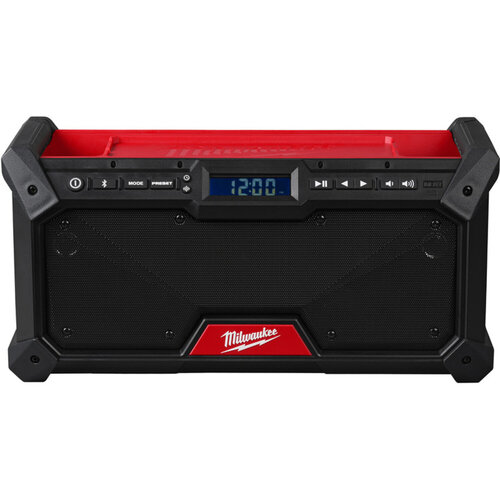
Milwaukee M18RADDAB+G2-0 Job Site Radio w/ DAB+ - Body Only
Milwaukee M18 cordless jobsite radio with DAB+, dual speakers, Bluetooth, and ru…
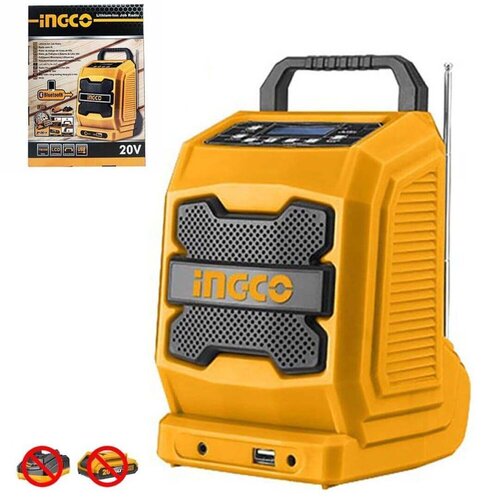
Ingco 20V Lithium-ion Job Radio with Bluetooth - Body Only
20V job radio with Bluetooth, AM/FM, aux-in, 3W output, body only
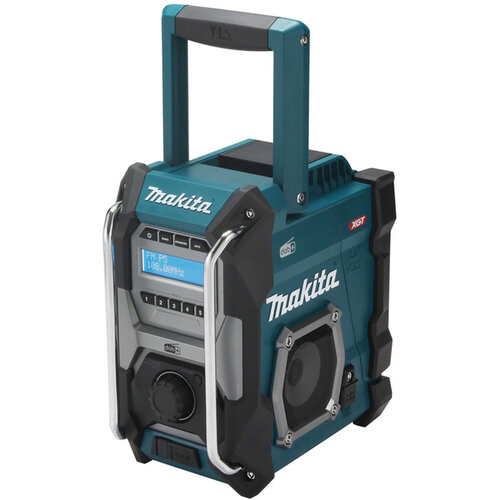
Makita Radio CXT/LXT/XGT DAB+ - Body Only
Makita jobsite DAB+ and FM radio, compatible with CXT, LXT, XGT batteries, IP65
For the Trade
Start with where it’s going to sit and how it’ll be used. That usually matters more than the badge on the front. On a tight floor or in a van, you want radios that are easy to move and stay out of the way. On a busier job, a more solid unit is worth the extra bulk if it’s going to take knocks. Then decide whether reception or streaming matters more day to day. A dab radio suits sites where you want reliable stations. A portable radio with Bluetooth works better when crews keep swapping between radio and phone audio. The ones that come back are usually the ones bought for the wrong space.
Popular Radio Formats
A plain DAB set works when you want stations on all day without tying it to a phone. A Bluetooth site radio makes more sense when the crew keeps changing what they want to hear.
Heavier site radios suit rougher use. They handle knocks, dust and regular moving about better. A lighter portable radio is easier to carry between rooms or in and out of the van, but you usually give up some toughness.
If you’re already buying across Power Tools, keep the radio choice in step with the rest of the kit you’re carrying.
Key Differences When Choosing
What usually decides it is how much you want to rely on the radio itself. If you need stations all day, a dab radio is the cleaner pick. If the crew keeps changing what’s playing, a bluetooth site radio gives you more flexibility, but you then depend on a phone or tablet being charged and nearby.
A portable radio suits work that moves between rooms or vans. Bigger site radios stay put. They are less fiddly and less likely to disappear.
If you are kitting out more than one job, Kits & Twinpacks can make sense. If the radio is only part of the setup, Impact Drivers & Wrenches is the other common buy.
Next Decisions After Choosing
Once you’ve picked the radio, the next call is where it’s going and what else is being finished around it. On a fit-out, that means thinking about the surrounding panels, screens and storage so the unit isn’t left loose on the job.
If the area is getting a proper finish, the radio choice matters less than the space you’ve got to park it and whether it needs to stay out of the way. A good unit still gets returned if it’s too bulky for the shelf, or not protected enough for where it’s going to live.
Related searches
Local availability for Radios




