Detectors
Start with the job and the alarm type, not the badge on the box. Smoke detectors, carbon monoxide detectors, gas detectors, heat detectors and leak detectors cover different risks, and the wrong one is often picked when one order is meant to do everything. Motion detectors sit with security work, while fire and leak alarms are about getting the right warning in the right place.
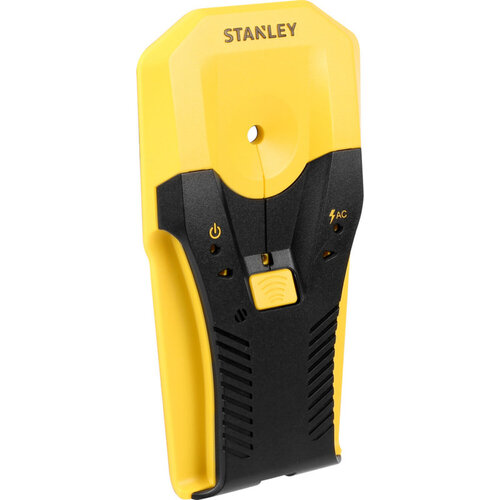
Stanley Stud Detector S160
Stanley S160 stud finder detects wood, metal and live AC wire with auto calibrat…
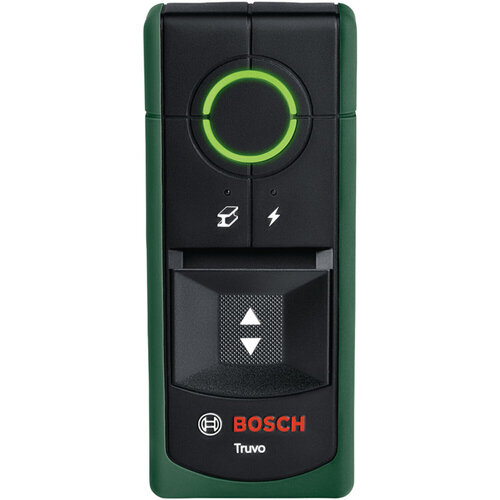
Bosch Truvo Digital Detector
Digital wall detector for metal and live cables with LED traffic light system
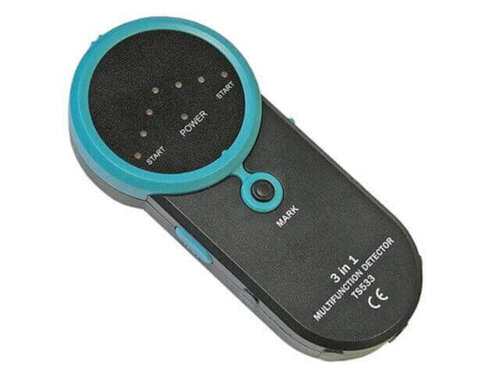
Faithfull 3-in-1 Stud, Metal & Live Wire Detector
Detects wood/metal studs, live AC cables, and hidden metal objects
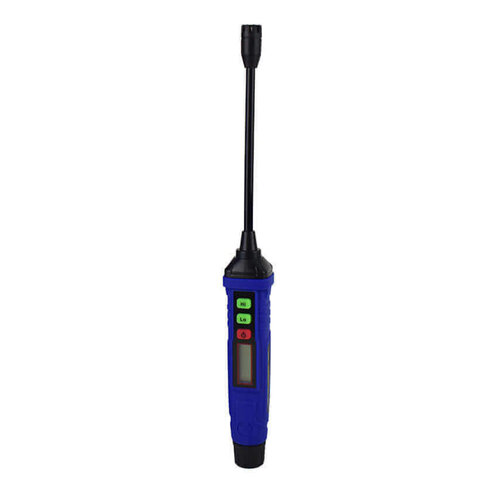
Arctic Hayes Gas Leak Detector
Gas leak detector with LED and audible alarm for combustible gases
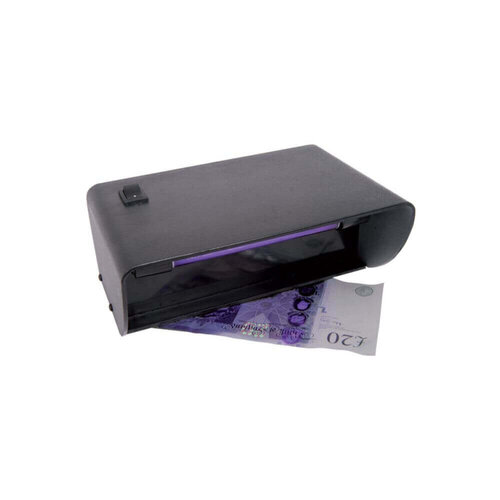
Mercury UV Counterfeit Bank Note Money Forger Detector
UV banknote checker with 4W tube and neon rocker switch
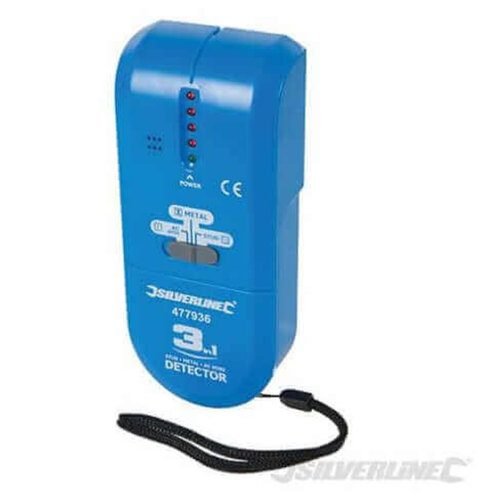
Silverline Detector 3 in 1
Silverline 3-in-1 detector
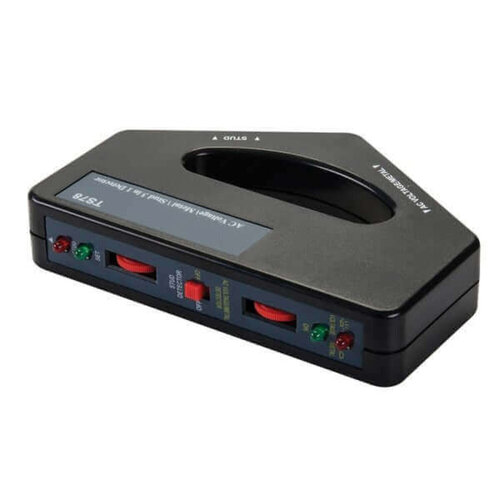
Silverline Detector 3 in 1
Silverline 3-in-1 detector
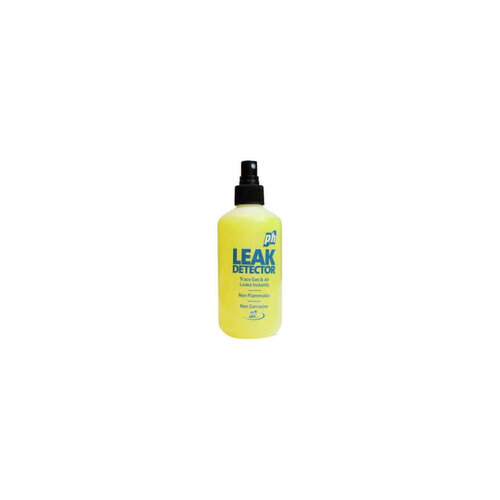
Arctic Hayes PH026A Gas Leak Detector with Atomiser - 250ml
Gas leak detector spray with atomiser, 250ml
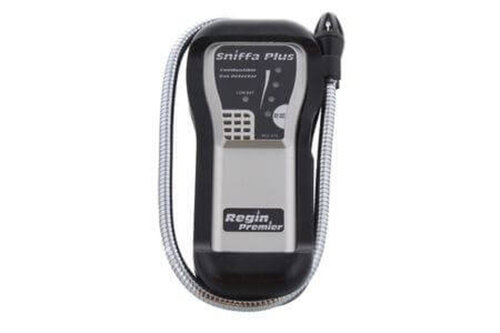
Regin Sniffer Gas Leak Detector
Sniffa Plus gas leak detector detects methane, butane, propane, natural gas; aud…
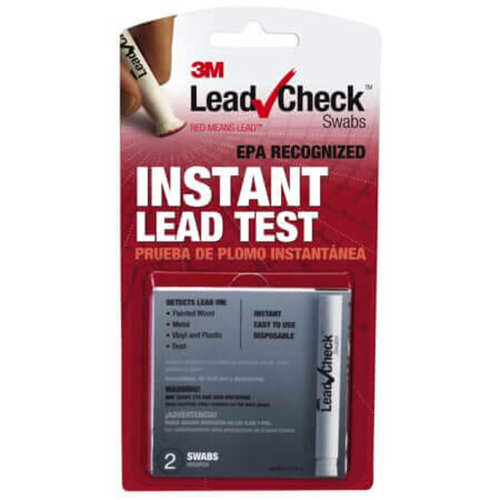
3M Paint & Surface Testers
3M paint and surface testers
For the Trade
Space and use come first. That usually settles the spec before you look at finishes or extras. In a tight plant room, a compact unit is often easier to place cleanly. In a more open area, fixing position and detection pattern matter more than the badge on the box. On a lot of jobs, the choice is between a simple detector that does one job well and a more specific unit where the spec calls for it. Get that wrong and you end up changing it later, which is the bit nobody wants.
Detector Types and Layouts
Start by splitting life-safety from security and monitoring. Smoke detectors and carbon monoxide detectors are the ones you don’t compromise on when the spec is fixed. Gas detectors and leak detectors usually suit plant, kitchens, or service runs where the risk stays local.
Motion detectors sit in a different bucket. You’re buying coverage and response, not environmental sensing. Metal detectors are the outlier, so if that’s the job, you’re into a different conversation.
If you’re comparing options across Testing Equipment, start with what you need the unit to react to. That usually decides the format before anything else.
What to Check Before You Buy
Start with the risk you’re covering and where the unit needs to sit. Fixed life-safety jobs usually point you to the right alarm format. Plant, service runs and access points often need something more specific, such as motion detectors or leak detectors.
If you’re checking a fault or tracing a problem, Electrical Testers usually come before you start swapping parts. Where you need to see into a void or behind a finished run, Inspection Cameras are the next buy. The common mistake is buying for the label on the box instead of the risk or coverage you actually need.
Useful Alongside Detectors
Once you’ve picked the detector, the next call is usually the kit around it. Covers, mounting plates, replacement batteries, and the right fixings keep the job tidy and serviceable. If the back box or surface finish is awkward, sort that before you’re on site.
On alarm work, you’ll often be sorting the detector and the panel or accessory together. A mismatched base or an old back plate is what usually causes the call-back. For security jobs, motion detectors often need the right bracket or corner mount to get the coverage you want. Leak detectors are often bought with the matching probe or extension lead, so you’re not improvising.
Related searches
Local availability for Detectors









