Power Banks
If you’re choosing power banks, start with what needs charging and how often you’ll be away from a socket. Compact power banks suit phones and light use. Higher-capacity models make more sense if you’re keeping a tablet or multiple devices going through the day. Fast charging is worth paying for when turnaround matters, but it usually means a bigger, dearer unit. Solar power banks suit jobs where mains charging is not reliable, though they are not the one to fit in every van.
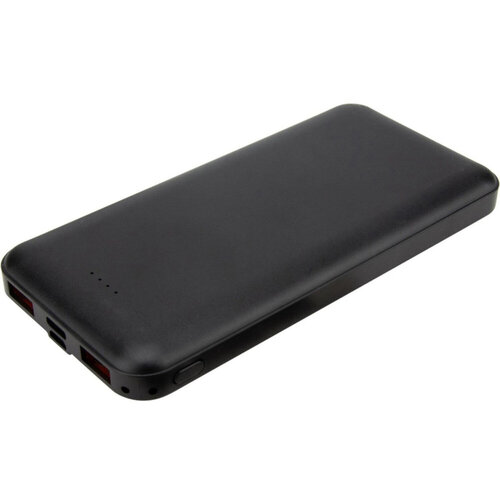
Wessex Electrical Power Bank - 10,000mAh
10,000mAh portable power bank with USB-C 20W and dual USB-A outputs
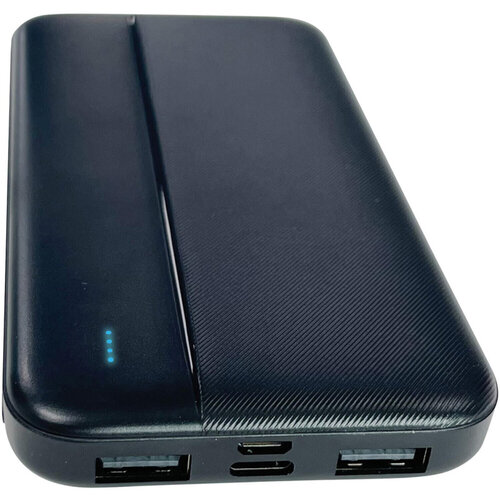
Wessex Power Bank - 10000mAh
10000mAh portable power bank with dual USB outputs and LED charge indicator
For the Trade
Start with what’s being charged and how long it needs to last away from a socket. For short jobs, compact power banks are easier to carry and take up less room in the bag, but you give up reserve capacity. If you’re keeping a phone going all day, power banks for phones are usually enough. Once you’re feeding a tablet or more than one device, look at higher capacity and multi-device output. Fast charging only matters if the device and lead can take it. Solar power banks suit jobs where mains charging is not reliable.
Popular Power Bank Formats
Portable power banks suit jobs where size and carry weight matter more than reserve, especially for phones and light kit. If you need more headroom, high capacity power banks give you longer shifts or multiple charges, but they usually add weight in the bag.
Fast charging power banks make sense when turnaround matters and you can use the higher input and output. Otherwise, you pay for speed you will not use. Solar power banks are the fallback when charging points are unreliable. With regular mains access, they are rarely the first pick. If you are comparing them against the rest of Domestic Electricals, that is usually the split that decides it.
Key Differences When Choosing
Size is usually the first call with power banks. A compact unit is easier to carry and keeps the bag lighter, but you give up reserve and may need to top it up more often.
Go bigger when you need several charges or you’re keeping kit running through a long day. The trade-off is bulk, and that usually stays in the van.
Fast charging matters when turnaround is tight. A simpler unit is fine if it’s only covering a phone between checks.
If you’re buying alongside Telephone Accessories, keep the output and cable setup in mind. For site kit that needs backup rather than a full recharge, Alarms & Sensors is the more relevant sibling category.
Next Decisions After Choosing
Once you’ve picked the power banks, the next call is what sits around them in the kit. If you’re carrying them every day, a case is worth having. Loose units get scuffed, and the leads end up bent in the bottom of the bag.
If you’re keeping a few charged and ready, power bank chargers matter more than another spare unit. That’s the bit that usually gets missed until someone’s left with flat kit. For mixed electrical work, it makes sense to check the rest of the domestic electricals range so you are not making a second trip for small accessories. Alarms and sensors or telephone accessories can be the next buy if the job is already moving that way.
Related searches
Local availability for Power Banks

