Ladders & Platforms
The main call is reach, weight and how long you’ll be on it. Lightweight ladders are easier to move round the job, but once you’re carrying tools or staying up there longer, a heavier-duty frame usually feels steadier and takes more punishment. Aluminium ladders are the common pick where handling matters. Industrial ladders make more sense when the job is harder on the kit and you want a bit more margin.
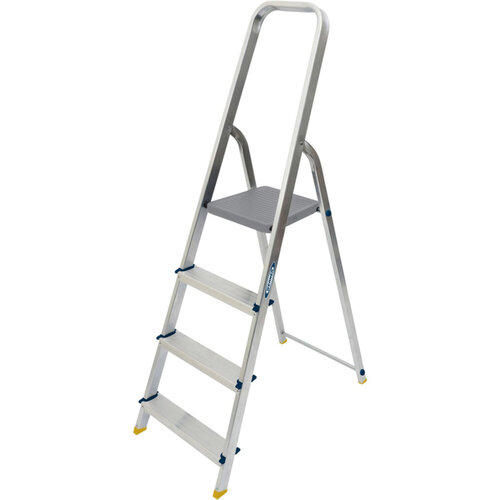
High Handrail Step Ladder - 4 Tread SWH 2.55m
4 tread aluminium step ladder with high handrail, safe working height 2.55m
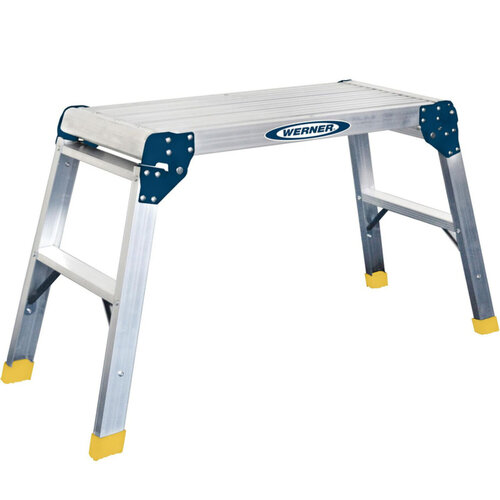
Werner Odd Job Platform - 700mm x 390mm x 150mm
Aluminium work platform, 700x390x150mm, slip-resistant surface
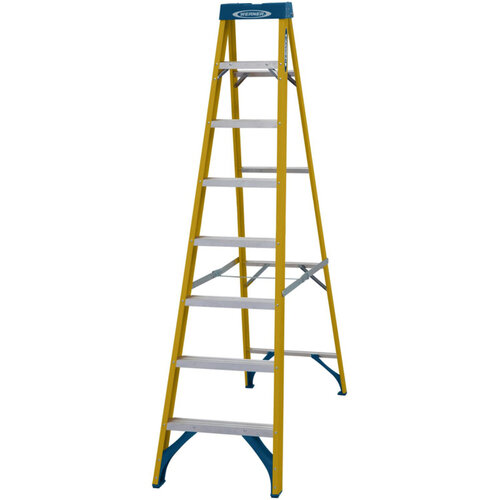
Werner Fibreglass Swingback Step Ladder - 8 Tread SWH 3.15m
Fibreglass swingback step ladder, 8 tread, safe working height 3.15m, yellow.
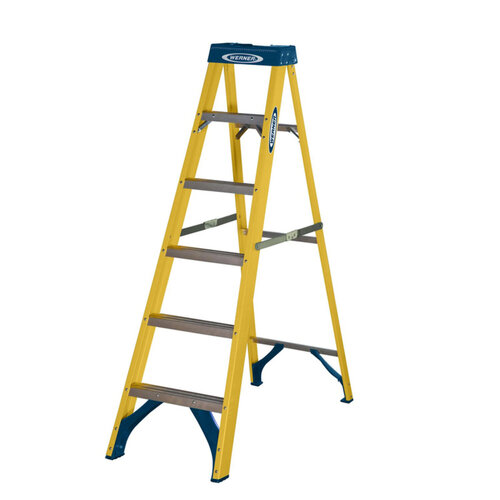
Werner Fibreglass Swingback Step Ladder - 6 Tread SWH 2.59m
Fibreglass swingback step ladder, 6 tread, safe working height 2.59m.
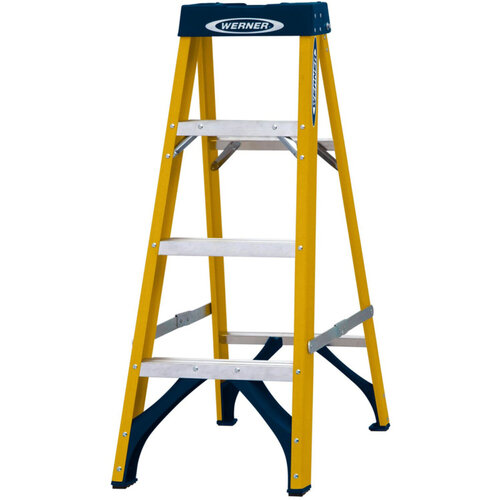
Werner Fibreglass Swingback Step Ladder - 4 Tread SWH 2.04m
Fibreglass swingback step ladder, 4 tread, safe working height 2.04m.
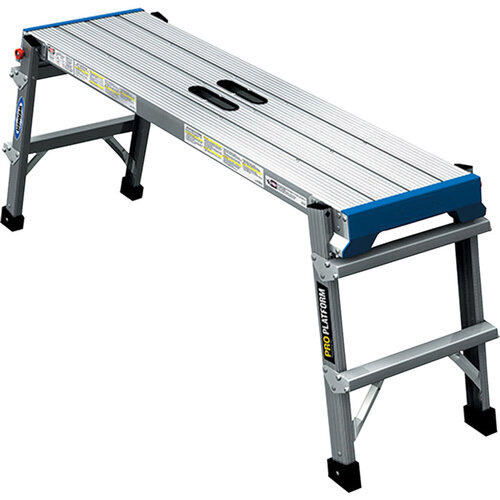
Werner Pro-Work Platform - 510mm x 1150mm x 300mm
Lightweight aluminium work platform with 150kg load capacity and 0.51m height
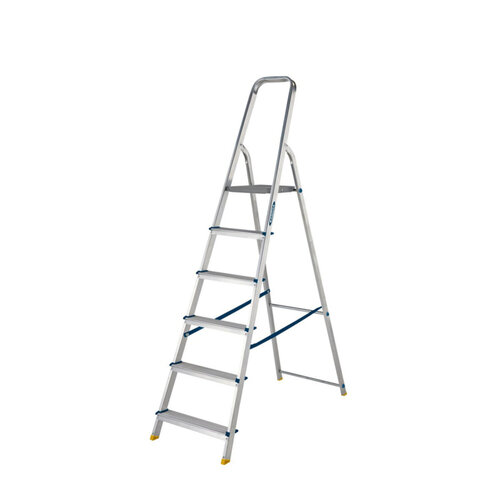
High Handrail Step Ladder - 6 Tread SWH 2.99m
6 tread aluminium step ladder with high handrail, safe working height 2.99m
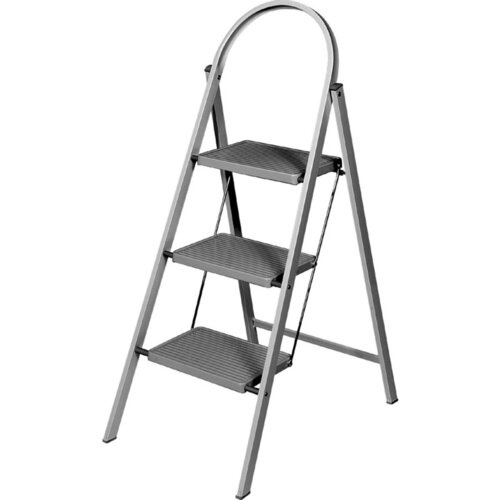
Handy Step Stool - 3 Tread SWH 2.43m
Grey steel-framed 3-tread step stool with slip-resistant feet, folds flat, top s…
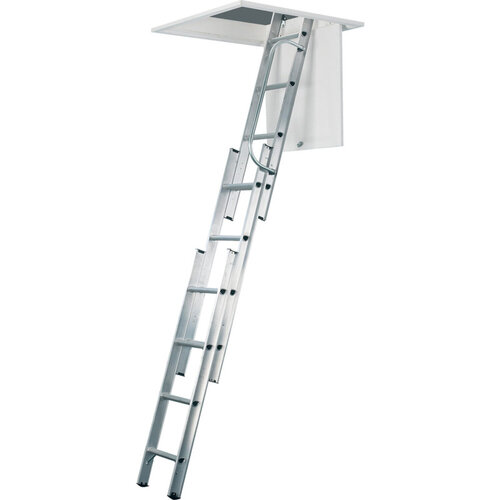
Werner 3 Section Loft Ladder & Handrail
3-section aluminium loft ladder with handrail, 150kg load, up to 3m
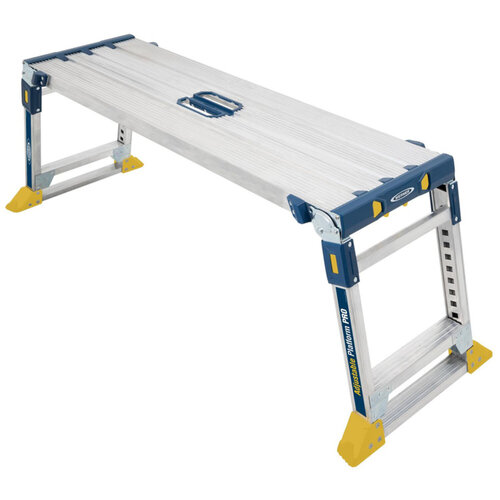
Werner Adjustable Pro Platform - 1150mm x 400mm
Aluminium adjustable work platform, 1150mm x 400mm, 136kg capacity, folds flat t…
For the Trade
Start with the space you’ve got and how you’ll use it. If the job allows for a firmer setup, industrial ladders usually make more sense than chasing the lightest option. Where access is tight or you’re moving it in and out all day, aluminium ladders save effort and are easier to handle. A staging platform or access ladder comes in when you want a steadier standing area, but you give up some reach and add bulk. The jobs that cause grief are the ones where the ladder suits the height but not the layout.
Access Towers
Access Towers are the call when you need a proper working deck rather than just a quick reach. They suit jobs where you’re moving along the face, carrying tools, or spending longer on the task. You get more room to work and less climbing up and down than with a ladder.
If you only need a short reach for light work, ordinary ladders are still the quicker, cheaper buy. The decision comes down to how much standing room you need and whether the job keeps changing position. That’s when Access Towers make more sense.
Extension Ladders
For Extension Ladders, the main check is how much height you need without bringing in more kit than the job calls for. They suit straight reach and a simple footprint. You do give up the working room you get from a platform or tower.
The common mistake is buying on height alone and ignoring carry and storage. A longer ladder is fine until it has to move through tight access or up a staircase. Aluminium models are usually the lighter carry. Heavy duty ladders make more sense when the job is rougher and the ladder stays out all day.
Fibreglass Ladders
If the job is near live electrics, fibreglass is usually the first place to look. You give up some of the easy carry you get from aluminium ladders, but you get a non-conductive frame and a bit more peace of mind on site.
They’re common on electrical and industrial jobs where the spec or the risk assessment decides it. If you only need a lighter ladder for quick moving around, aluminium still makes more sense. For the narrower buy within this range, Fibreglass Ladders is the one to open.
Folding Ladders
Folding ladders suit jobs that change through the day and need kit that packs down without taking over the van. They work well for trades moving between rooms, sites or call-outs, where a fixed-length ladder is awkward and a larger setup is more than you need.
The trade-off is straightforward. You get easier carrying and storage, but you usually give up some reach and a bit of the planted feel you get from heavier industrial ladders. If you need to move quickly through tighter access, that balance often makes sense.
Ladder Accessories
Most of the time, you’re looking at what’s taking the knocks on site. If you’re replacing worn feet, adding a standoff, or sorting a missing tray or hook, you buy the parts that keep the ladders usable rather than changing the whole set.
That’s usually the cheaper fix. It also stops a good frame being binned because one part’s failed. If the kit’s getting loose, bent, or keeps coming back, move up to a heavier-duty option instead of patching it.
Loft Ladders
Loft ladders come down to the opening, the headroom, and how often you’re in and out of the void. A compact set suits a tight hatch where you want the least intrusion. A sturdier unit makes more sense if it’ll be used regularly or the access gets a lot of traffic.
The usual snag is buying on price and then finding the hatch size or ceiling height does not suit the frame. Loft ladders are for fixed loft access, not general site use.
Selection Factors for Ladders & Platforms
What usually decides it is how often the kit moves, how much abuse it takes, and whether weight matters more than a firmer feel.
Aluminium ladders suit jobs where you are carrying them in and out all day or working in tighter access. They are easier to handle, but they can feel less planted than heavier-duty ladders.
For repetitive work or longer stays on site, industrial ladders usually make more sense. They give you a steadier setup and stand up better to knocks.
A staging platform is worth the extra footprint when you need a proper standing area. An access ladder is the simpler call when you just need reach without the bulk.
Finish the Room
Once you’ve picked the right ladder, the next call is what the rest of the job needs around it. If you’re working at height for any length of time, a staging platform or access tower usually makes more sense than pushing a ladder further. You get a steadier place to stand and a better setup for tools.
On electrical or mixed-trade work, fibreglass ladders are still the safer call where live kit is a concern. They are heavier to shift, and that matters when you’re moving between rooms or floors. The jobs that come back with problems are usually the ones where the access kit was right, but the surrounding kit was an afterthought.
Related searches
Local availability for Ladders & Platforms












