Lining Paper
Lining paper comes down to what you’re trying to hide and the finish going over it. Standard grades are usually the economical call for general wall prep, while thicker or heavy duty paper gives more cover on rougher surfaces or minor cracking. If the final coat needs a cleaner base, paintable lining paper is the one to use. Wide rolls can cut joints, but only if the room and access let you handle them cleanly.
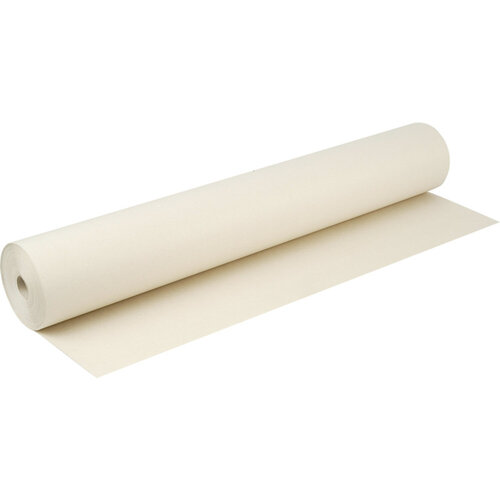
Double Roll Lining Paper - 20m x 0.53m - 1200g
2000 grade lining paper roll for smoothing walls before painting or wallpapering
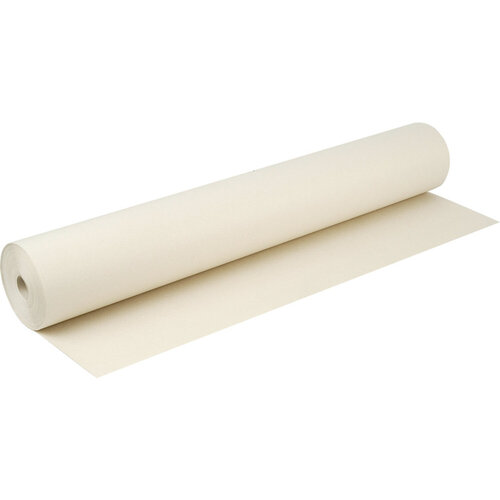
Double Roll Lining Paper - 20m x 0.53m - 1000g
Extra-thick 2000-grade lining paper, 20m x 560mm roll, covers approx 11.2m².
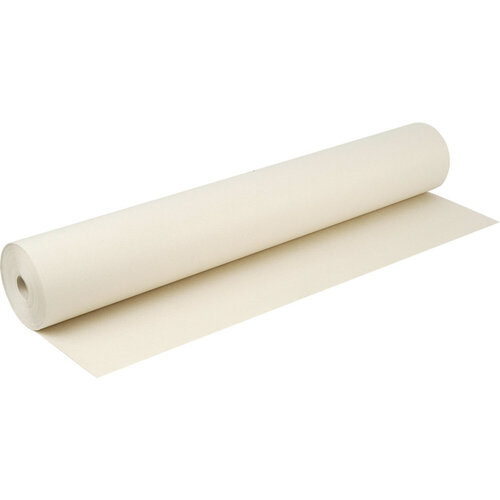
Double Roll Lining Paper - 20m x 0.53m - 2000g
Extra-thick 2000-grade lining paper, 20m x 560mm roll, covers approx 11.2m².
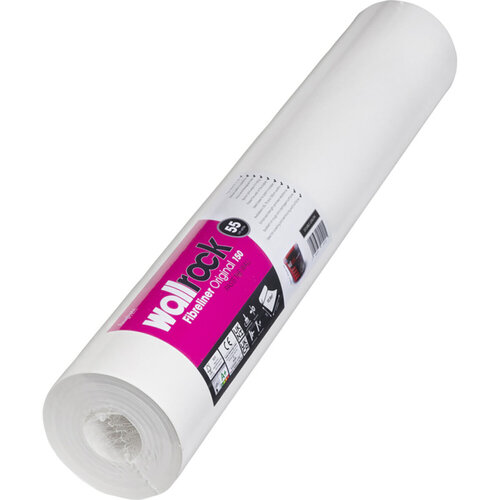
Wallrock Fibreliner - 20m x 55cm
Wallrock Fibreliner 20m x 55cm, covers approx 11m²
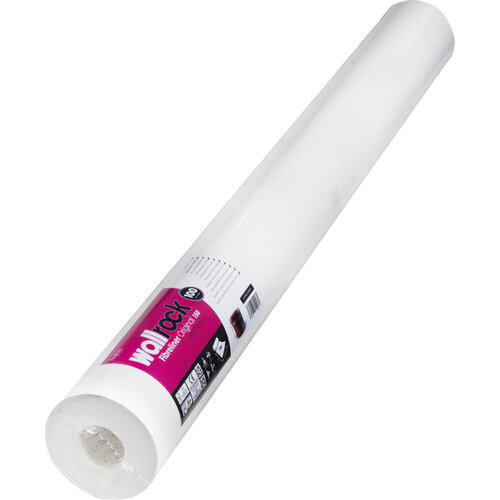
Wallrock Fibreliner - 20m x 100cm
Wallrock Fibreliner 20m x 100cm, covers approx 20m²
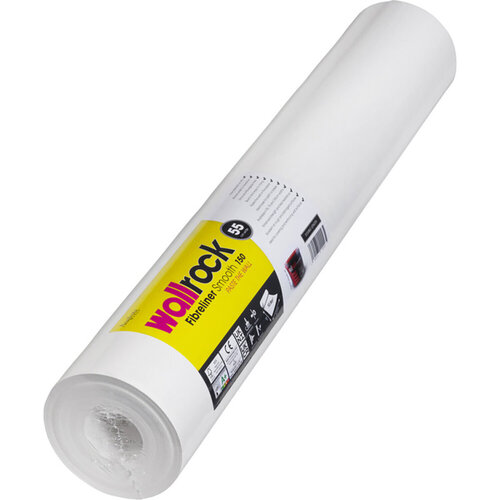
Wallrock Fibreliner Smooth Double - 20m x 55cm
Smooth lining paper for walls, 20m x 55cm, hung straight from roll
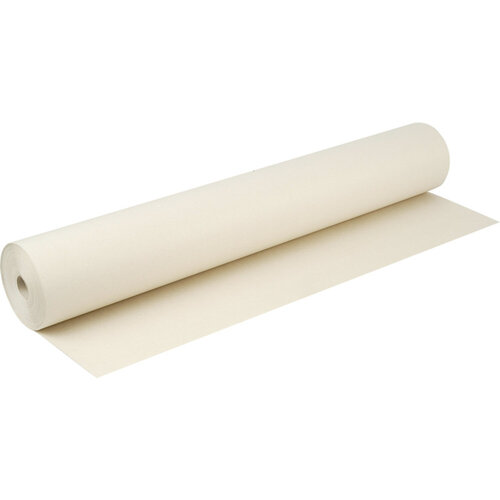
Double Roll Lining Paper - 20m x 0.53m - 1400g
2000-grade natural matt lining paper, 20m x 530mm roll, interior use.
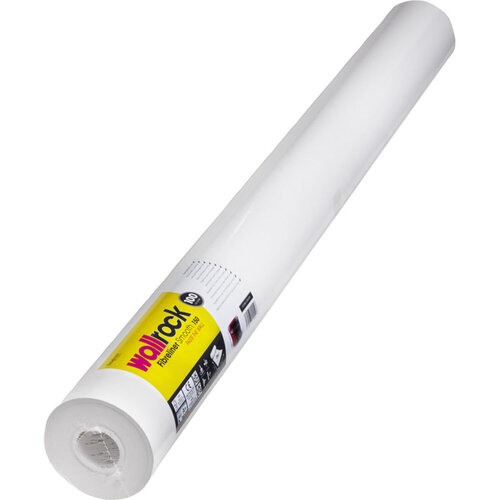
Wallrock Fibreliner Smooth Double - 20m x 100cm
Smooth lining paper for walls, 20m x 100cm, hung straight from roll
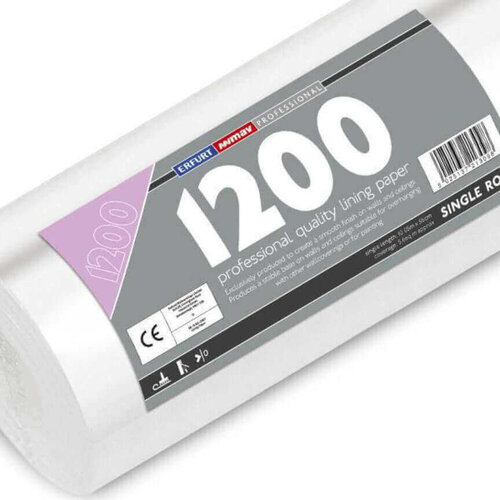
Lining Paper - 1200 gauge
1200 gauge lining paper for wall preparation
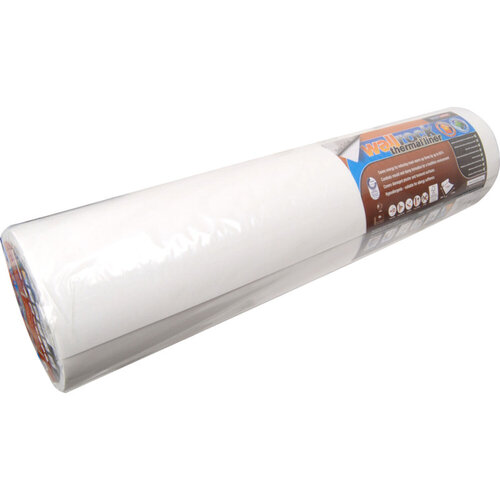
Wallrock Thermal Liner - 10m x 75cm
10m x 75cm thermal lining paper, reduces warm-up times by up to 65%.
For the Trade
Start with the wall and the job, not the finish. If you’re dealing with tired plaster, hairline movement or a patchy repair, lining paper is usually chosen to even things out before the topcoat goes on. Where the surface is already sound, you can stay lighter and keep the spec simple. Rougher walls need more from the paper, so a heavier grade is the one that saves you grief later. Paintable lining paper is the usual call when the end finish is paint. Decorative grades only make sense when the spec wants the paper to do more of the work.
Lining Paper Options Compared
For most jobs, you’re choosing between standard lining paper and the heavier grades. Lining paper rolls are the usual pick when you want fewer joins and a quicker run through the room. Sheets only really make sense where access is awkward or you’re working around tight areas.
Smooth lining paper suits a cleaner finish under paint. Heavy duty lining paper is the one you reach for when the surface needs more cover and a bit more forgiveness. The trade-off is simple. The heavier the paper, the more it will hide, but the less easy it is to handle neatly.
If you’re matching the rest of a scheme, Wallpaper & Coverings is the parent range to check next.
Choosing Materials and Size
If the wall’s sound and you only need a base for the finish, standard lining paper keeps the job economical.
Move to thick lining paper when you need more tolerance over minor defects. It gives you a bit more cover, but it’s less easy to trim and handle.
Wide lining paper suits longer runs where fewer joins matter. You do need the room to work it properly, so it only pays when access and space let you keep the install clean.
If you’re ordering the rest of the job, sort your Pasting Tables and Wallpaper at the same time so you’re not changing the spec halfway through.
Completing the Setup
Once you’ve settled on the lining paper, the next call is what’s going over it and what else the room needs. If it’s being painted, keep the surface as even as you can and order your paintable lining paper with the rest of the decorating materials.
If the finish is going straight to wallpaper, check the paper weight against the wall prep. A heavier grade will hide more, but poor jointing still shows through if the substrate isn’t right.
On bigger runs, get your pasting tables and wallpapering tools sorted at the same time. The job slows down fast when you’re missing one part of the setup.
Related searches
Local availability for Lining Paper








