Garden Sieves
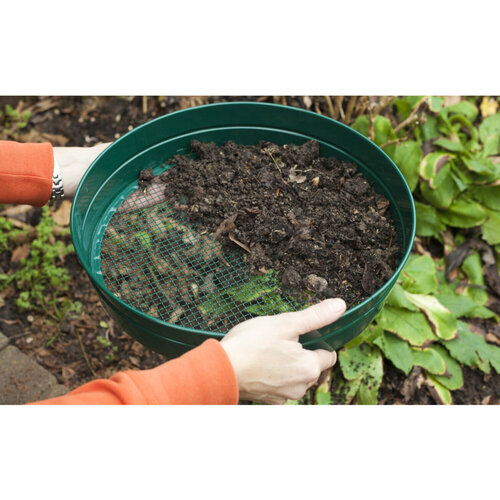
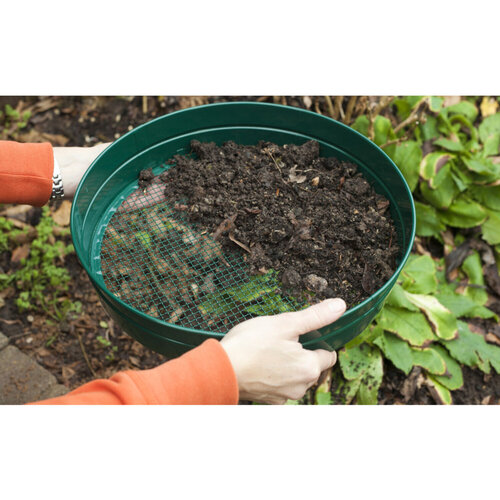
Garden sieves come down to mesh size, frame strength and how much material you’re shifting. A finer mesh suits topsoil and compost when you want a cleaner finish, but it clogs sooner and takes more shaking. A heavier frame is worth it if you’re working rougher material or using it all day, because a light one soon starts to flex. Most lads only notice the difference when the mesh sags or the frame twists - that’s when the cheap option costs you time.
Metal Riddle - 1/2"
Metal garden sieve, 1/2 inch mesh, for removing stones and debris from soil
Metal Riddle - 1/4"
Metal garden sieve, 1/4 inch mesh, for removing stones and debris from soil
For the Trade
Start with the space you’ve got and how the material’s being used, then the choice gets clearer. If you’re working compost or topsoil, a tighter mesh usually saves you chasing lumps later. A more open mesh is easier when the material is coarser or damp. Frame strength starts to matter once you’re handling heavier loads or rough spoil, because that’s where a flimsy sieve bends and comes back. For small, tidy jobs, keep it simple. If you’re processing more material, pick the one that’ll hold its shape and keep moving.
Garden Sieve Options Compared
When you’re choosing between garden sieves, start with what you’re screening and how fine you need the finish. A soil sieve suits finer material when you want a more even result. Compost sieves work better with rougher mix, where you want to hold back the larger bits.
A topsoil sieve sits in the same decision, but it comes into its own when the job is more about grading than simply shifting material through. The usual mistake is buying one mesh for everything. It blocks too quickly, or lets too much through. If you’re matching the rest of your Garden Hand Tools, that usually tells you whether you need a lighter all-rounder or a more specific sieve for the material in front of you.
Choosing Materials and Size
Mesh size and frame strength usually decide it.
Go finer when you’re finishing compost or screening topsoil for a cleaner grade. You get a better finish, but it slows the job and clogs sooner if the material is damp.
A coarser mesh clears faster and handles rougher spoil better. The trade-off is a less refined result.
Frame depth matters too. Shallow units are easier to tip and empty. Deeper garden sieves hold more material, but they are heavier to work through.
If the job is more about breaking down roots or woody waste, you are often into Axes or Bow Saws instead.
Completing the Setup
Once you’ve picked the sieve, the next call is what you’re doing with the graded material. If it’s going back into beds or a mix, keep it in storage that stays clean and dry. If you’re moving spoil or compost around site, a garden trolley takes the carrying out of it.
If the job also includes edging or tidying the surrounding area, the finish is often set by the next tool in your hand, not the sieve itself. That’s why garden sieves usually sit with the rest of your garden hand tools rather than being bought on their own.
Related searches
Local availability for Garden Sieves

