Flooring & Carpet Adhesives
Pick your flooring adhesive by the floor covering first, then by the job speed and the grab you need. Carpet adhesive, vinyl floor adhesive and lvt adhesive all behave differently once they’re down, and the wrong choice can lead to movement, telegraphing or a call-back. If you’re working to a tight programme, pressure-sensitive or tackifier products give you more control on the fit. Full-bond options suit jobs that need a firmer hold. For carpet fitting adhesive and carpet glue, the backing and traffic level matter as much as the room.
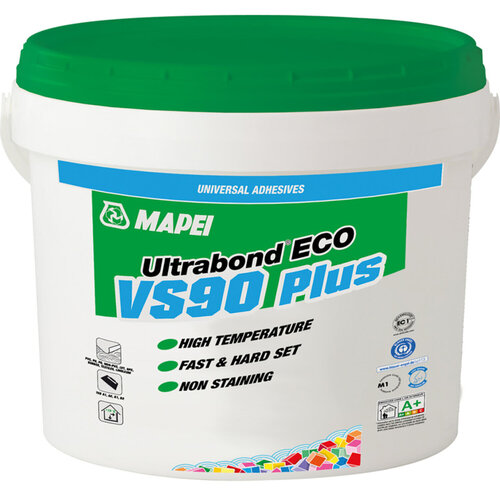
Ultrabond Eco VS90 Plus - 5kg
Fast-setting solvent-free adhesive for rubber and vinyl flooring, 5kg
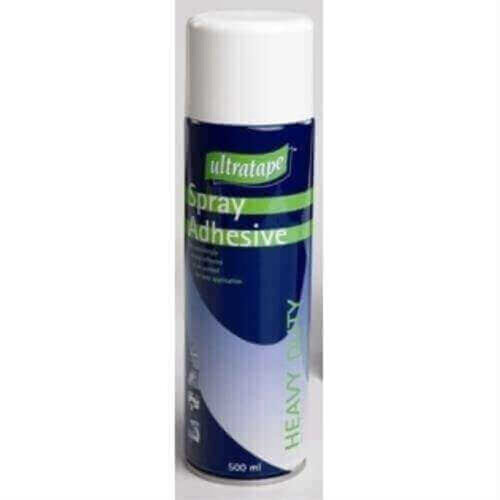
Ultratape Spray Adhesive Heavy Duty for Carpets - 500ml
Heavy duty spray adhesive for carpet and flooring installation, 500ml
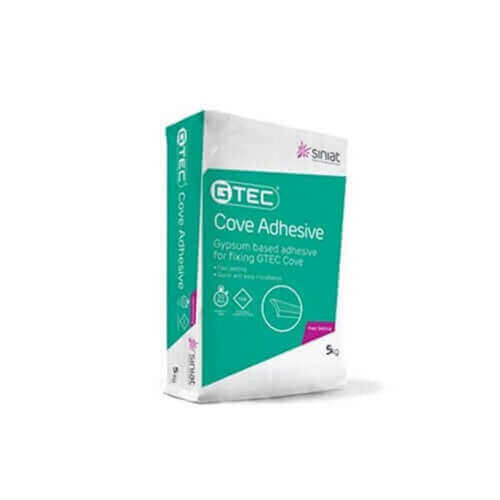
Cove Adhesive
5kg cove adhesive for GTEC Cove 90 and 120
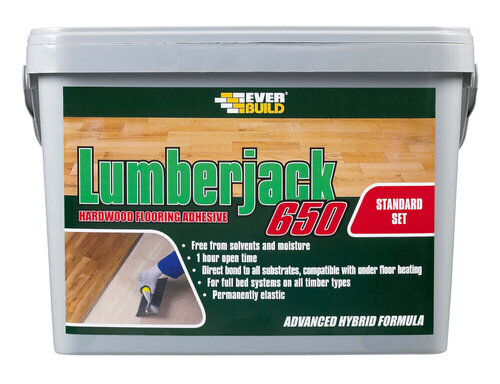
Everbuild Lumberjack 650 Hardwood Flooring Adhesive - 14kg Buff
14kg flexible non-curl hardwood flooring adhesive for interior subfloors
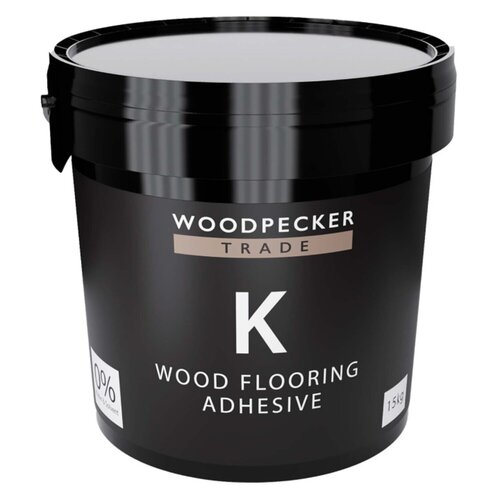
Flexible Wood Flooring Adhesive - 15kg
15kg flexible wood flooring adhesive for engineered and solid wood flooring.
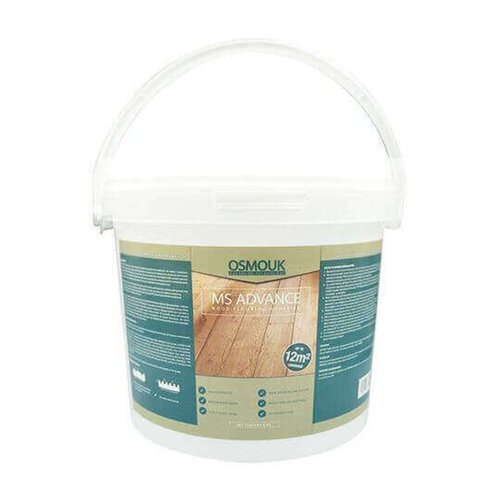
OSMO MS ADVANCE Flexible Wood Flooring Adhesive - 8kg
Osmo MS Advance flexible wood flooring adhesive, 8kg
Mapei Eco Acryl Adhesive Vinyl / PVC / Rubber - Ditra Mat VS90 - 5kg
Solvent-free, high temperature acrylic adhesive for bonding vinyl, PVC, rubber a…
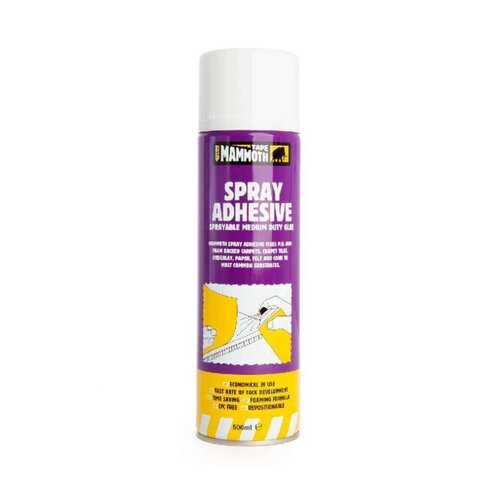
Everbuild Mammoth Flooring Carpet Spray Adhesive - 500ml
Heavy-duty carpet spray adhesive, halogen and CFC free, 500ml
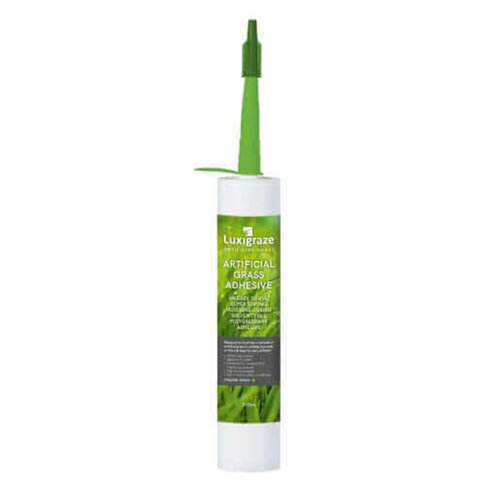
Luxigraze Artificial Grass Adhesive - 310ml
Green moisture-curing polyurethane adhesive for artificial grass, 310ml
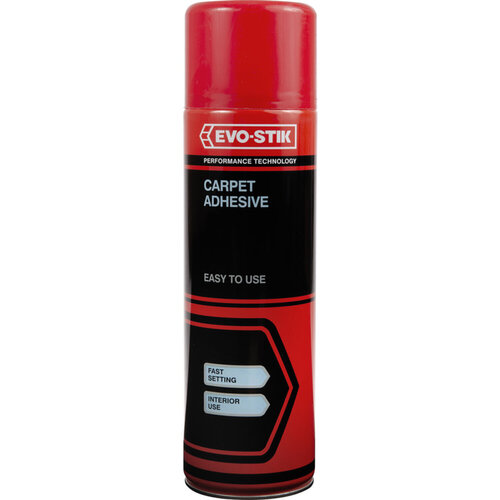
Evo-Stik Carpet Adhesive - 500ml
500ml interior carpet adhesive for foam backed carpets, underlay, and tiles
For the Trade
Start with the covering and the subfloor, then work out how much grab you need and how much working time you can live with. Carpet adhesive usually needs a different hold to vinyl or LVT adhesive, and that is where jobs go wrong when the spec gets treated as generic flooring adhesive. For carpet fitting adhesive, check whether you need a firmer hold or a tackifier for tiles. A sheet that moves is the one that comes back. If the floor is awkward, the adhesive choice matters more than the name on the tub.
Popular Flooring & Carpet Adhesive Formats
The first split is usually between a standard floor adhesive and a flooring glue that gives you more control over spread and open time. For broad areas and straightforward jobs, a general flooring adhesive keeps things simple.
When you need more working time, pressure sensitive flooring adhesive is the one to reach for. It lets you place and adjust without rushing the first pass.
Vinyl flooring adhesive and laminate flooring adhesive are more specific, so you’re not paying for a one-size-fits-all product when the covering calls for a tighter spec. Spray flooring adhesive suits awkward runs and fast turnaround work, but you give up some control on coverage, so it is not the one for every room.
If you’re comparing the full range, Adhesives & Glues is the parent hub.
Key Differences When Choosing
Material choice changes the handling as much as the finish, so start there. A wood floor adhesive is usually the pick when you want a firmer bond and a bit more movement tolerance, but it won’t spread as easily as a lighter floor adhesive.
Carpet adhesive and carpet glue are the quicker call for textile jobs. For vinyl or LVT, a flooring adhesive usually gives a flatter bed and less chance of telegraphing through the surface. If the job is more specialist, Mirror Adhesives and Contact Adhesives sit outside this choice - different fix, different risk, different result.
Next Decisions After Choosing
Once the flooring adhesive is picked, the next call is usually what finishes the room and what needs fixing down around it. If you’re still sorting the surrounding work, look at the wall and trim items that affect the last bit of the job - panels, screens, storage and the like - because they often change where you need a cleaner edge or a different adhesive line.
That’s where the job stops being just about the floor covering and starts being about the whole finish. A sheet that has to meet a panel or a fixed screen usually needs a neater set-out than an open run. That’s the bit that gets noticed if it’s rushed.
Related searches
Local availability for Flooring & Carpet Adhesives








