Anti Climb Paint
Anti climb paint is usually chosen for exposed gates, fences and walls where you want a tacky finish that makes access harder without changing the structure. The main call is how visible you need it to be and how much maintenance you can live with - darker colours tend to be less obvious, while lighter finishes show up more and make touch-ups easier to spot. On rough or dirty substrates, coverage and recoat time are where jobs get held up, so surface condition matters more than people expect.
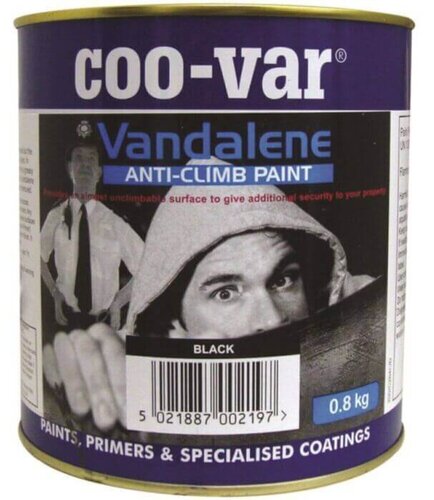
COO-VAR Vandalene Anti Climb Paint - 1L Black
Black anti-climb paint (1L) with non-drying, slippery coating to deter intruders
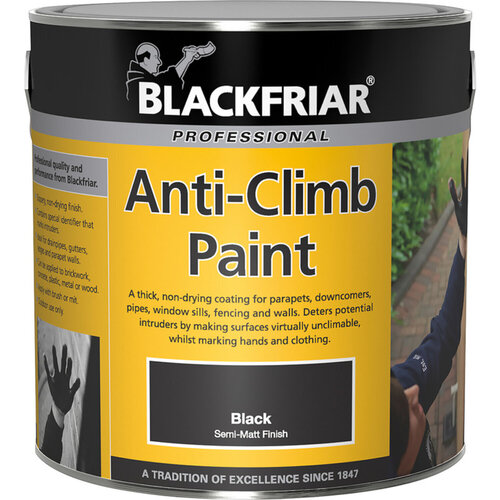
Blackfriar Anti-Climb Paint Black - 1L
Blackfriar Anti-Climb Paint Black, 1 litre, matt, outdoor.
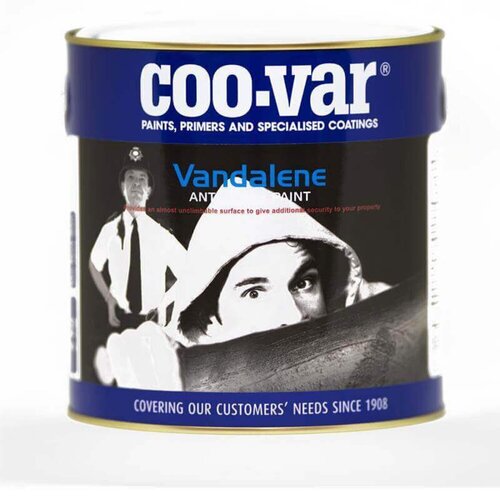
COO-VAR Vandalene - 4kg Black
Thick, non-drying anti-climb paint, black 4kg, with hidden identifier
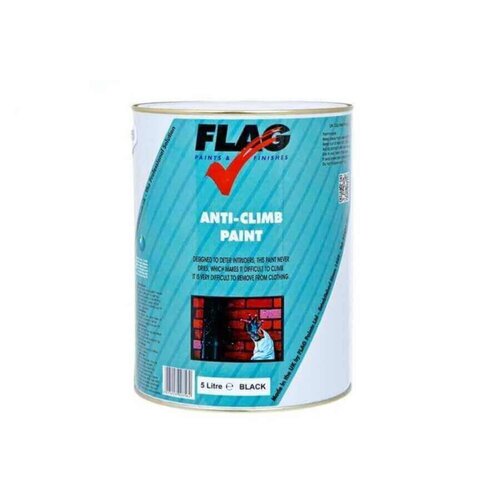
Flag Paints Anti Climb Paint - 5L Black
Black anti-climb paint for external walls and surfaces, 5L
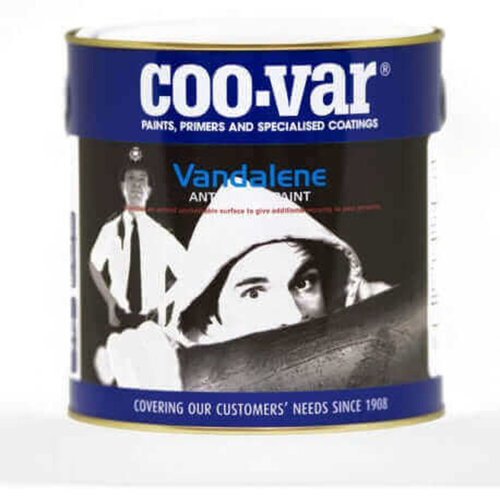
COO-VAR Vandalene Anti Climb Paint - 2kg
2kg anti-climb paint to deter climbing and unauthorised access
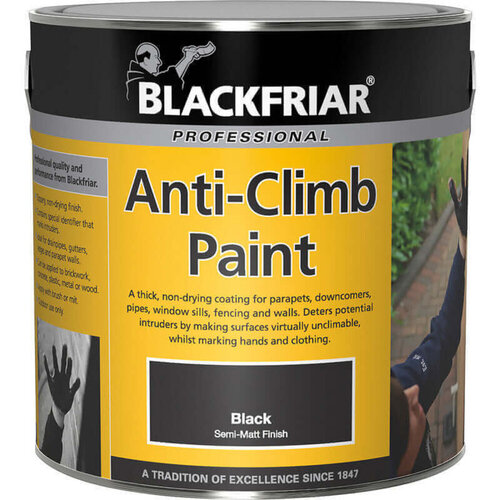
Blackfriar Anti Climb - 2.5L black
Thick non-drying black anti-climb paint, 2.5L, outdoor use
For the Trade
You’re usually choosing between deterrent level, finish, and how much maintenance you can live with. Anti climb paint is the one you pick when the brief is to make access awkward rather than just mark a boundary, but the job still needs a sensible finish and a clear warning. Darker colours tend to stay less obvious, while lighter ones show up sooner and need more attention. If the surface is already battered or heavily weathered, expect the coating to need checking more often - that’s where call-backs usually start.
Anti Climb Paint Options Compared
For exposed runs, anti climb paint for fences is the one you reach for when you want a broad, awkward surface that discourages handholds. It suits long boundary lines where access points are obvious and you need coverage across a larger span. The trade-off is a less discreet finish.
Anti climb paint for walls makes more sense where you are protecting a boundary face rather than a frame. It gives you a cleaner fit on masonry or similar vertical runs, but it is less suited to moving parts.
Gates usually need a neater finish, so anti climb paint for gates is the better call when movement and regular use matter more than covering every inch. It keeps the job tighter, though you may give up some coverage compared with a fence run.
Colour comes down to visibility and upkeep. Anti climb paint in black is usually the least noticeable. Anti climb paint in green or white is chosen when you need it to sit with the surrounding work. If you are comparing it with the rest of the Specialist Paint range, this is the one where the surface layout matters more than the finish.
Choosing Materials and Size
What changes the buy is the surface, not the label. On new or bare work, coverage is usually tighter because the substrate drinks more in, so allow for a heavier spread and a sensible recoat window.
Previously painted surfaces are different. If they’re sound, you are mainly checking adhesion and how much build you need to keep the finish even. Repaired areas can flash through or take more paint than the surrounding face, and that is where call-backs usually start.
If you are also picking up Furniture Paint or Radiator Paint, keep the system separate. The substrate and drying time drive the choice, not the job name.
Completing the Setup
Once you’ve picked anti climb paint, the next call is what the surface needs before it goes on. Bare or patchy work usually needs the right primer or undercoat first. Skip that, and you end up chasing adhesion and coverage on the job.
If the area is already sound and coated, the check is compatibility and how much prep you can get away with. Then it comes down to the practical bits - brushes, rollers, and masking that suit the surface and the access. That is where call-backs usually start. Not with the paint itself, but with the parts around it that were rushed.
Related searches
Local availability for Anti Climb Paint


