Decorators Caulk
Decorators caulk is the one you pick when you need a paintable finish on internal joints and small gaps, not a sealant that has to stay exposed. Acrylic caulk is the usual choice for standard trim and frame work. Go for quick drying caulk when you need to paint back sooner. Use a more flexible grade where movement is more likely. White decorators caulk is common, but shrink is the bit to watch once it’s painted.
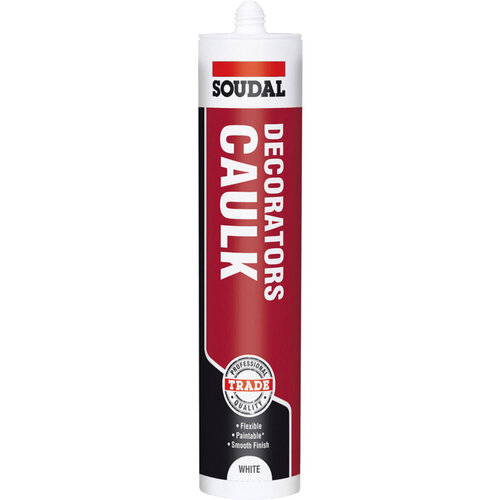
Soudal Decorators Caulk - 290ml
White interior decorators caulk, 290ml, paintable flexible filler
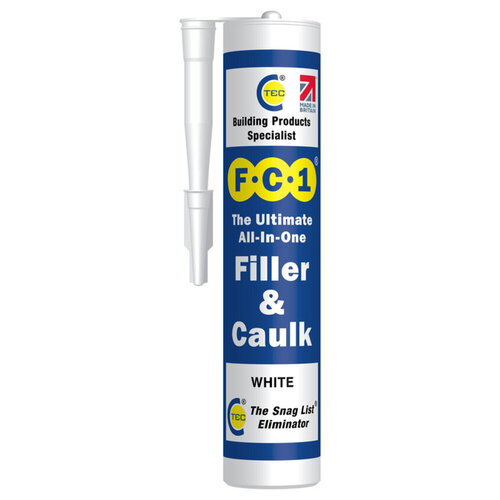
C-Tec FC1 Unique All-In-One Filler and Caulk - 310ml
Quick-drying white filler/caulk, 310ml – slump-free up to 25mm
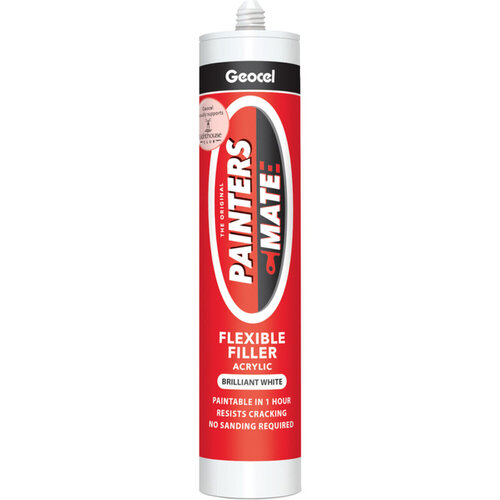
Geocel Painters Mate Decorators Caulk - Geocel Painter's Mate White 310ml
White flexible acrylic filler 310ml, paintable in 1 hour, interior/exterior
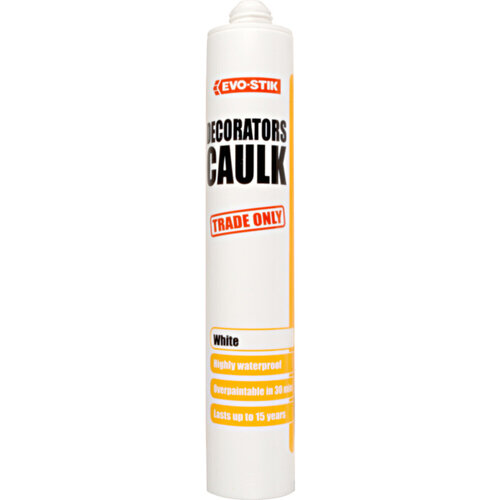
Evo-Stik Trade Decorators Caulk - 380ml
Water-based interior caulk 380ml, paintable in 1 hour, fills fine cracks
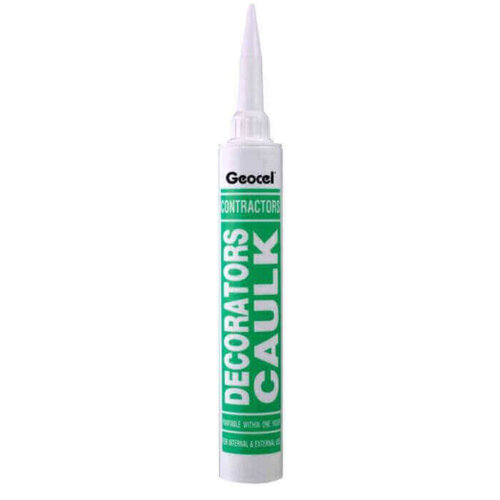
Geocel Contractors Caulk - 380ml White
380ml white flexible acrylic caulk for sealing gaps and cracks prior to decorati…
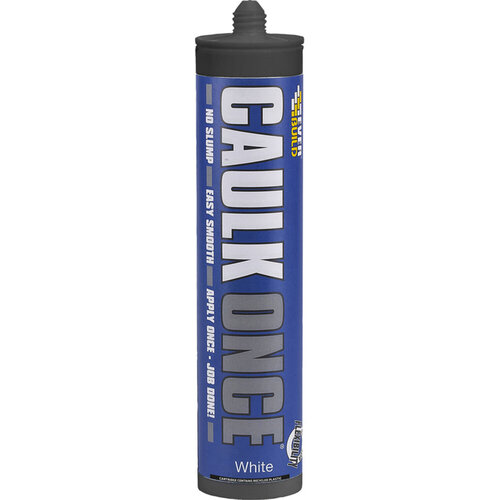
Sika Caulk Once, White - 380ml
Interior white acrylic caulk, paintable in 1 hour, 380ml
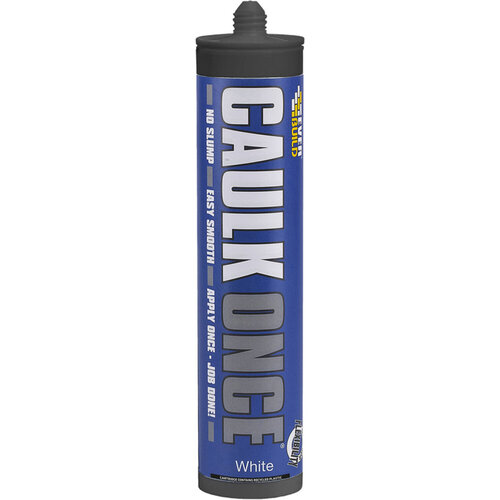
Sika Caulk Once, White - 295ml
Interior white acrylic caulk, paintable in 1 hour, 295ml
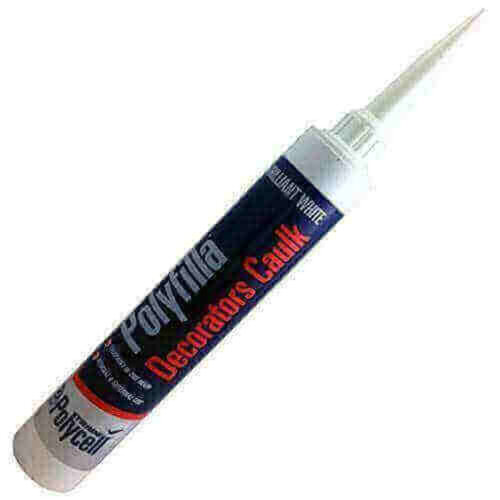
Polycell Trade Caulk - 380ml White
White acrylic decorators caulk, 380ml, smooth finish, no sanding required.
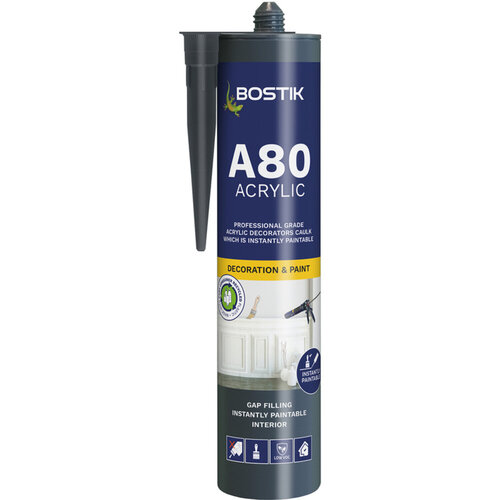
Bostik Pro A80 Acrylic Decorators Caulk - 310ml White
Professional white decorators caulk 310ml, instantly paintable interior filler
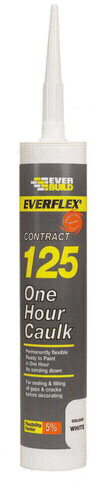
Everbuild Everflex Contract 125 One Hour Caulk - 300ml White
300ml white decorators filler and sealant that is fast drying and overpaintable
For the Trade
What usually decides it is the finish you need and how much movement the joint will see. For straight internal gaps where you want a paintable line, decorators caulk is the normal call. If the joint is likely to keep opening and closing, a more flexible acrylic caulk saves you chasing cracks later. Quick drying caulk helps when the job is moving and you need to paint on, but it gives you less time to tidy the bead. White decorators caulk is still the common choice for most decorating work. A poor substrate or a wide gap is what usually causes the call-back, not the colour.
Decorators Caulk Options Compared
Start with the finish you need and how soon you want to paint over it. Standard acrylic caulk suits general internal work. It gives you a neat line without paying for performance you will not use.
Trade decorators caulk is the better call when you want a bit more body and a cleaner finish on repeat jobs. The trade-off is usually price. White decorators caulk works when the joint is staying white or you want the line to disappear before decorating.
For the wider range, Sealants, Silicones & Tools is the parent counter to check.
Choosing Materials and Size
If you’re picking decorators caulk for a job, start with how much movement you’re dealing with and how soon you need to get back over it. Acrylic caulk is usually the one for internal work. It’s lighter to handle and easier to run and tidy. The trade-off is the finish feels different from enamelled steel or cast iron, so don’t expect the same result under the knife.
Quick drying caulk suits a tight programme, but it gives you less time to work the joint. If you’re already ordering Caulking Guns, match the cartridge to the gun rather than forcing a poor fit. When the job needs more grab than a filler-style joint, Hybrid Sealants & Adhesives is the one to move to.
Completing the Setup
Once you’ve settled on decorators caulk, the next call is what’s going around it. If the job includes panels, screens or fitted furniture, sort the finish before you leave the counter. A neat line is only part of it. The wrong adjacent finish is what brings you back.
For storage, wastes and other visible fittings, white decorators caulk is often the cleaner call where the joint stays white rather than being painted out. If you’re moving straight on to other sealant work, keep the rest of the kit in the same order so you’re not mixing products on the van for no reason.
Related searches
Local availability for Decorators Caulk

















