Fluorescent Starters
If you’re replacing a failed fitting, check the starter type and the tube it’s matched to first. Get that wrong and you’re back with a dead lamp. Fluorescent starters are usually bought as a straight replacement. The main job is matching the correct format for the fitting, not chasing extra features. A lot of call-backs come from mixing up a fluorescent tube starter with the wrong pin count or wattage, so match the existing unit before you leave the counter.
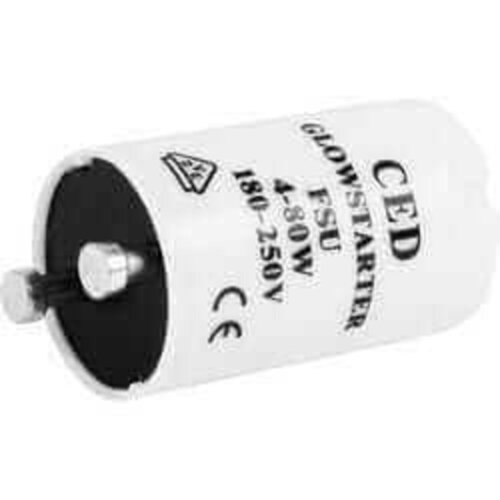
Fluorescent Starter - FSU 4-80W 240V
Fluorescent glow starter for 4-80W tubes, 220-240V, conforms to BS 60155
Deligo S80 Starter Switch - 80W
Starter switch for fluorescent lighting, 80W
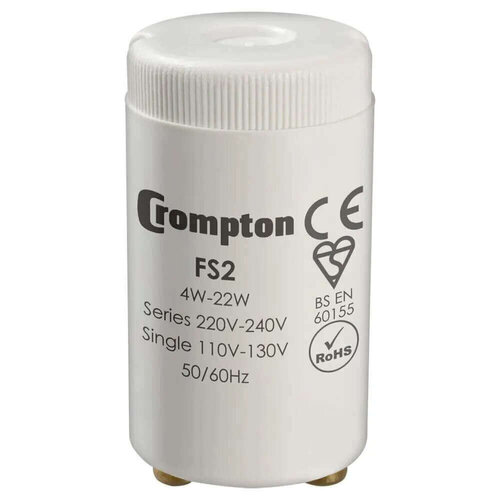
Crompton Lamps Fluorescent Starter Switch - 4-22W
Fluorescent starter switch for 4-22W tubes
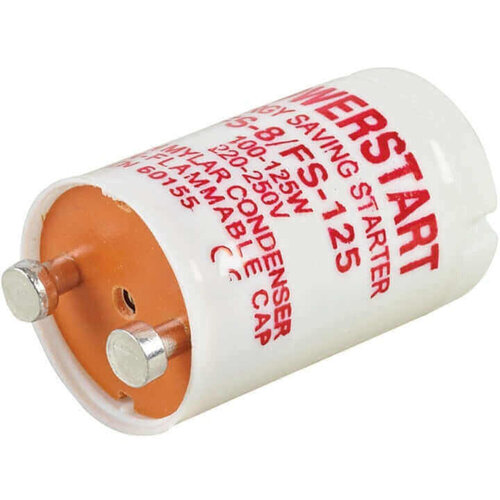
Fluorescent Starter - 125W
125W fluorescent starter for tube lighting systems
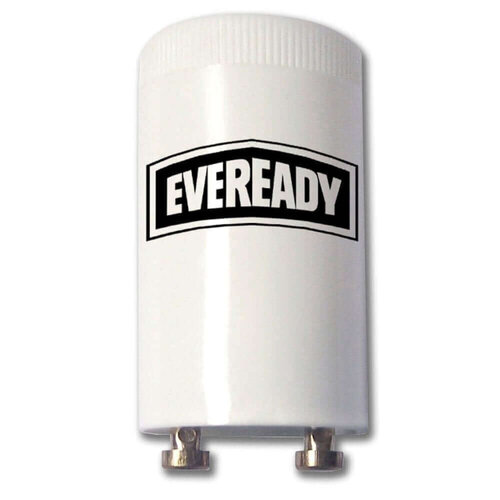
Eveready Fluorescent Starter - 70-125W
Eveready starter for 70-125W fluorescent tubes
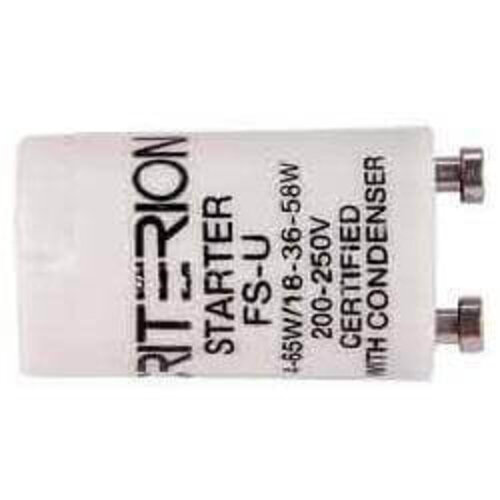
Select Hardware Fluorescent Tube Starter - Bonus Bag
Select Hardware fluorescent tube starter, bonus bag
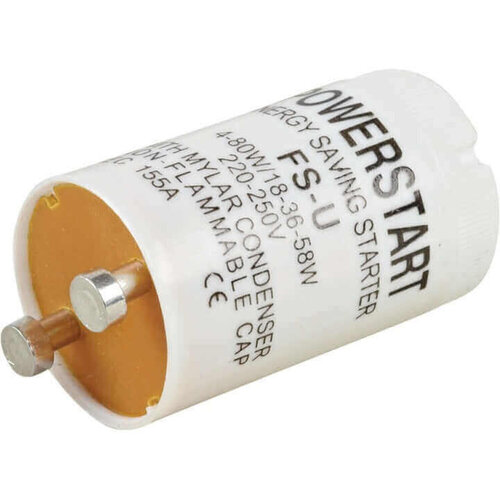
Fluorescent Starter - 4-80W
Fluorescent starter suitable for 4-80W tubes
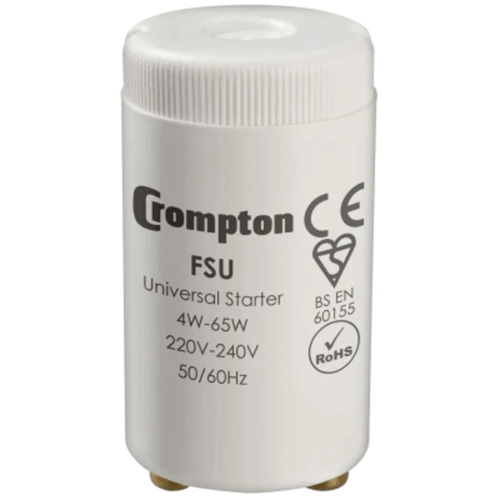
Crompton FSU-10 Glowstarter - 4-65W
Universal glowstarter switch for 4-65W fluorescent lighting
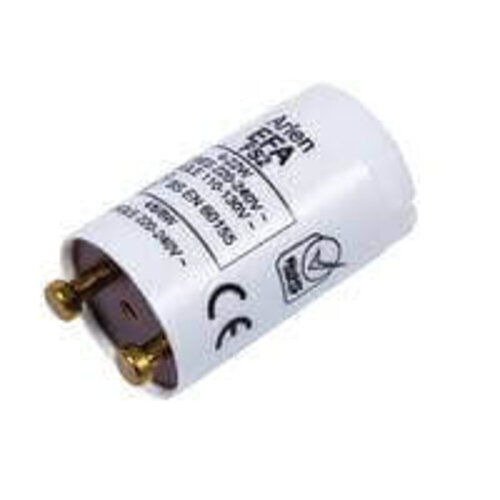
Niglon Fluorescent Starter Switch - 4-22W 110V series or 220/240V T
Fluorescent starter switch for 4-22W lamps, 110V or 220-240V
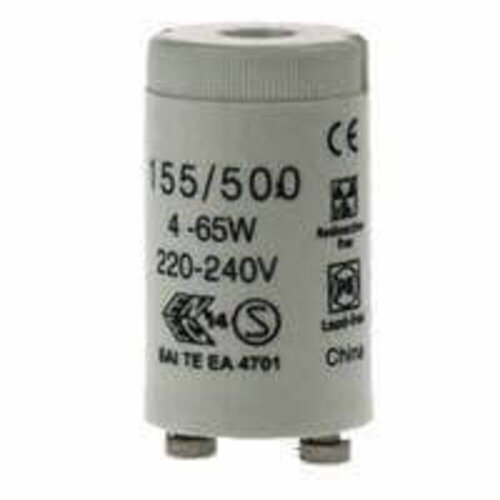
Niglon Universal Fluorescent Starter Switch - 4-65W 220-240V
Niglon universal fluorescent starter switch for 4-65W tubes, 220-240V.
For the Trade
Start with the fitting in front of you and the space you have to work in. With fluorescent starters, the lamp and holder usually drive the spec, not finish or extras, so the wrong pin count or rating is what slows the job down. A fluorescent tube starter that matches the fitting is the cleanest buy. A replacement fluorescent starter only makes sense when you are changing like for like and want the job back on quickly. If access is tight, check the exact starter for fluorescent tube before you leave the counter.
Popular Fluorescent Starter Formats
Most fluorescent starters are bought as direct replacements, so the first check is whether you need a standard fluorescent starter or a specific fluorescent tube starter for the fitting in front of you. A general fluorescent light starter suits the common swap-out job where you want the lamp back on without changing the gear. A fluorescent lamp starter or starter for fluorescent tube is usually the same thing in different wording.
A t8 fluorescent starter matters when the fitting calls for that format. Get that wrong and you are into repeat call-backs rather than a clean strike. If you are cross-checking the rest of the range, Lighting keeps the broader department in view.
Key Differences When Choosing
The first check is whether you are replacing like for like or clearing a batch of mixed fittings. Fluorescent starters are usually bought to match the lamp and fitting already in place, so pin count and starter type matter more than the label on the box.
A 2 pin or 4 pin unit will not swap cleanly, and a t5 fluorescent starter is not the same job as a t8 fluorescent starter. For a straight replacement, keep it simple. If the fitting is older or awkward, check the starter for fluorescent tube against the existing gear before you order. For jobs moving away from older gear, Downlights or Commercial Lighting may be the next conversation.
Next Decisions After Choosing
Once you’ve picked the right fluorescent starters, the next question is what else is changing around the fitting. If the job sits inside a wider refresh, commercial lighting and indoor lighting often get reviewed together so the spec stays consistent instead of replacing one failed part and leaving the rest to follow.
If the fitting itself is being changed, downlights or led batten lights may be the cleaner move, but that is a different purchase and usually a different programme. On older maintenance jobs, the starter is still the quick fix. The rest only comes into play when the fitting is tired as well.
Related searches
Local availability for Fluorescent Starters











