Tool Belts
Tool belts come down to what you’re carrying and how long you’re wearing it. On first fix, or when you’re loading heavier hand tools, a wider, more rigid setup makes more sense. For lighter second-fix work, a slimmer tool belt or pouch keeps bulk down and is less likely to snag. Leather gives you a stiffer feel and usually wears well. If one side is carrying the weight all day, a padded version is worth a look.
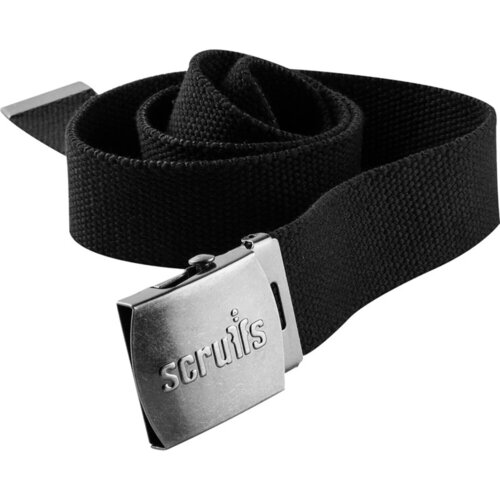
Scruffs Adjustable Clip Belt - One Size
Scruffs adjustable cotton work belt with clip buckle, one size.
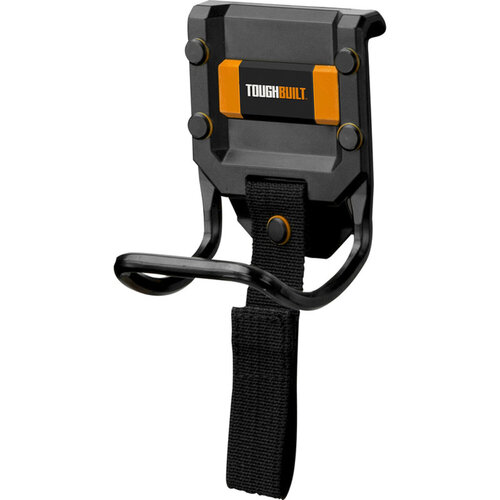
Toughbuilt Cliptech™ Tool Storage - Modular Hammer Loop
Modular ClipTech hammer loop for belts and pouches
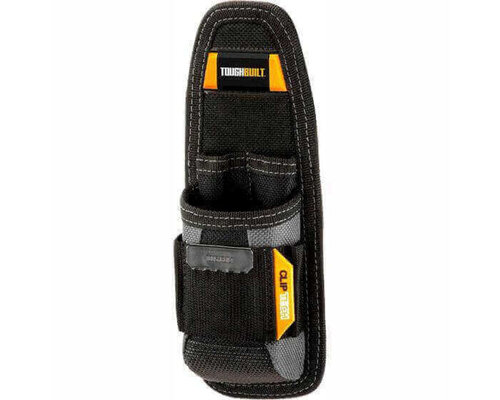
Toughbuilt Cliptech Utility Knife Screwdriver Pouch - 6 Pockets + Loops
6-pocket ClipTech tool pouch for quick belt attachment, holds utility knife and …
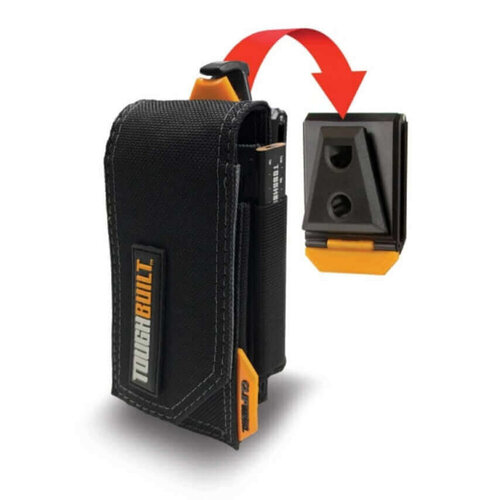
Toughbuilt Cliptech Electrician Pouch - Small
Small electrician pouch with 13 pockets and ClipTech belt hub
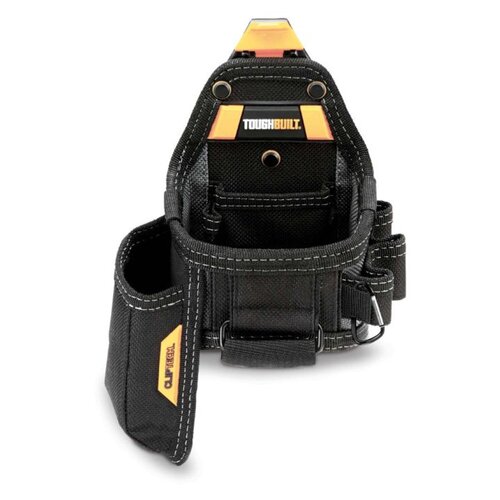
Toughbuilt ClipTech Tape & Knife Pouch - Black
Toughbuilt ClipTech tape and knife pouch with seven pockets
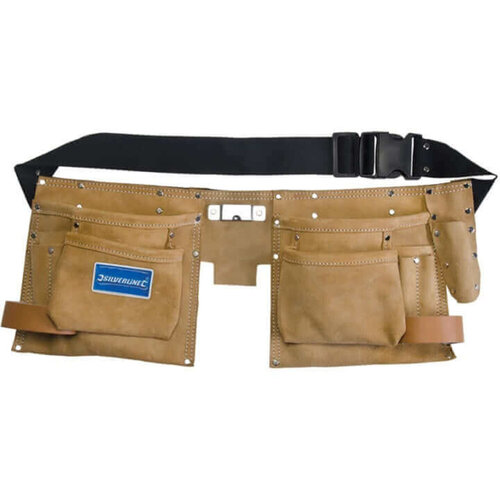
Leather Double Pocket Tool Pouch Belt - 8 Pockets
Heavy duty suede leather tool pouch belt with 8 pockets, 86-122cm waist
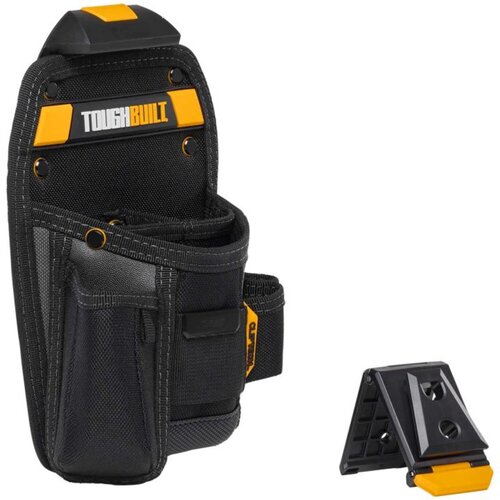
Toughbuilt ClipTech Universal Pouch with Knife Pocket - Black
Toughbuilt ClipTech tool pouch with knife pocket and eight loops
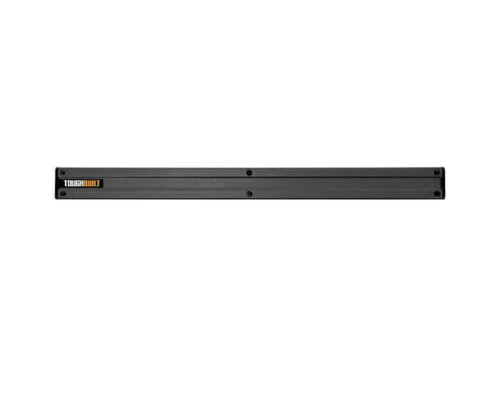
Toughbuilt Cliptech™ Tool Storage - 24" Wall/Van Organiser
24-inch ClipTech wall/van organiser for secure tool storage
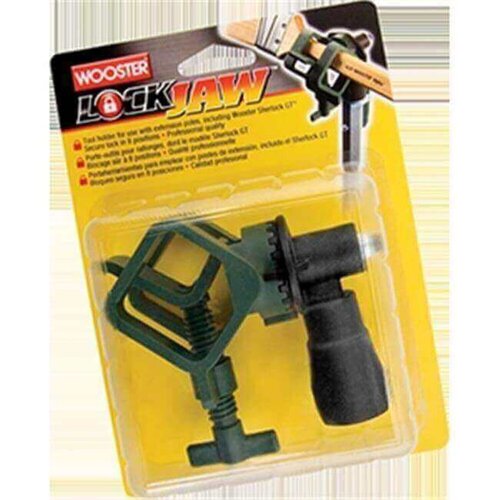
Wooster Brush Company Lock Jaw Tool Holder - Dark Green
Adjustable tool holder for secure attachment on extension poles
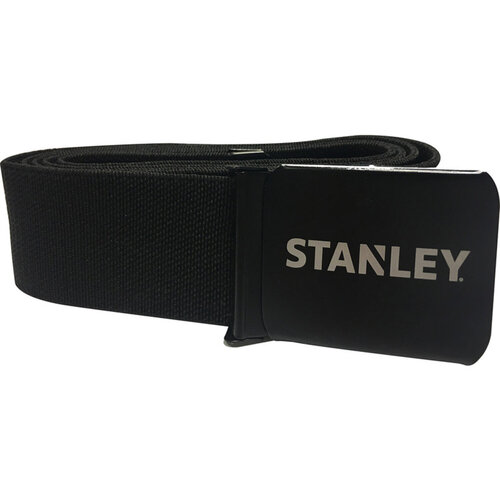
Stanley Clip Belt
Pack of 100 black clip belts with elasticated polypropylene webbing
For the Trade
Start with what you need to carry and how much room you’ve got on your waist. That sets the layout before you look at finish or extras. If you carry a fuller set, a wider tool belt with more structure usually keeps the load from pulling round. It can still get in the way where access is tight. A slimmer tool belt suits lighter, faster work and sits easier through the day, but you give up capacity. Leather tends to hold its shape better. Padded and adjustable options matter more when comfort and fit are the main checks.
Popular Tool Belt Formats
A plain tool belt suits light, fast-moving work when you only need the basics to hand. A double tool belt works better when you’re carrying more fixings and hand tools and do not want to keep reloading pockets.
A leather tool belt usually gets picked when you want something that holds its shape under daily use. The trade-off is a firmer feel on the waist.
Padded and adjustable options are worth a look if the belt stays on all day. Once it is loaded, fit matters more than a slim profile. Heavy duty versions suit heavier kit, but they add bulk.
For the rest of the kit, Tool Storage is where you would go when the belt is not enough on its own.
Key Differences When Choosing
What usually decides tool belts is the load, the fixings, and how much you want hanging off your waist all day.
If you’re carrying a hammer, tape, knife, pencils and a few fasteners, keep it simple. A lighter setup stays out of the way and is easier to move in.
If the kit keeps growing, go for a fuller layout. You avoid stuffing pockets and wasting time digging for tools.
Leather is still the pick when you want the belt to hold its shape. Padded or adjustable versions make more sense for long shifts, where the belt needs to sit right without digging in.
If the job means leaving kit in the van between runs, Vehicle & Site Safes are the next call. If you’re building out the rest of your storage, Tool Storage Drawers usually come into the conversation alongside it.
Next Decisions After Choosing
Once you’ve picked your tool belts, the next call is what needs to sit with them on the job. Loose fixings, blades and small parts usually go in organisers. Bigger kit is better kept in tool bags or tool backpacks, so you are not loading the belt up.
Back at the van, tool storage drawers or tool chests make sense when the belt only needs to carry the day’s working kit. If you are leaving expensive bits on site, sort vehicle & site safes early.
Related searches
Local availability for Tool Belts




