Axes
Axes come down to what you’re cutting and how much control you want in the hand. A splitting axe or splitting maul suits log work because the heavier head does the work. A shorter hand axe is easier to carry and quicker for lighter chopping. Fibreglass handles take more abuse on site, while a traditional timber handle usually feels better in the swing and is easier to live with if you’re using it all day.
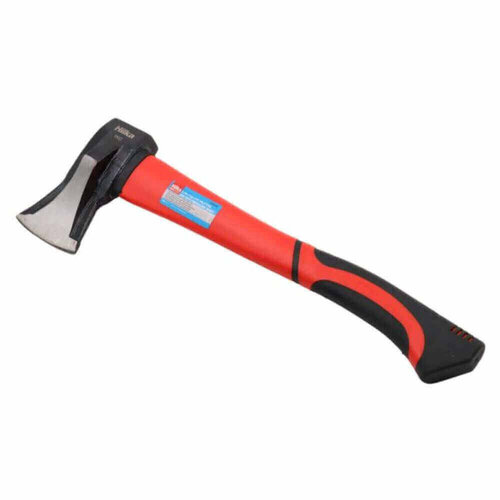
Hilka Log Splitting Axe with Fibre Glass Shaft - 1kg
1kg log splitting axe with fibreglass shaft and dual wedge head
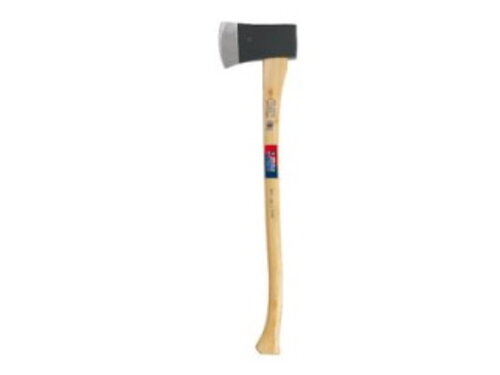
Hatchet - 4.5lb
4.5lb hatchet
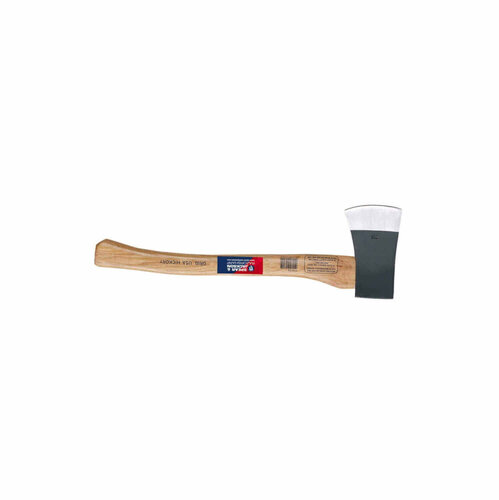
Spear & Jackson Hickory Shaft Hatchet - 2.5lb
Spear & Jackson hatchet with hickory shaft, 2.5lb, drop forged carbon steel head…
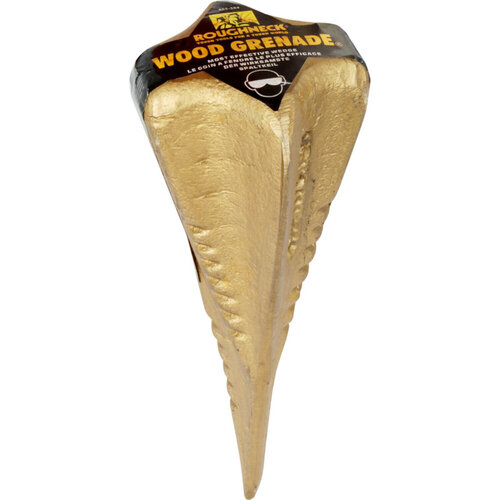
Roughneck Wood Grenade - 175 x 92 x 82mm
Manganese steel splitting wedge for logs, 1.6kg
For the Trade
Start with what the job asks of the tool. Felling, chopping, and splitting all point you towards different axes, and the wrong shape is where most complaints start. If you’re working all day, balance and handle length matter more than a flashy head. A tool that feels lively for ten minutes can be tiring by the end of the shift. Long handled axes usually give you more reach and drive. A compact hand axe is easier to carry and control in tighter spaces. For heavier work, trade axes with a bit more head weight tend to do the grunt work better, but you give up some speed and finesse.
Popular Axes Formats
If you’re choosing between axes, start with the job in front of you. Felling axes suit cleaner cuts through standing timber. Splitting axes are for driving through rounds rather than slicing fibres, so you give up a bit of speed for more bite.
Hatchet axes suit control and one-handed handling when reach matters less. Camping axes sit in the middle for lighter site or outdoor work. Trade axes work when you want one tool for mixed jobs, but they rarely beat a specialist for outright performance.
For the broader Garden Hand Tools range, it’s the same rule every time - match the tool to the cut, not the label.
Key Differences When Choosing
Material is where most of the argument is. Wood chopping axes usually feel lighter and easier to move, so they suit work where you want quicker cuts and less strain over a run of jobs. Carbon steel axes usually give you a firmer face and stand up better to tougher daily use, but you do feel the extra weight when you’re carrying them about or working all day.
That handling difference matters as much as the cut itself. If the timber gets too awkward for an axe, Bow Saws make more sense. For tidier finishing around the job, Edging Knives & Mutts are the cleaner pick.
Next Decisions After Choosing
Once you’ve picked the right axe for the cut, the next call is usually what sits around it. If you’re clearing brash or taking out smaller limbs, bow saws save effort where a heavier head is overkill, and they leave less to tidy.
For edging and finish work, edging knives and mutts are the next buy. They give you a cleaner line without dragging a bigger tool through the area. Stopping at the axe often means swapping tools more than you need to.
Related searches
Local availability for Axes


