Inline Relays
When you’re choosing inline relays, start with the load, the control voltage and how much room you’ve actually got to tuck the unit away. Mini inline relays suit tight runs and lighter duties, while heavy duty versions are the better call where the current is higher or the relay will be worked hard. 12v inline relays and 24v inline relays are not interchangeable, and that’s where mistakes usually happen on site. If you want a neater finish, inline relay modules and inline relay connectors can save time, but only when the spec matches the job.
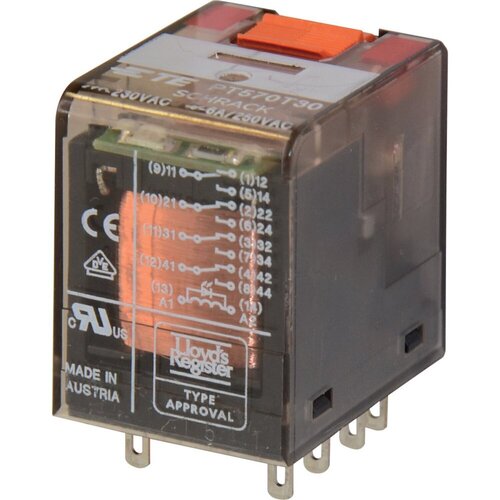
LS Industrial Systems 6A General Purpose Relay - 24VAC 14 Pin 4CO
4-pole 6A general purpose relay, 24VAC coil, 14-pin.
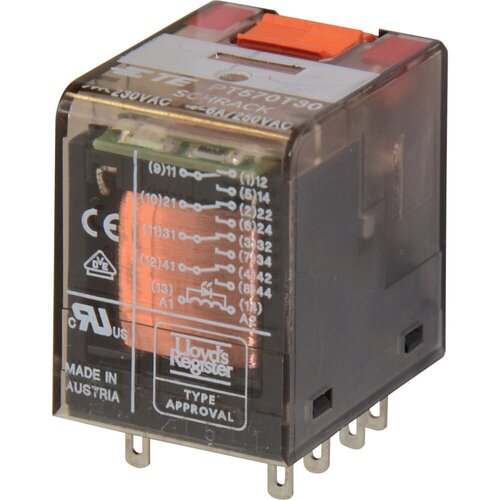
LS Industrial Systems 6A General Purpose Relay - 230VAC 14 pin 4CO
230V AC 4-pole 6A relay, 4CO contacts, 14-pin base
For the Trade
Start with the space you’ve actually got and how the relay will be used, because that usually rules out half the range before you get into finishes or extras. A compact inline relay module suits a tight run where you just need a clean control point. Go larger only if the job needs more capacity or a tougher build. Check the control voltage and the load together, then leave the connector style until last. That is where time gets wasted if you start with the wrong format.
Inline Relay Types and Layouts
You’re usually choosing between inline relay modules for neater control points, inline relay switches when you want a simple switched action, and 12v inline relays or 24v inline relays when the control side has to match the system already in place.
Mini versions suit lighter duties and awkward runs, but you give up some ease of termination and heat margin.
Heavy duty inline relays are the one to reach for when the load is harder or the call-back risk is higher.
If you’re working across a wider spec, keep the rest of the range in Domestic Electricals and pick the format that matches the job, not the other way round.
What to Check Before You Buy
Start with the space you have and the current the job needs. Mini inline relays suit tight enclosures and neat runs. The trade-off is less room for heavier terminations and less ease when you’re handling the wiring.
Move to heavier units when the load is less forgiving or the relay will be worked hard. They take more space, but they give you more margin on the job. Check the control voltage as well. 12v inline relays and 24v inline relays are not a straight swap. If you’re tying into Telephone Accessories or Alarms & Sensors, the relay has to suit the control side first, then the load.
Useful Alongside Inline Relays
Once you’ve picked the relay, the next call is how tidy the rest of the install needs to be. In a cramped void or behind existing gear, inline relay modules keep the control point neater and can save you from awkward rework later.
If the job needs a firmer termination, sort the inline relay connectors at the same time. Loose ends and poor joints are what usually come back to you.
For adjacent controls, trades often pull the matching bits from alarms and sensors or telephone accessories rather than making up a mixed setup.
Related searches
Local availability for Inline Relays

