Jacks, Stands & Ramps
jacks stands and ramps usually comes down to how high you need to work, how much clearance you’ve got, and whether the vehicle needs to stay supported or just lifted for access. Trolley jacks suit regular workshop use because they roll and lift quickly, while bottle jacks work better when space is tight and height matters. Axle stands are the part you don’t compromise on once the vehicle’s up - the jack lifts it, the stands hold it. Car ramps are quicker for routine underside jobs, but you still need the right approach angle and ground clearance.
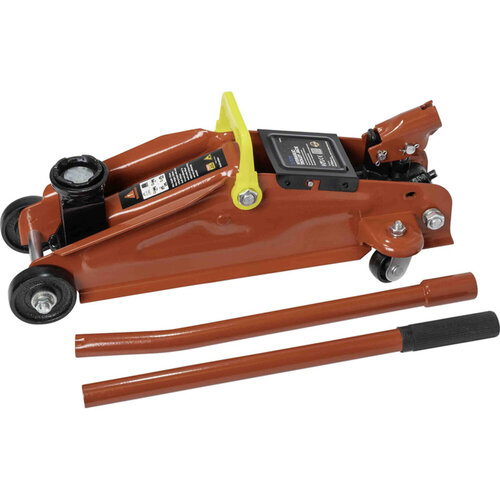
Minotaur Hydraulic Trolley Jack - 2 Tonne
2 tonne hydraulic trolley jack, red, 135–340mm lift range
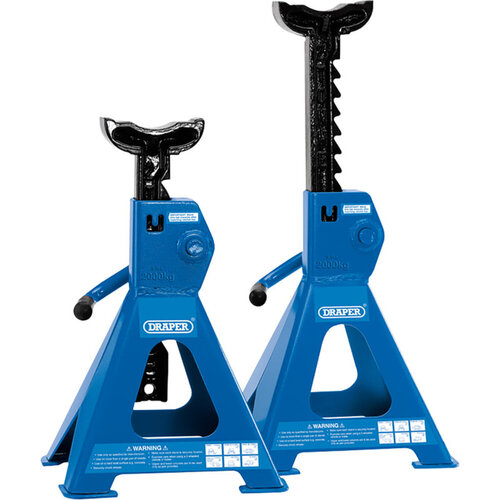
Draper Ratcheting Axle Stands - 2 Tonne 2 Pack
Draper 2 tonne ratcheting axle stands (pair) 277-435mm height
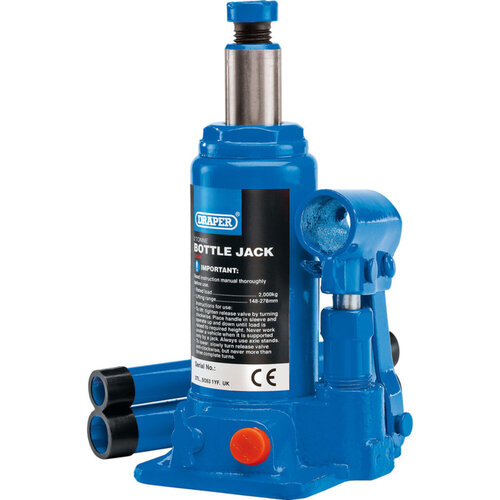
Draper Hydraulic Bottle Jack - 2000kg (2 Tonne)
2-tonne hydraulic bottle jack with overload protection and wide base
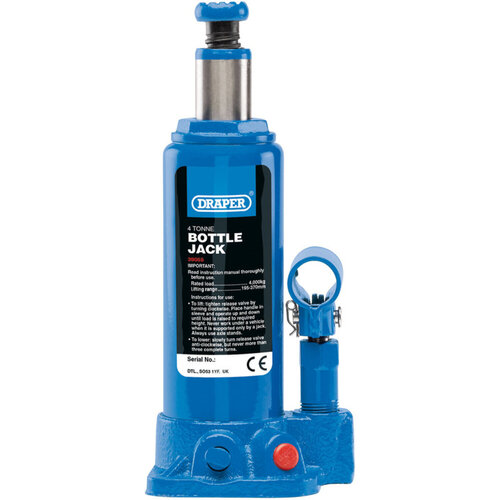
Draper Hydraulic Bottle Jack - 4000kg (4 Tonne)
4 Tonne hydraulic bottle jack with overload protection
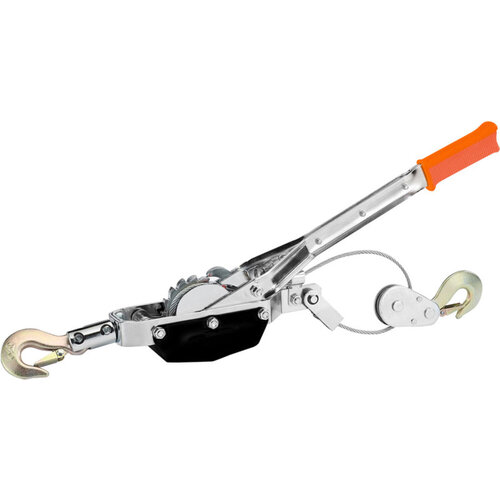
Pull Winch - 4000kg
Streetwize manual pull winch, 4 tonne, 1.2m cable
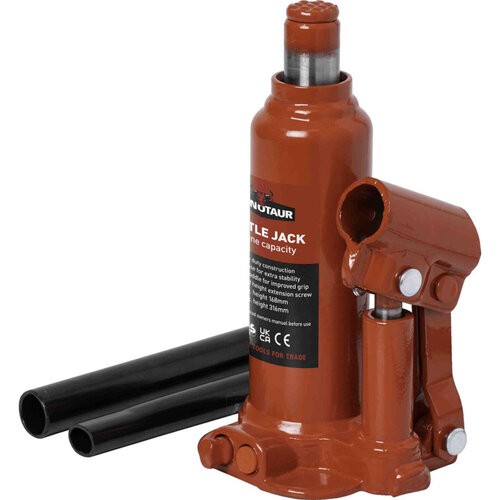
Minotaur Hydraulic Welded Bottle Jack - 2 Tonne
Minotaur 2-tonne welded hydraulic bottle jack in red
For the Trade
Start with the space you’ve got and how the job will be used. In a tight bay or where you need to get under low sills, a bottle jack often makes more sense. If you want quicker positioning and easier rolling, a trolley jack is usually the one you reach for. Car ramps suit jobs where you want the vehicle up and out of the way with less faffing. They’re no use if the front end sits too low to take them. The usual mistake is buying on finish or extras first, then finding the layout doesn’t suit the job.
Jacks, Stands & Ramp Options Compared
You’re usually choosing between lift, support, and access, but the layout matters as much as the height. A trolley jack is the one you reach for when you need to roll under the car and reposition the lift point; a bottle jack works where the body shape or storage space rules out a wider jack, but you give up easy movement on the floor. Axle stands are the proper support option when the vehicle has to stay up, and jack stands are the bit that turns a lifted car into a safe working setup rather than a quick lift. Car ramps suit front-end access when the approach angle and clearance are right, though they won’t replace a jack where you need the wheels off. Mechanic's Tools is the parent range if you’re matching the lifting gear to the rest of the bay.
Choosing Materials and Size
If the job is mostly access, ramps are usually the quicker buy. They’re easy to position and don’t take much room in the van.
If you need to lift from a point and work around awkward clearance, a jack gives you more control. The trade-off is slower setup and more handling.
Stands are the bit you don’t skimp on when the vehicle has to stay up while you work. A sheet that shifts is the one that gets called back.
For compressed-air kit elsewhere on the job, see Air Compressors and Air Tools.
Completing the Setup
Once you’ve picked the lift gear, the next call is what the bay needs around it. If the job stays in one place, a decent storage cabinet or trolley keeps tools and fixings close without cluttering the floor.
For longer underbody work, think about the bay finish and access as well. Clean walls, a wipeable screen, and enough clear space matter more than people admit. Plenty of jobs get slowed down by kit left in the wrong corner, not by the jack itself.
Related searches
Local availability for Jacks, Stands & Ramps

