Dust Extractors
Dust extractors come down to what you’re running, how much dust you’re shifting, and whether you need a corded unit that can sit on the job all day or a cordless dust extractor for lighter, more mobile work. A compact vacuum dust extractor suits smaller tools and short runs. Step up to an industrial dust extractor or m-class dust extractor when the job is heavier, the dust is finer, or the spec is tighter. Tank size alone is the wrong measure. If the airflow and filtration do not match the tool, you’ll be emptying it often and still chasing dust.
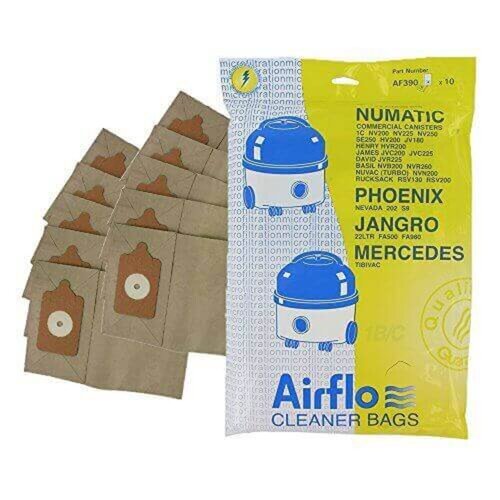
Numatic Paper Dust Bags SDB48 for Henry and Hetty Vacuum Cleaners - 10 Pack
10-pack of durable recycled paper dust bags for Henry and Hetty vacuum cleaners
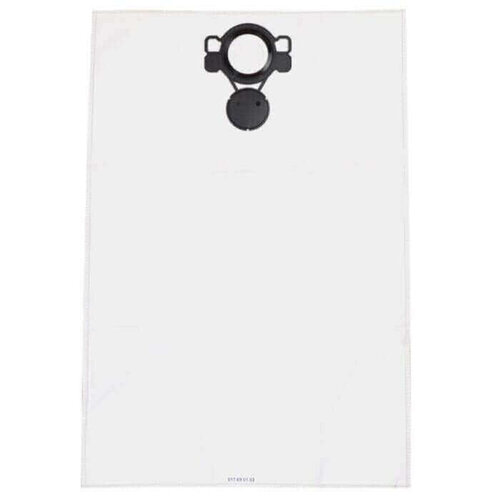
Mirka Dust Bag Fleece for 1230/1242 Dust Extractor - 5 Pack
Fleece dust bags (5 pack) for Mirka 1230/1242 extractors, 230x280mm
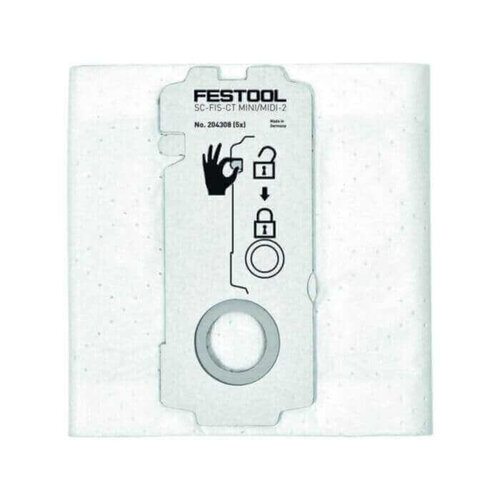
Festool CT Selfclean Filter Bag for Midi I - 5 Pack
Replacement SELFCLEAN filter bag for Festool CT MINI/MIDI dust extractors, 5-pac…
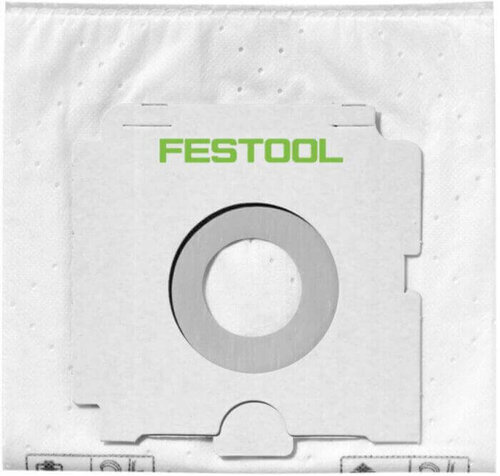
Festool SC FIS-CT SYS/5 Vacuum Filter Bag - 5 Pack
5-pack vacuum filter bags for Festool CTL SYS dust extractors
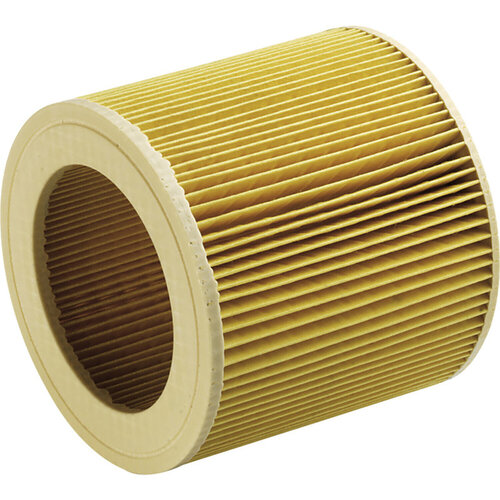
Karcher Wet & Dry Vacuum Cartridge Filter
Gold cartridge filter for Karcher wet/dry vacs, no filter change needed
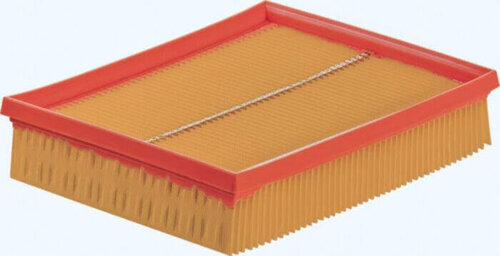
Festool Main Filter
Replacement main filter for Festool CTL MINI/MIDI dust extractors
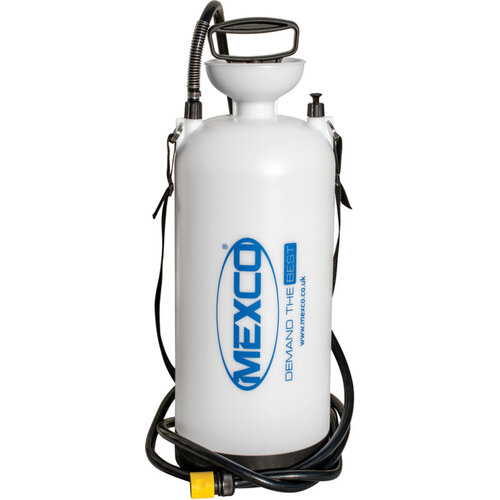
Mexco Pressurised Water Dust Suppression Bottle - 14 Litre
14L pressurised water bottle for dust suppression with cut-off saws, up to 3 bar…
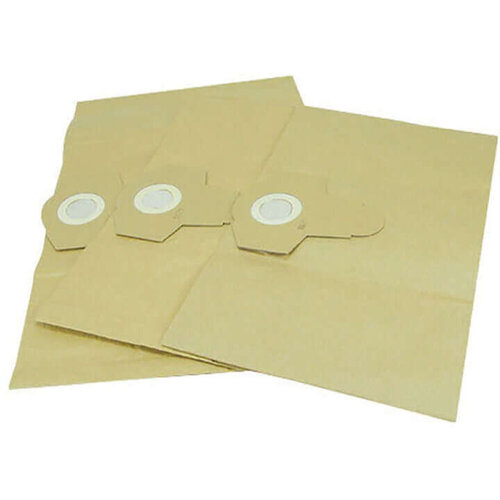
Dust Bag for Wet and Dry Vacuum Cleaner to Fit 6471100 - 5 Pack
5-pack dust bags for wet and dry vacuum cleaner model 6471100
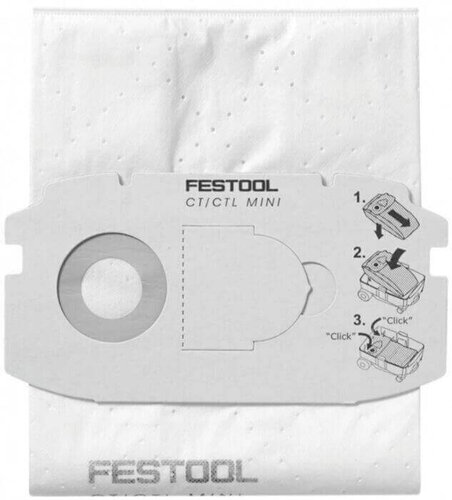
Festool CT Midi Selfclean Filter Extractor Bags - 5 Pack
Pack of 5 self-clean cloth filter bags for Festool CTL MIDI extractors.
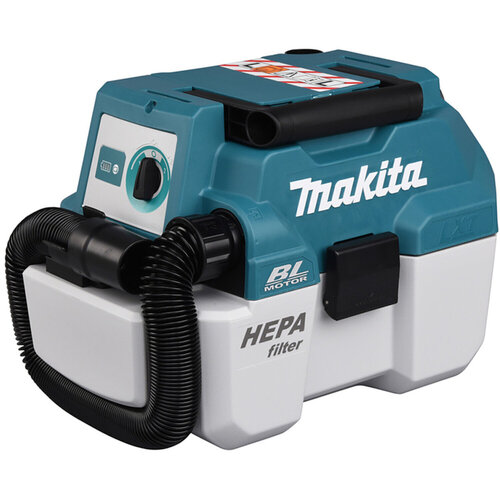
Makita 18V LXT Brushless L Class Dust Extractor 7.5L Wet & Dry Vac - Body only
Cordless 18V wet & dry dust extractor, 7.5 litre capacity
For the Trade
Start with the space you’ve got and how the unit will be used on site. That usually settles most of it. A cordless dust extractor suits work that moves from room to room or runs off-grid, but you give up run time and usually some capacity. A corded dust extractor is the steadier pick for longer shifts and heavier kit, especially when it stays in one spot. If the spec is tighter, an m-class dust extractor or hepa dust extractor is usually where you end up. In that case, filtration drives the buy more than the badge on the casing.
Dust Extractor Options Compared
If you’re choosing between dust extractors, start with how fixed the job is. Corded dust extractors suit a unit that stays with one tool or runs for longer spells. You are not managing batteries as well as hoses and filters.
Cordless dust extractors fit jobs where you move between rooms or power is awkward. You give up run time and usually some capacity.
For heavier dust load or tighter control, an m-class dust extractor or HEPA dust extractor is the one to look at. For lighter general site use, a standard dust extractor is usually enough. If you’re comparing it with the rest of your Power Tools kit, decide whether the extractor needs to travel with the tool or sit as a fixed unit.
Choosing Materials and Size
Start with what’s making the dust and how long the machine needs to stay on the job. A compact vacuum dust extractor is usually enough for lighter kit and short runs. A larger industrial dust extractor makes more sense when you’re pulling heavier debris or running for longer without constant emptying.
If the spec calls for finer control, an m-class dust extractor or HEPA dust extractor is the one to look at. You pay for that filtration in cost and, sometimes, bulk. For mobile work, a cordless dust extractor saves dragging leads about. For fixed kit, corded units are steadier.
If you’re also picking up kit for fixing or trimming, Glue & Heat Guns and Impact Drivers & Wrenches are the usual next stops.
Completing the Setup
Once you’ve picked the dust extractor, the next call is the kit around it. Hoses, fittings, and the storage you’ll actually use on site all make a difference.
A dust extractor can be right on paper and still be awkward if the hose run is wrong or the accessories do not suit the tools you are running. Get that part sorted early, especially on heavier cutting and grinding jobs where most of the mess starts.
If the work needs a clean finish around the area, panels, screens, and adjacent finishes come into play as well. Do not leave dust control to the machine alone.
Related searches
Local availability for Dust Extractors





