Irrigation Systems
Irrigation systems come down to how much control you need and how the site is laid out. For even coverage over beds or lawns, sprinkler irrigation systems are the usual pick. If you need to feed individual plants with less waste, drip irrigation systems make more sense. Automatic irrigation systems cut out manual watering, but they only pay off when the zones and fittings are planned properly. A rushed layout is where most call-backs start.
For the Trade
Start with the space you’ve got and how the area gets used. That usually sets the layout before you look at finishes or accessories. Tight beds, long runs and mixed planting all push the spec in different directions, and that is where irrigation systems stop being a generic buy and become job-specific. Automatic irrigation systems suit sites where watering needs to stay controlled and repeatable. Drip irrigation systems make more sense when you need to feed plants directly and keep water where it is needed. Sprinkler irrigation systems still work when coverage matters more than pinpoint delivery, but they can be the wrong call if overspray is a problem.
Irrigation System Options Compared
If you’re pricing up irrigation systems, the first split is usually between automatic irrigation systems and simpler layouts you control by hand. Automatic setups suit jobs where timing matters and the client won’t be on site every day. The trade-off is less flexibility once it’s set.
Drip irrigation systems are the one to reach for when you need water at the base and want to keep overspray down. They suit planting that needs a steadier feed. The trade-off is slower coverage.
Sprinkler irrigation systems make more sense when you need wider coverage and a quicker install. They replace a more targeted layout, but they are less selective.
For anything more involved, check the Watering range for the matching components and controls. The wrong mix is what usually causes the call-back.
Choosing Materials and Size
What usually decides it is the water source, the run length, and how much control you need at the tap. Short jobs can stay with lighter irrigation systems. Once you’re feeding several beds or a longer line, pressure loss and the number of take-offs start to matter.
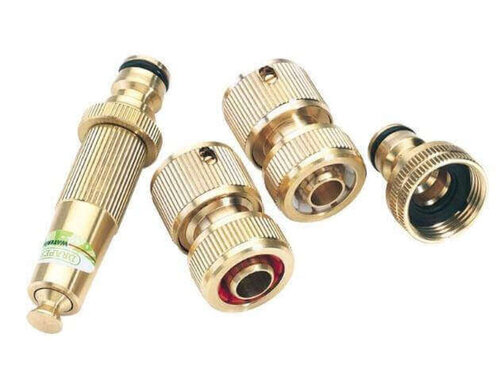
A tidy layout matters more than extra parts bolted on later. That’s where leaks and weak coverage start. If you’re tying into existing taps, Hose Tap Connectors are usually the first thing to check. If the job still needs a manual feed point, Garden Hoses may be the better buy alongside the main run.
Completing the Setup
Once you’ve picked the irrigation system, the next call is the kit around it that keeps the job tidy and serviceable. On a straightforward garden watering system, check the pipe runs, fittings and any controller or timer before you start closing it in. The wrong connector or a missed valve is what brings you back.
If you’re tying into existing garden hoses or a tap point, sort the matching ends first rather than forcing adaptors later. For longer runs, pick the parts that let you isolate sections and keep access where you need it.
Related searches
Local availability for Irrigation Systems

