Cement Mixers
Cement mixers usually come down to what you’re mixing, how much, and where it has to go. A small cement mixer or mini cement mixer suits tighter access and lighter loads. A larger drum cement mixer gives steadier output and fewer refills. An electric cement mixer is the usual pick where you’ve got power on hand. If you’re moving it about site, check the weight and footprint first.
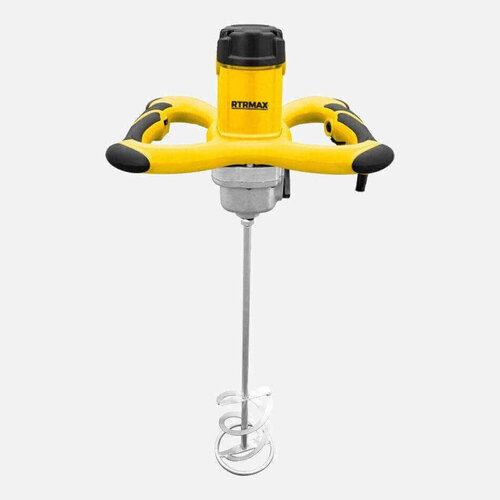
Rtrmax Hand Mixer - 1800W
1800W hand mixer for cement and mortar
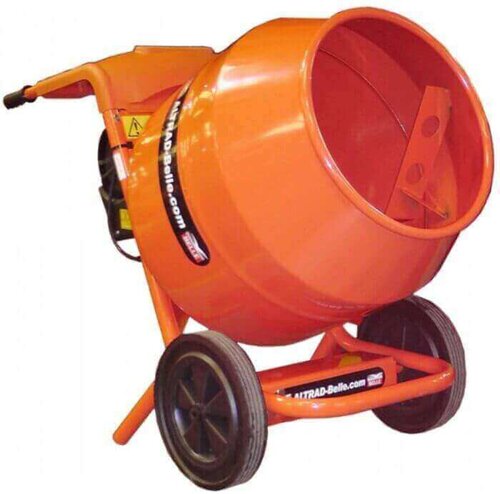
Altrad Belle Minimix 150 Cement Mixer and Stand 230V
Portable 230V cement mixer with 130-litre drum capacity and stand, mixing up to …
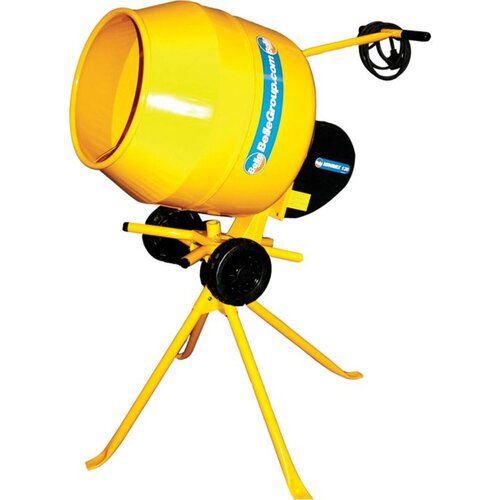
Belle Minimix 130 Mixer - 230V Yellow/Black
230V compact cement mixer with 130 litre drum and 90 litre mixing capacity
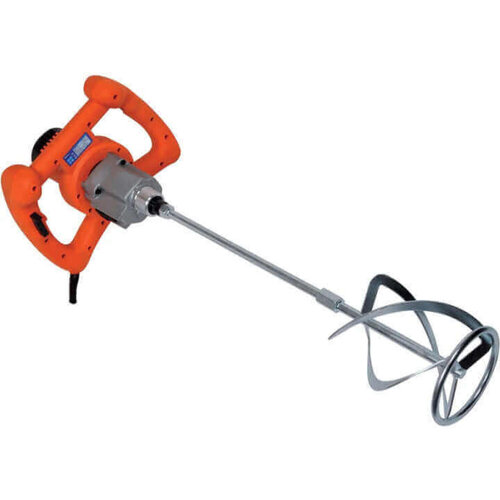
Vitrex Power Mixer 240V 1400W with Paddle and Storage Box
240V 1400W power mixer supplied with paddle and storage box
For the Trade
Start with where it’s going and how much you need out of it, then the rest of the choice gets easier. On tight jobs, a small cement mixer or mini cement mixer saves space and is easier to shift, but you give up batch size. If you’ve got power nearby and steady work, an electric cement mixer is usually the cleaner pick because it keeps the job moving without the faff of fuel. A drum cement mixer suits general site use when you want a straightforward mixer for cement. A mortar mixer makes more sense if the mix is lighter and you are not trying to force it through a machine built for heavier loads.
Cement Mixer Types and Layouts
Most cement mixers come down to how often you use them and how hard you push them. A portable cement mixer suits the odd job and is easier to shift. An electric cement mixer is the usual pick for regular work when you want steady running without messing about with fuel.
A site cement mixer or heavy duty cement mixer makes more sense when it’s in use all day and needs to stand up to rough treatment. You give up some ease of moving it around.
A drum cement mixer is the common all-round layout. A smaller drum is handier for lighter loads, but you will be tipping more often. If you are comparing against the rest of Building Supplies, this is where you decide whether you need portability, output, or a mixer that will not slow the job down.
What to Check Before You Buy
If space is tight, a mini cement mixer or small cement mixer keeps the footprint down. The trade-off is batch size and how often you tip. It suits patching, small pours, or a mixer that has to live in the van. It will not keep pace on a bigger job.
For regular mixing, an electric cement mixer is usually the better fit. It keeps the work moving without handballing loads. If the job also needs Aggregates & Chemicals or ties into Brickworking, match the mixer size to the rest of the material run so you are not waiting on the drum.
Useful Alongside Cement Mixers
Once you’ve picked the right cement mixer, the next call is what else needs to be on the job. If you’re mixing out for masonry, get your aggregates and chemicals lined up first. If the work is moving into brickwork, brickworking materials or lintels may be the next order.
A mixer only covers one part of the run. If the rest of the materials are late, it just sits there. Keep the follow-on order matched to the pace of the job, and you’re not waiting around on site.
Related searches
Local availability for Cement Mixers




