Radiator Paint
Radiator paint is the call when you need a finish that can take regular heat without going soft or yellowing too quickly. The main choice is usually between quicker-drying products for turnaround and slower, harder-wearing finishes where the job can wait a bit longer. Gloss, satin and matt come down to the look you need and how much the existing surface will show through.
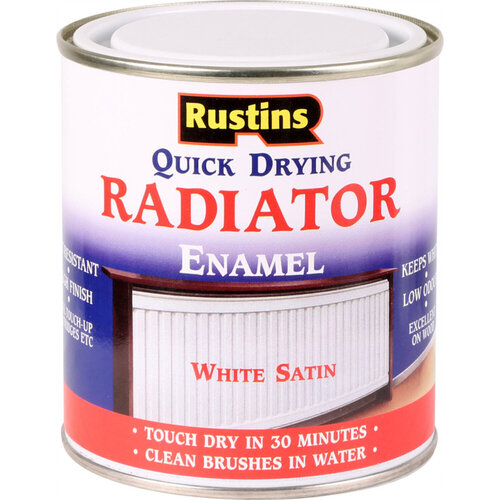
Rustins Quick Dry Radiator Paint Satin - White 500ml
White satin interior radiator paint, 500ml, quick-dry, non-yellowing on hot radi…
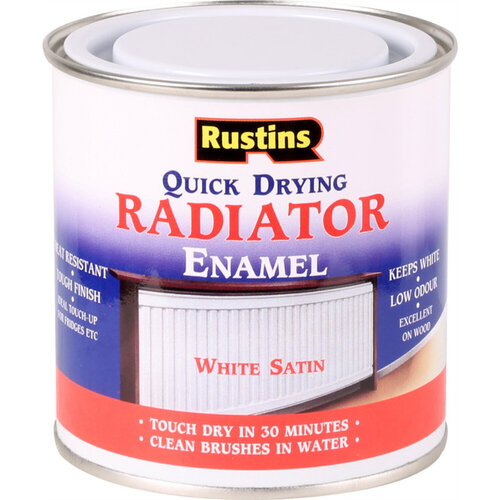
Rustins Quick Dry Radiator Paint Satin - White 250ml
White satin radiator paint, 250ml, quick-dry, non-yellowing on hot radiators
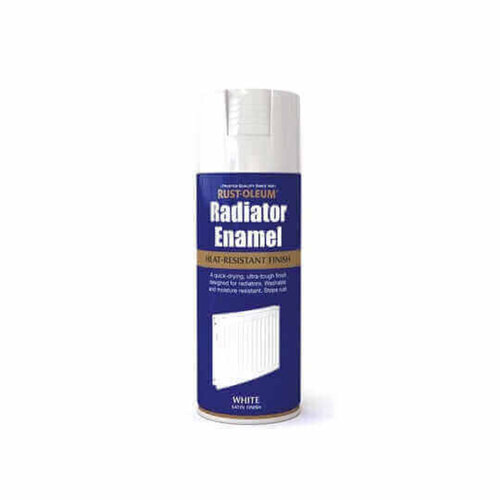
Rustins Radiator Enamel - White Gloss
White gloss enamel by Rustins
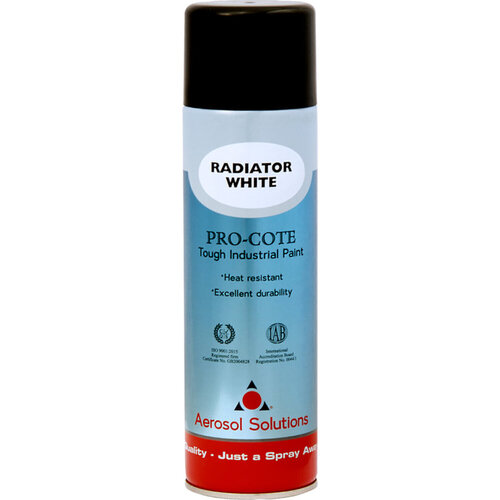
Radiator Spray Paint 500ml - Gloss White
500ml gloss white radiator spray for a tough, heat-resistant finish
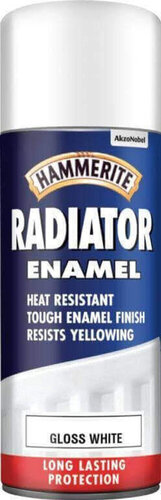
Hammerite Radiator Paint Gloss Aerosol - 400ml White
Gloss white radiator paint, 400ml aerosol
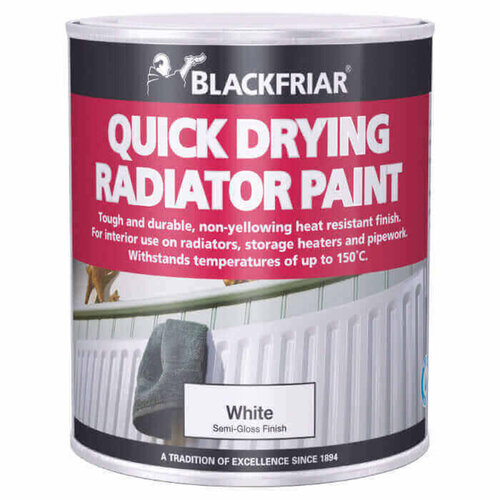
Blackfriar Quick Drying Radiator Paint
Quick-drying brilliant white paint for radiators, pipework and heaters
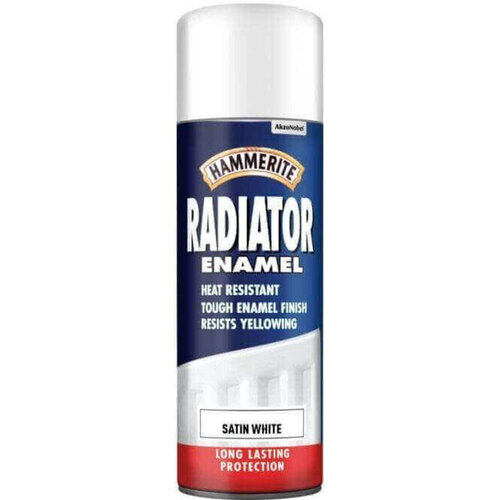
Hammerite Radiator Spray Satin - 400ml White
White satin spray paint for radiators, 400ml aerosol
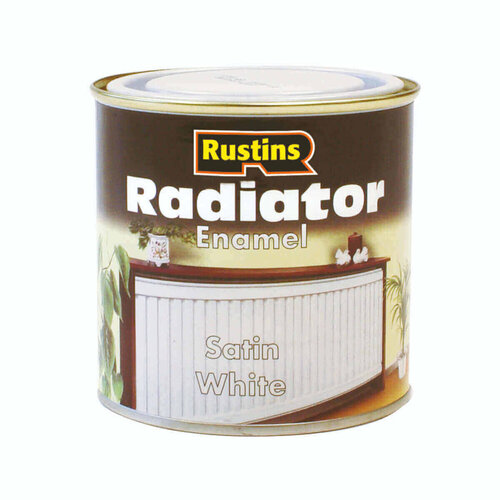
Rustins Radiator Paint - 250ml Satin
Heat-resistant satin radiator paint, 250ml, stays white
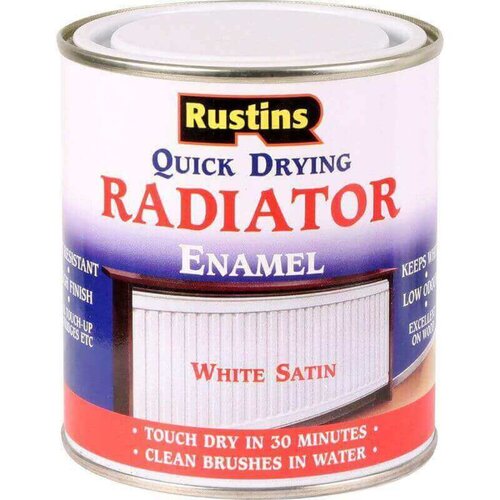
Rustins Quick Dry Radiator Paint - 500ml White
Fast-drying white radiator paint for interior use (500ml)
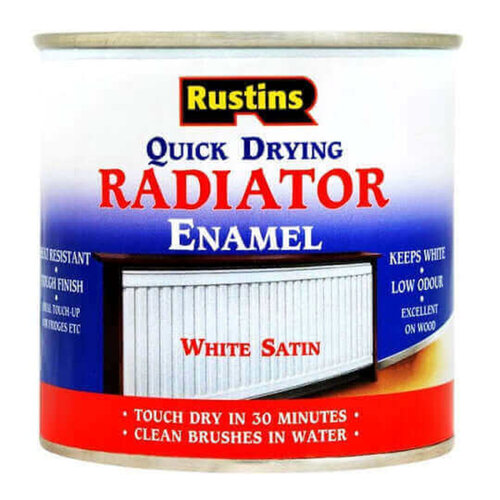
Rustins Quick Dry Radiator Paint - 1L Satin
Quick-dry satin radiator paint in a 1 litre container
For the Trade
You usually narrow radiator paint by the finish you want, how quickly you need it back in service, and how fussy the existing coat is. White radiator paint is still the common call on most jobs because it keeps the look consistent. Gloss radiator paint gives a harder, more traditional face. Matt or satin works better when you want less shine showing every mark. Quick dry radiator paint helps when the programme is tight, but you give up a bit of working time. If the radiator’s already been patched before, radiator touch up paint is often the cleaner answer than trying to blend a full coat.
Radiator Paint Options Compared
Heat resistant radiator paint is the usual all-round pick for regular heating cycles. It covers the standard job without pushing you into a heavier spec.
High temperature radiator paint only comes into play when the heat level is more demanding. It gives you more headroom, but it is the less general option.
Quick dry radiator paint suits a tight turnaround. You can move on to the next coat sooner, though you give up some working time.
Finish matters as well. White radiator paint is still the common call for a clean match. Gloss radiator paint gives the hardest-looking sheen. Satin sits in the middle when you want less shine without going flat.
If you’re comparing the wider Specialist Paint range, heat resistance and recoat time are usually what decide it.
Choosing Materials and Size
What usually decides it is the state of the radiator and how much of the old finish you’re keeping. On a sound, previously painted surface, radiator paint usually gives you the cleanest result with the least fuss.
Bare metal or a badly repaired section needs more checking before you pick the system. Coverage and recoat time change once the substrate starts pulling differently, so the first coat matters more than the finish colour.
Quick-dry radiator paint helps when the job has to turn round fast. You give up some working time. If you’re doing the wider refresh, Furniture Paint is the next call for adjacent trim or cabinets. Anti Climb Paint is a different job altogether. Use that where security is the brief.
Completing the Setup
Once you’ve picked the finish, the next call is the radiator itself and how much prep it needs. A sound existing coating usually only needs a clean key and a tidy top-up. Damaged areas, rust spots or exposed metal need the right primer and undercoat in the system before the final coat goes on.
That’s where jobs slip if the prep is rushed. The paint may look fine on day one, then let go around edges and seams. If you’re working to a tight turnaround, quick dry radiator paint can save time between coats, but it gives you less room to correct the finish.
Related searches
Local availability for Radiator Paint