Wood Chippings
Wood chippings usually come down to how long you want them to hold up, how tidy you need the finish, and where they’re going. Hardwood grades tend to last longer and move less, while softer options are usually cheaper but need topping up sooner. For larger areas, wood chippings bulk bags are the practical choice.
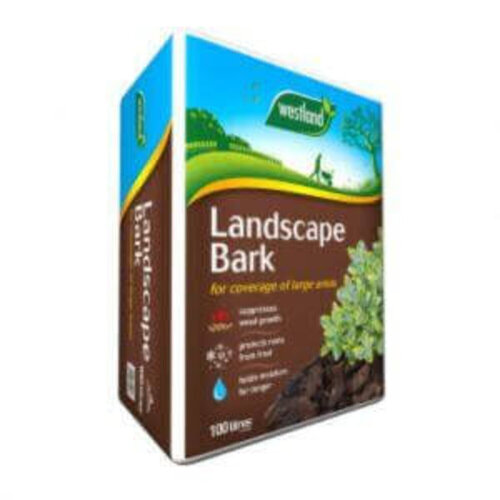
Westland Landscape Bark - 90L
90L bag of 30-50mm bark chips for decorative ground cover and weed suppression.
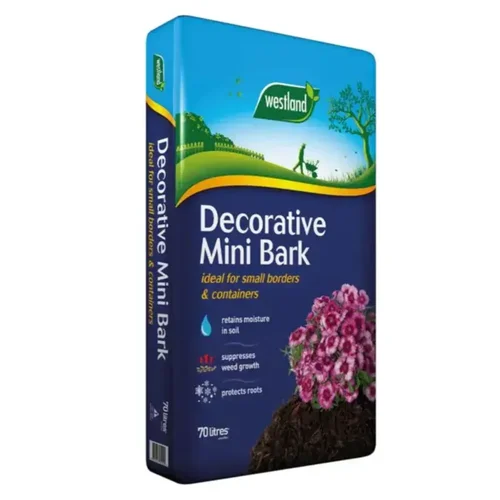
Westland Decorative Mini Bark - 70L
70L bag of decorative mini bark for landscaping
For the Trade
You’re usually deciding on coverage first. Work out how much ground you need to hold, how often you want to top it up, and whether the job needs a neat finish or just a functional surface. Wood chippings for a small border are a different call from wood chippings bulk bags on a bigger run, because handling and waste soon matter more than the headline price. If the spec is for a play area, you’d normally narrow it to play bark chippings rather than general decorative grades, since the surface needs to suit the use, not just look tidy.
Wood Chipping Options Compared
Bark chippings suit jobs where you want a neater finish and less movement underfoot. Wood chip mulch works better when coverage and cost matter more than appearance.
Play bark chippings sit in a different lane. Use them where you need a softer, more forgiving surface. Standard decorative material will not do that job properly.
Hardwood chippings last longer between top-ups, so they suit areas that need less maintenance. Softwood chippings are usually the cheaper option, but they tend to need refreshing sooner.
If you are comparing the wider range on Outdoor Projects, that usually narrows the job down quickly.
Choosing Materials and Size
The first call is usually handling and finish. Wood chippings bulk bags make sense when you are covering a decent area and do not want to keep shifting small bags. They only work if you can get them to where they are needed.
For a tidier, more uniform surface, wood bark chippings are the usual pick. They sit more evenly, but you give up some of the looser, cheaper feel of plain chip.
If the spec calls for a softer surface, play area wood chippings are the one to look at. Wood mulch suits a finer, more settled layer, though it will not give the same open texture.
When you are finishing around Decorative Stones or tying into Fence Posts & Panels, the grade matters. The wrong one stands out once it sits next to harder landscaping.
Completing the Setup
Once you’ve picked the wood chippings, the next call is usually what finishes the edges and keeps the job tidy. On larger schemes, you’ll often be back for fence posts and panels or fencing accessories where the chippings stop at a boundary and you need a clean line that holds.
If the area is being dressed rather than fully covered, decorative stones can work better at the exposed edges because they stay put and need less topping up. For play areas, the surrounding finish matters as much as the surface itself. A loose edge or poor containment is what usually causes the call-back.
Related searches
Local availability for Wood Chippings

