Step Ladders
Step ladders come down to reach, footprint and how long you’ll be stood on them. A 2 tread or 3 tread model suits quick internal jobs where space is tight. 4 tread and 5 tread step ladders give you more working height, but they take more room and are heavier to shift. Aluminium is the usual trade choice because it’s easier to carry. Steel is less common and only makes sense where the extra weight isn’t a problem. For decorating, a platform step ladder often saves the most faffing.
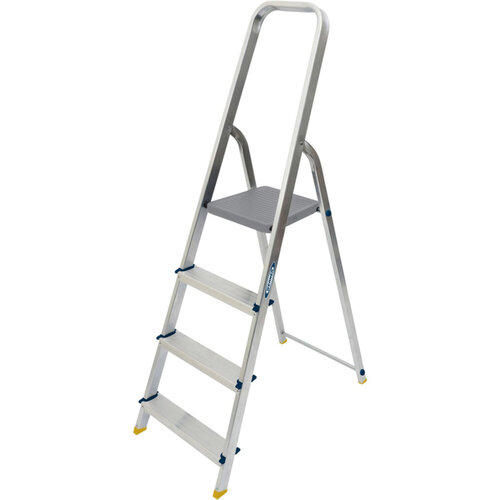
High Handrail Step Ladder - 4 Tread SWH 2.55m
4 tread aluminium step ladder with high handrail, safe working height 2.55m
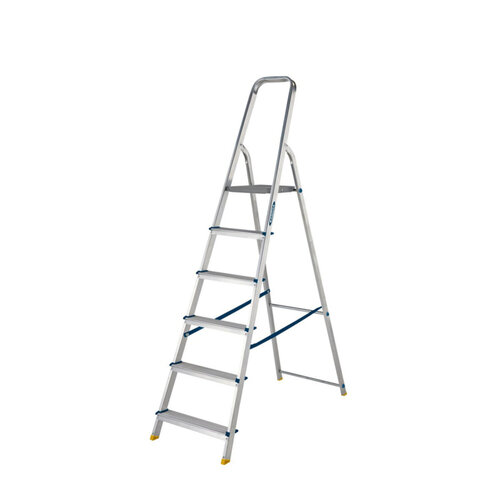
High Handrail Step Ladder - 6 Tread SWH 2.99m
6 tread aluminium step ladder with high handrail, safe working height 2.99m
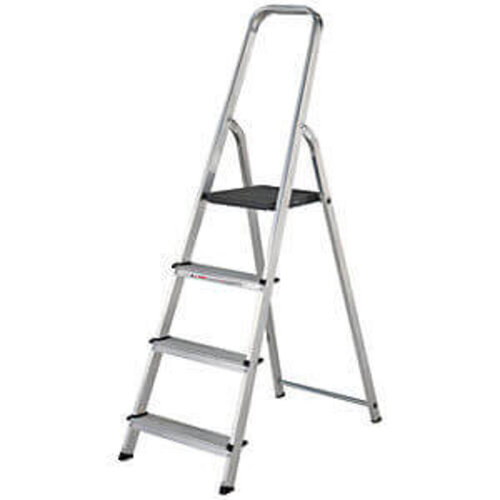
Werner High Handrail Step Ladder - 4 Tread
Aluminium step ladder with high handrail and large platform, 4 treads
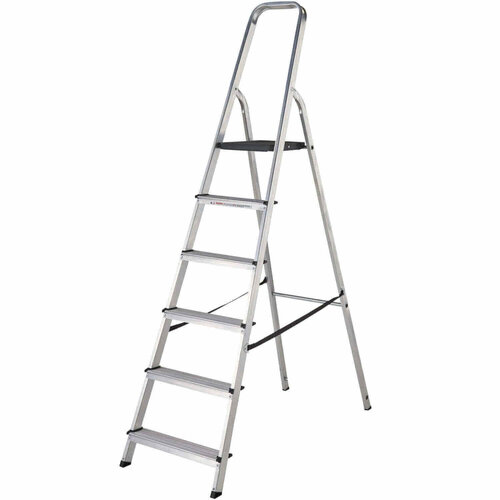
Werner Stepladder 6 Tread High Handrail
Werner 6-tread aluminium stepladder with high handrail, platform height 1.27m
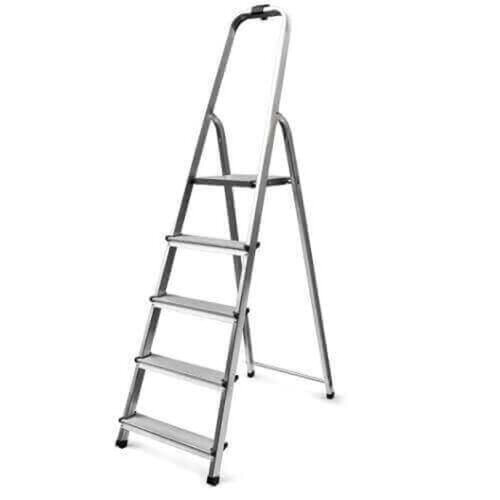
Drabest DIY Step Ladder - 5 Tread 125kg
5-tread step ladder with 125 kg maximum load capacity.
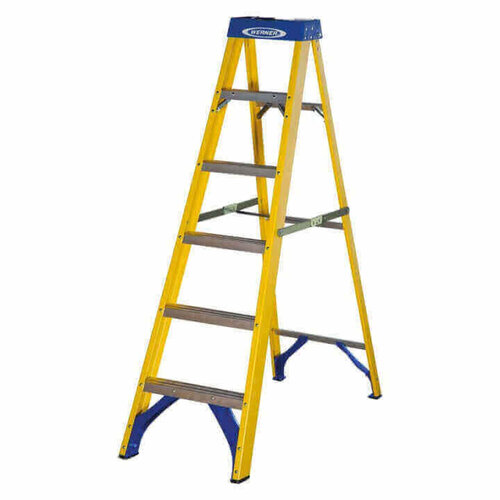
Werner Fibreglass Swingback Steps EN131 - 8 Tread
8 tread fibreglass swingback steps meeting EN131 for electrical safety
Rodo Fibreglass Step Ladder - 6 Tread
Fibreglass step ladder with 6 treads, durable and electrically insulating
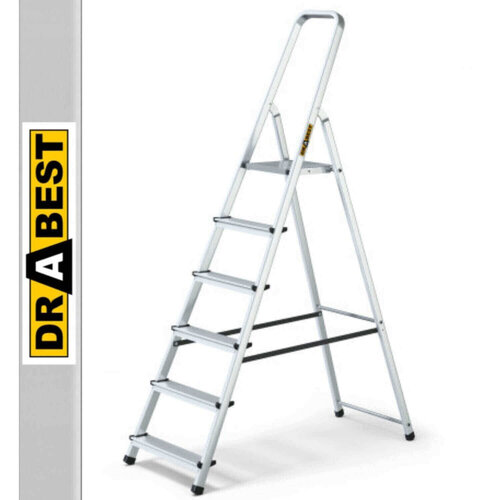
Drabest DIY Step Ladder - 7 tread 125kg
Lightweight aluminium 7-tread step ladder, 125kg load capacity
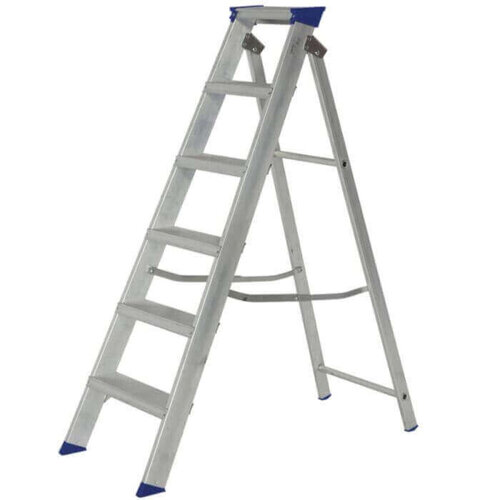
Werner Mastertrade Step Ladder - Aluminium 6 Tread
Aluminium 6 tread step ladder, EN131 professional, 150kg capacity.
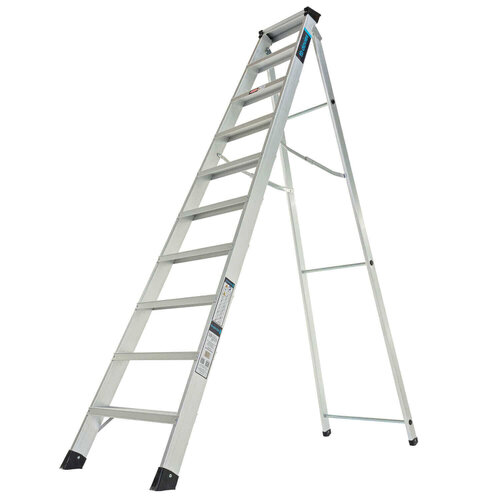
TB Davies HDUTY-S Professional Step Ladder - TB Davies HDUTY-S Aluminium Profess…
Professional aluminium swingback step ladder, 10 treads, EN131 compliant
For the Trade
You’re usually choosing step ladders on three things: the height you need, the space you’ve got to open them, and how long you’ll be stood on them. For quick access, keep them compact. If you’re working at the top for any length of time, a wider top or a proper platform makes more sense, because a narrow top gets tiring fast. 5 tread step ladders suit jobs where reach matters more than storage. They’re no use if you’re working in a tight corridor or through a small hatch.
Types of Step Ladders
Domestic step ladders suit short jobs and modest loads. They’re the light-duty pick, and the first ones to move on from if you’re using a ladder all day.
Trade step ladders are a better fit for regular site work. They usually give you a steadier feel without the extra bulk of heavier kit.
Heavy duty and industrial step ladders come into their own when the ladder sees constant use or rougher handling. The trade-off is weight and size.
A 2 tread model still has its place for low-level work where a larger frame just gets in the way. If you’re comparing the full range, start with Ladders & Platforms and narrow it from there.
Selection Factors for Step Ladders
Material is usually the first call. Aluminium step ladders suit jobs where you’re moving them all day. They’re easier to lift and quicker to shift between tasks.
Steel step ladders make more sense when you want a firmer feel and the ladder is staying put. The trade-off is weight.
If the job brings electrical risk into the picture, move over to Fibreglass Ladders instead. For longer spells on the ladder, Podium Steps are often the better buy. The flat standing area changes how long you can work before you need to move.
Finish the Room
Once you’ve picked your step ladders, the next call is what else needs sorting around the job.
If you’re working in a finished room, get protection and storage in place before you start. If the ladder is only one part of a longer decorating run, the rest of the kit can matter more than the ladder itself.
A paint ladder or painters ladder is fine for quick access and moving room to room. Once you’re stood on it for longer, platform steps or a different access option usually makes more sense.
Related searches
Local availability for Step Ladders











