Security Screws
Security screws are the pick when you need fixings that are harder to back out than standard heads. The first check is where they’re going and what you need to keep in place. For doors, panels and exposed fittings, head style and drive matter as much as the thread. Get that wrong and you only slow the job down. If the fixing is going into metal or a heavier assembly, choose a format that bites cleanly and holds without chewing the head.
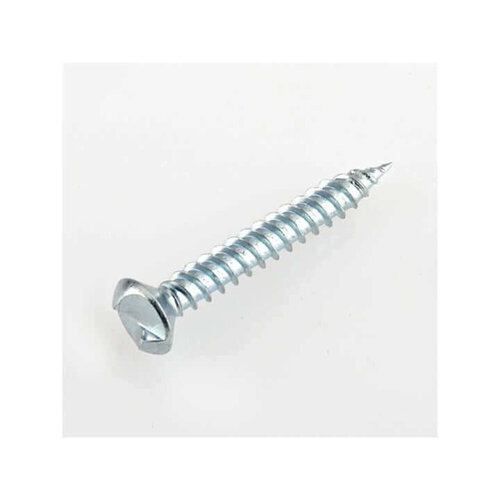
Unifix Clutch Head Antivandal Screw - No10 x 1 1/2" 25 Pack
Antivandal clutch head screw, No10 x 1 1/2" (38mm), pack of 25
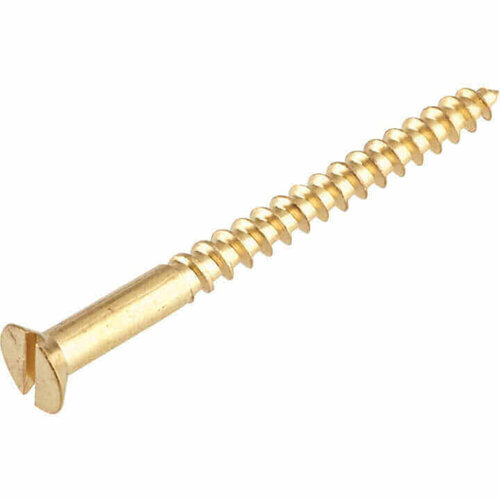
Unifix Clutch Head Antivandal Screw - No.8 x 1 1/4" 25 Pack
Unifix No.8x1-1/4" clutch head security screws 25-pack
For the Trade
Start with the space you’ve got and how the fixing will be used. That usually decides the head style and drive before anything else. If access is tight, or the fitting is likely to be disturbed, security screws make sense. For jobs that need quick servicing, keep standard fixings elsewhere in the spec. The call usually comes down to how much resistance you need against removal, whether the head needs to sit flush, and how much time you can spare if a bit strips.
Security Screw Types and Layouts
For security screws, the first split is between heads that slow casual removal and the heavier layouts you’d use where the fixing is likely to be attacked. Tamper proof security screws suit straightforward anti-tamper work because they keep the head profile simple, but you give up some convenience when the job needs regular access.
Security screws with washers are the better call where you want a wider bearing face and less pull-through on thinner material. For metalwork, security screws for metal usually give the neater fit. High security screws and trade security screws come into play when the spec is less forgiving. If you’re comparing the full Screws range, this is the branch where removal risk matters more than speed.
What to Check Before You Buy
The first question is how much resistance you actually need. Security screws only earn their keep where a standard fixing is likely to be tampered with or walked off.
On exposed fittings, panels and public-facing work, use the higher-security heads. You give up a bit of speed at the driver, but removal becomes harder later.
If the fixing is going into timber and the job is more about holding power than anti-tamper, Woodscrews are often the cheaper call. For metal, check the head style and whether you need washers. That is where a lot of call-backs start.
Useful Alongside Security Screws
Once you’ve picked the fixing, the next call is what it’s holding down and how often someone needs back in. Panels and access covers usually need a fixing that stays put without making the next service a fight. External screens and storage units often need a neater finish and a bit more resistance to casual interference.
Around doors or metalwork, check the head style and whether you need washers for spread. For timber, you may still be better off moving to woodscrews where pull-out matters more than tamper resistance.
Related searches
Local availability for Security Screws

