Door Closers
Door closers come down to three things: how much control you need on the swing, how hard the door gets used, and whether the spec calls for fire rating. Surface mounted models are usually the quickest fit and easiest to swap later. Concealed door closers keep the hardware out of sight, but you’ve got less room for adjustment and access. If the door takes a lot of traffic, heavy duty door closers are the safer pick. For lighter internal work, a standard hydraulic door closer is often enough.
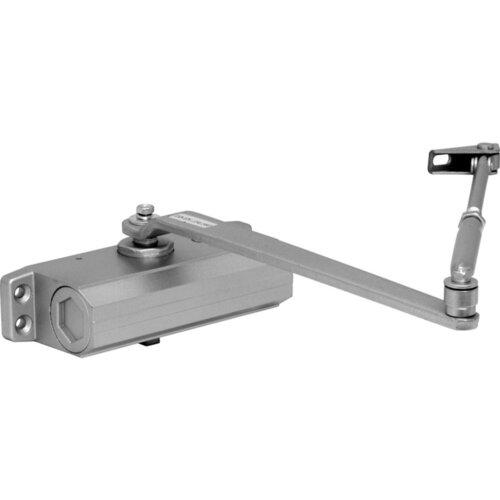
Eclipse Door Closer Size 3 - No Cover
Eclipse size 3 fire-rated door closer, silver, no cover
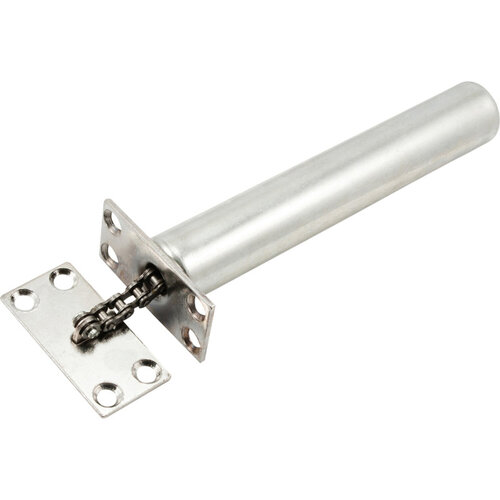
Eclipse Concealed Door Closer - Nickel Plated
Concealed door closer for internal doors up to 800mm, nickel plated
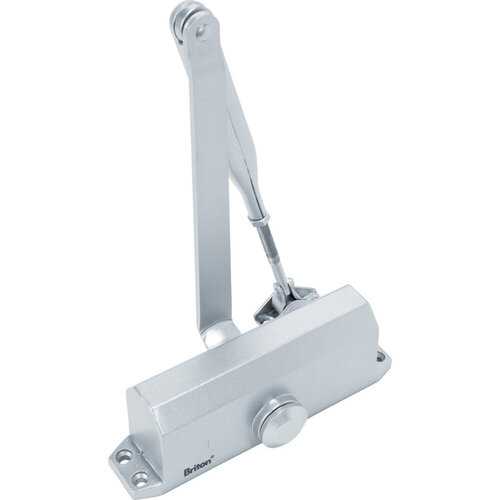
Briton 121CE Door Closer - Silver Size 3
Silver fixed power size EN 3 door closer for internal doors
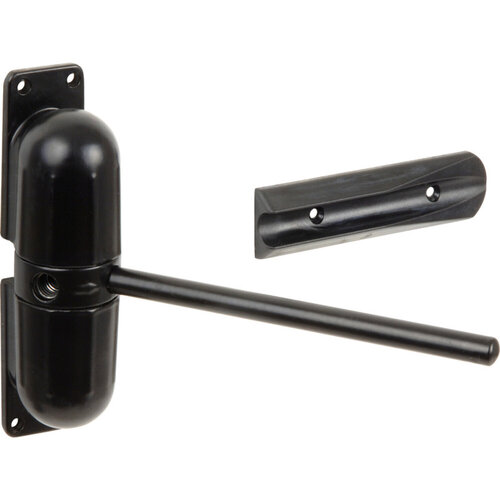
Surface Mounted Door Closer - Black
Black surface-mounted door closer, adjustable tension, for doors up to 68kg
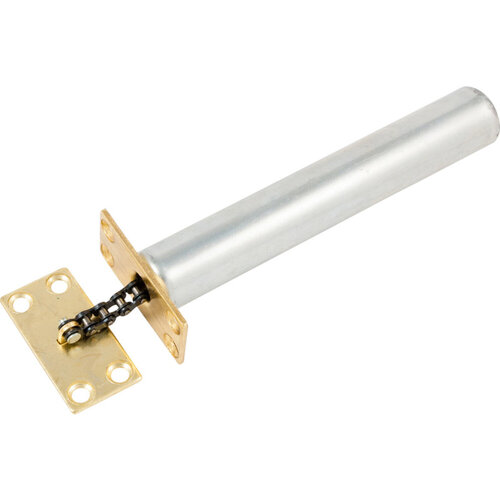
Eclipse Concealed Door Closer - Electrobrassed
Concealable brass door closer for 30-min fire doors, adjustable and reversible
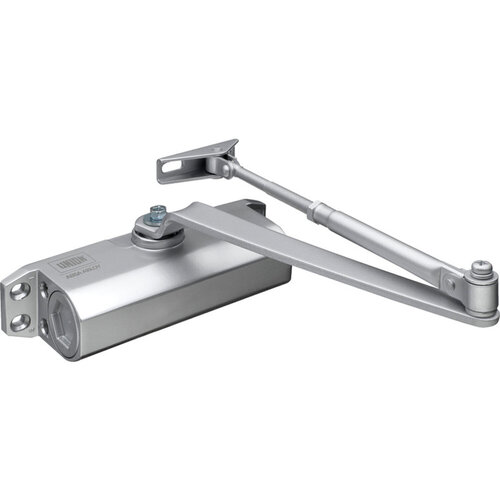
Union J-CE3F-SIL Door Closer - Size 3
Silver door closer for doors up to 950mm wide, adjustable closing speed.
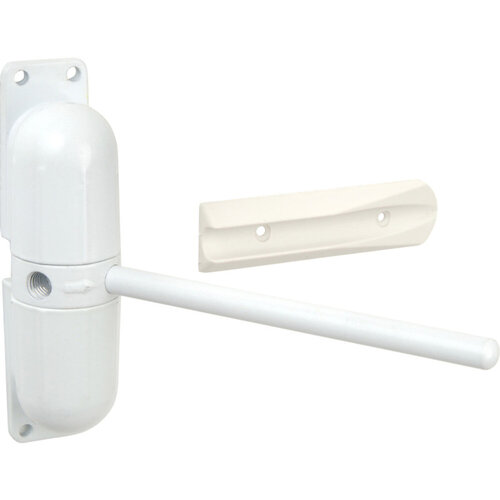
Surface Mounted Door Closer - White
White surface-mounted door closer, adjustable tension, for doors up to 68kg
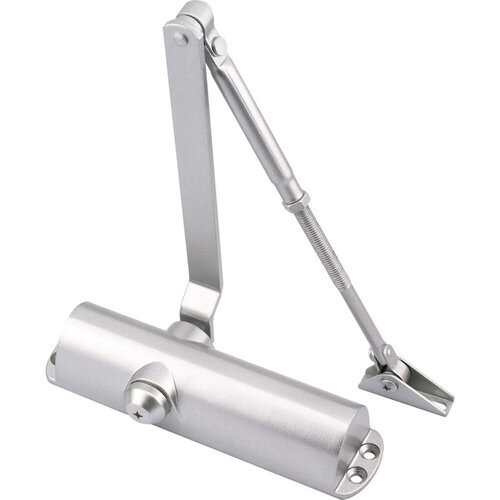
Eclipse Template Adjustable Overhead Door Closer - Size 2-4 Silver
Eclipse adjustable overhead door closer, size 2-4, silver, max 80kg door weight
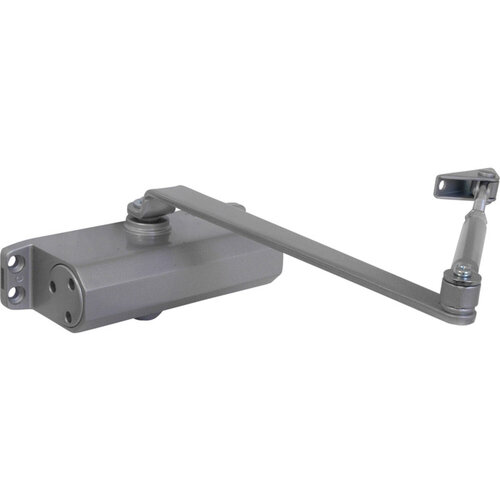
Door Closer Size 3 - Grey
Grey EN 1154 tested size 3 door closer, up to 60kg doors
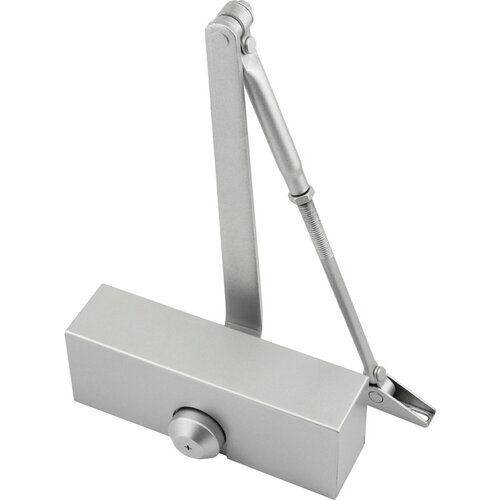
Eclipse Door Closer Size 3 - With Cover
Eclipse size 3 fire-rated door closer, silver, with cover
For the Trade
Start with the space you’ve got and how the door’s being used. That rules out half the options before you look at finish. A closer that sits neatly on a narrow frame is a different job from one on a busy access door, where control and durability matter more than appearance. On fire doors, the spec comes first. On ordinary internal doors, you’re usually balancing closing force, adjustability and how much hardware you’re happy to see. Heavy duty door closers suit doors that get hammered. Concealed door closers are the cleaner answer when the layout allows the extra work and you don’t want the unit on show.
Door Closer Types and Layouts
Overhead door closers are the first split for most jobs. They give you a clear, serviceable fit and leave the hardware visible. That makes them the practical choice when access matters more than a hidden finish.
Concealed door closers suit the cleaner look. They keep the mechanism out of sight, but you give up some ease of access later.
Hydraulic door closers are the better pick when you need controlled closing, not a door that just pulls itself shut. For heavier use, trade door closers and commercial door closers are worth the extra spend. Lighter units tend to feel loose first.
For the wider Door Furniture range, the decision comes down to appearance, access, or durability.
What to Check Before You Buy
First check the door and the frame. That matters more than finish.
If you’ve got a standard commercial leaf and room to fix it, a surface mounted door closer is usually the straight call. If the hardware needs to stay out of sight, move to a concealed door closer. You give up some simplicity, and fit can be less forgiving.
Fire doors need the closer matched to the set, not just the door size. On heavier traffic doors, a heavy duty door closer is the safer pick.
If you’re sorting the rest of the ironmongery at the same time, Door Accessories and Front Door Furniture are the usual next checks.
Useful Alongside Door Closers
Once the closer’s chosen, the next call is what else is going on at that opening. On a fire door, the closer has to sit with the rest of the ironmongery, so you’ll often be checking door accessories and front door furniture at the same time if the spec runs across the whole leaf.
That’s where jobs get held up. It’s rarely the closer itself. Mismatched finishes, missing fixings, or a handle set that clashes with the hardware already on site will slow things down. Keep the closer choice tied to the rest of the door set and you cut out the usual back-and-forth.
Related searches
Local availability for Door Closers








