Hi Vis
Hi vis comes down to where you’re wearing it and how much weather or movement it needs to handle. A vest is the quick pick for warmer jobs and layering. A hi vis jacket or coat makes more sense when you need more cover and less wind getting through. Trousers, T-shirts and fleeces suit jobs where the spec calls for visibility across the full kit, not just over the top.
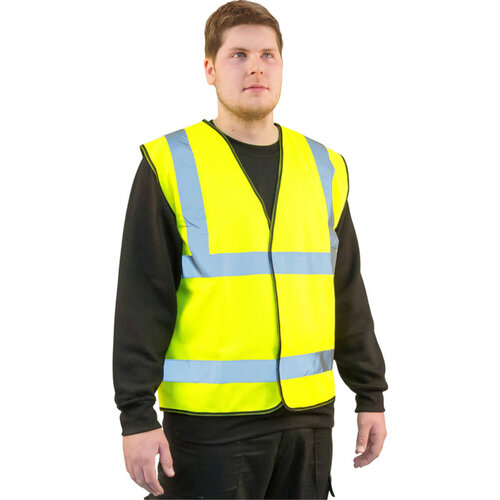
Hi Vis Waistcoat - Yellow Large
Yellow hi-vis waistcoat, size Large, EN471 Class 2
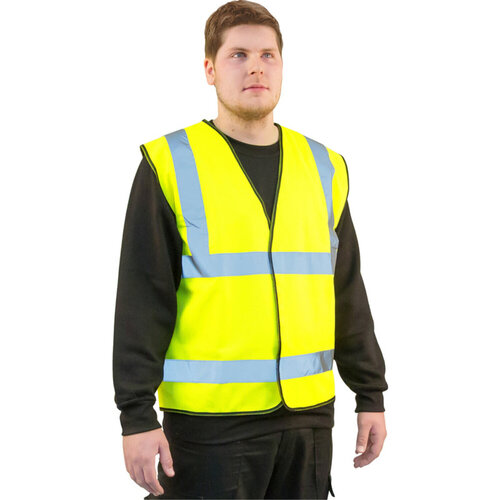
Hi Vis Waistcoat - Yellow Medium
Yellow hi-vis waistcoat, size Medium, EN471 Class 2
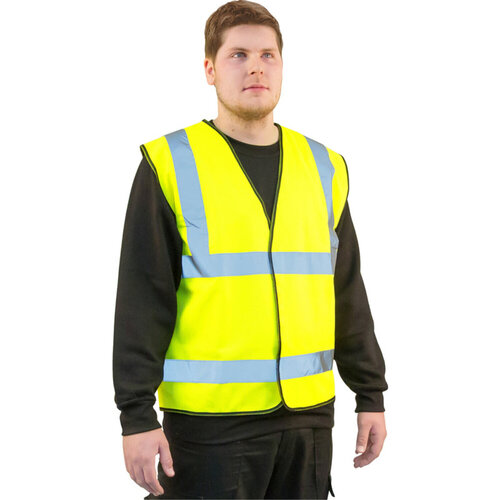
Hi Vis Waistcoat - Yellow X large
Yellow hi-vis waistcoat, size X Large, EN471 Class 2
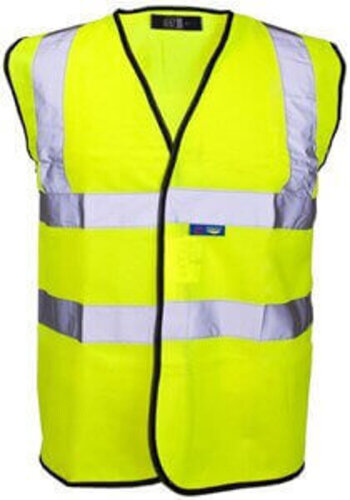
Hi-Vis Over Vest - Medium
Class 2 hi-vis safety vest with reflective tape and velcro fastening
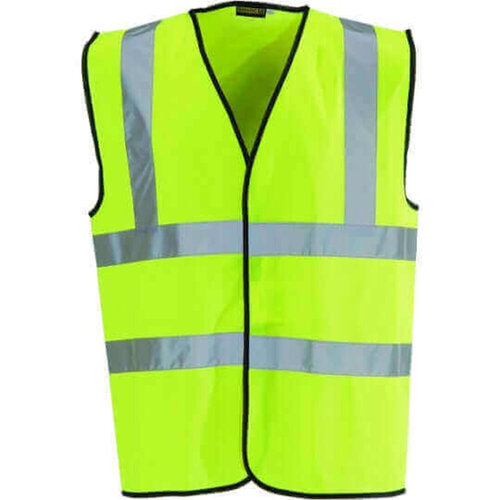
Hi-Vis Yellow 2 B&B Vest - Large
Hi-vis yellow vest in size Large
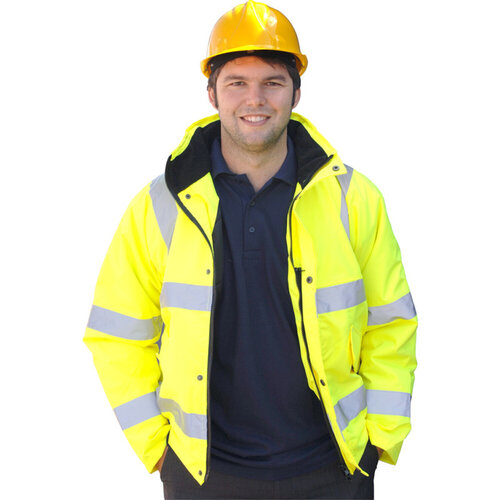
Hi Vis Bomber Jacket - Yellow Large
Yellow waterproof hi vis bomber jacket, size Large, with reflective tape and con…
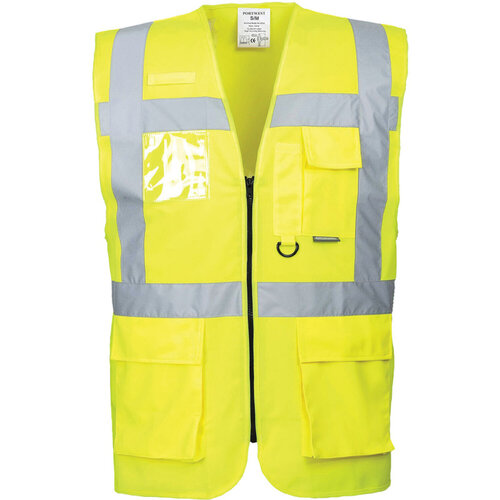
Hi Vis Executive Waistcoat Yellow - X Large
Bright yellow hi-vis waistcoat, size X Large, certified to EN ISO 20471 Class 2
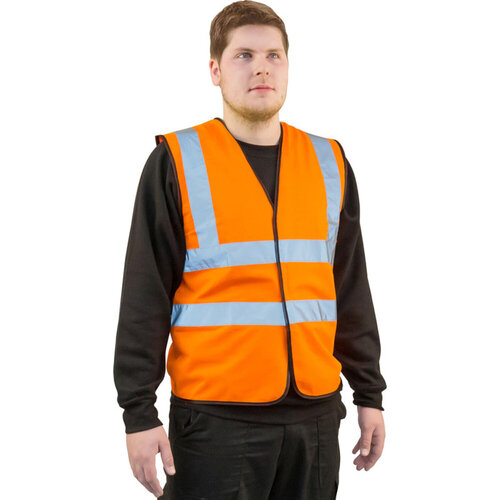
Hi Vis Waistcoat - Orange Medium
Orange hi vis waistcoat medium, non water resistant, conforms to EN471 Class 2
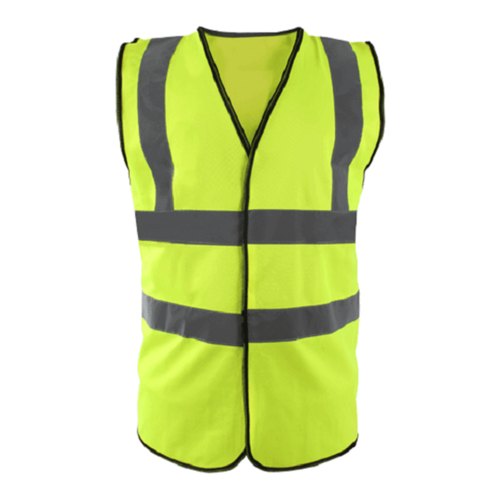
Flexitog B&B Vest - XL Hi-Vis Yellow 2 Pack
Hi-vis yellow safety vest, pack of 2, size XL
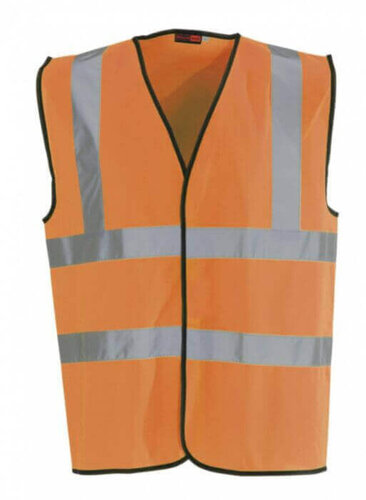
Blackrock High Visibility Waistcoat - XL - Orange
Orange high visibility waistcoat, size XL, EN471 class 2
For the Trade
Start with the job and how much room you’ve got to move. That usually decides the hi vis before anything else. If space is tight or you’re layering up, a hi vis vest or lighter hi vis jacket is easier to work in than heavier hi vis clothing. In poor weather, you need more cover and less faff with extra layers. The usual mistake is buying for the look first. You end up with kit that looks right but works against the job.
Popular Hi Vis Formats
A hi vis vest or waistcoat is the quick pick when you want the least bulk and the easiest layer over other kit. You give up cover and warmth.
A hi vis jacket or coat makes more sense once the weather turns or the job runs longer outdoors. It’s heavier, and it can feel restrictive if you’re moving in and out of vehicles or tight access.
Hi vis trousers are worth it when the spec wants visibility below the waist as well. A hi vis polo shirt or hi vis t shirt suits warmer shifts where you still need a visible top without the extra weight.
On PPE, the main thing is matching the format to how much of the day it has to stay on.
Key Differences When Choosing
The first question is how much of the kit still needs to show once the rest of the PPE is on. A hi vis vest or waistcoat is the lightest option when you only need a quick outer layer. It leaves you relying on what you’re wearing underneath for weather protection.
Go for a hi vis jacket or coat when you’re outside for long spells or the weather’s turning. You get more cover, but you’re carrying more bulk.
If you need visibility lower down as well, hi vis trousers make more sense than a top layer alone. For dirty or disposable jobs, Disposable Overalls usually sit alongside hi vis rather than replacing it. If noise is part of the job, sort Ear Protection at the same time. That’s the bit that often gets missed until the last minute.
Next Decisions After Choosing
Once you’ve picked the hi vis, the next call is what else the job needs around it. On a wet or dirty site, a hi vis jacket or coat usually makes more sense than a lighter layer because the outer shell is doing the visibility work as well as the weather protection.
Where the work is warmer or more mobile, a hi vis vest or t shirt keeps bulk down. That’s often the bit that stops lads wearing it properly. If the rest of the crew are already in full hi vis workwear, keep the spec consistent. Mixed kit is where site managers start chasing people.
Related searches
Local availability for Hi Vis











