Concrete Breakers
Concrete breakers are the pick when a drill or grinder won’t shift the job and you need steady impact, not speed. Lighter electric breakers suit chasing and small break-out work. Heavier demolition breaker models are better for slabs, footings and thicker concrete, where under-speccing wastes time and over-speccing makes handling awkward.
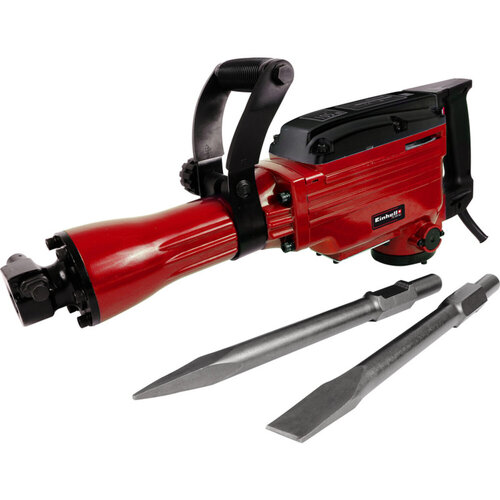
Einhell 15kg 1600W Demolition Hammer - 230V
Einhell 15kg 1600W demolition hammer with SDS-hex chuck and 43J impact energy
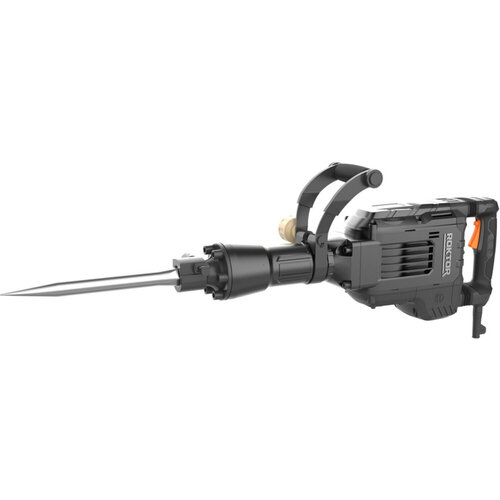
ROKTOR 1700W 15kg Electric Concrete Breaker - 230V
1700W electric concrete breaker with 65J impact energy and anti-vibration struct…
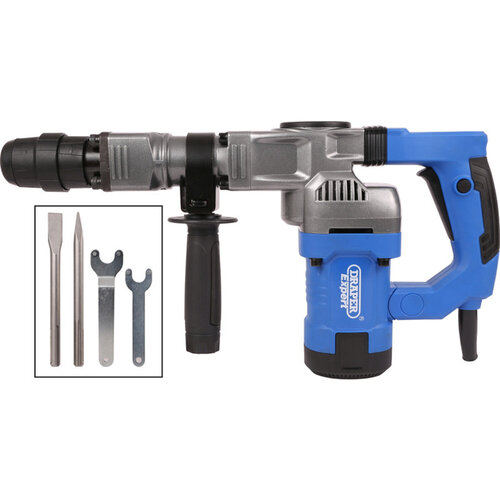
Draper 1050W SDS Max Breaker - 230V
230V mains SDS Max breaker with 25J impact, includes chisels
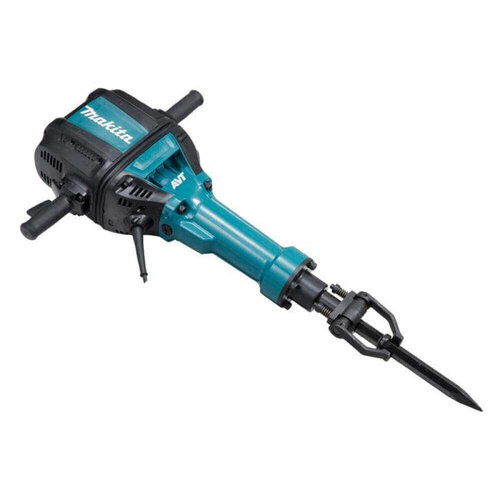
Makita Demolition Breaker - 2000W 28.6mm
2000W electric demolition breaker, 28.6mm, 240V, HM1812 AVT
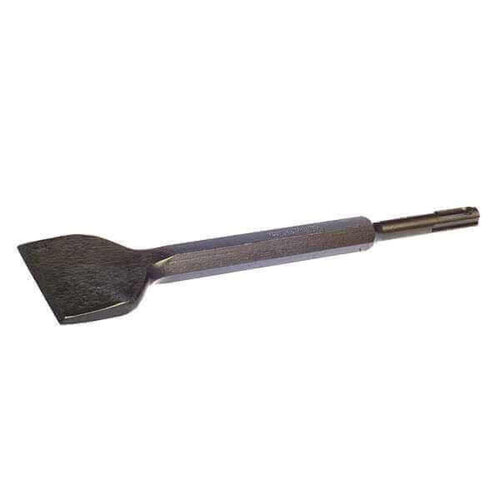
Makita Scaling Chisel SDS-Plus
Makita scaling chisel with SDS-Plus fitting, 50 mm diameter
For the Trade
Start with the space you’ve got and how the breaker’s going to be used, because that usually matters more than the badge on the side. If access is tight or you’re working overhead, a lighter electric breaker is easier to handle, but you give up some punch. Once you’re into thicker concrete or longer break-out runs, a heavier demolition breaker earns its keep, though you’ll feel it in handling and transport. A lot of call-backs come from buying too light for the job, or too heavy for the access.
Concrete Breaker Types and Layouts
A lighter electric breaker suits smaller break-out and chasing work. It’s easier to handle and less tiring over a shift, but you give up some punch.
A demolition breaker is the one you reach for on slabs, footings, and heavier concrete. A small electric breaker just wastes time there and wears you out. On site, the choice usually comes down to output versus handling. Buying too light for the job is what causes most grief.
What to Check Before You Buy
Start with what’s being broken and how long you’ll be on it. Thicker slabs and harder material need more weight and hit energy. The trade-off is handling. On lighter break-out, that extra mass soon works against you.
An electric breaker is the usual call when you’ve got mains and want steady running. Cordless suits short jobs or awkward access, but runtime sets the limit. If you’re trimming edges or cleaning back cut lines, an Angle Grinders setup may be the cleaner buy. If the job opens up around reinforced concrete or wet work, check whether you also need Concrete Pokers on the same run.
Useful Alongside Concrete Breakers
Once you’ve picked the breaker, the next call is what the job needs around it. If you’re opening up concrete, angle grinders can handle the edge trimming, and concrete pokers come in when the pour is part of the work rather than the break-out.
Storage and transport matter too. A heavy breaker that lives in the van all week needs a case or trolley that can take the knocks, not just a bare tool mixed in with the rest. It keeps the kit together and helps it stay usable through the job.
Related searches
Local availability for Concrete Breakers

