Front Door Furniture
Front door furniture usually comes down to finish, fixing style and whether you want a matched pack or individual pieces. If you are replacing tired external door furniture on a straight swap, a like-for-like pack saves time. If the door has been altered over the years, buying the parts separately gives you more control over centres and projection. Brass, black and stainless are picked for different reasons. On a busy front entrance, cheaper plated items tend to show wear first.
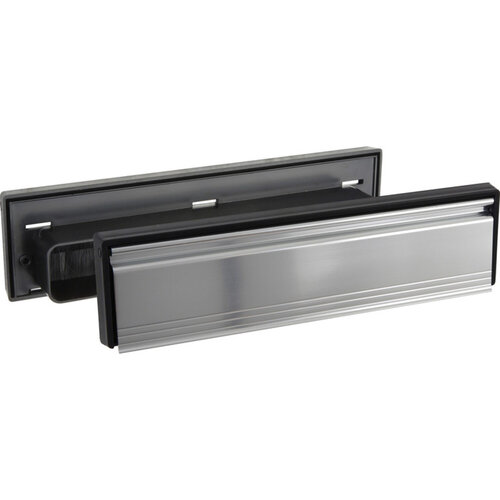
Stormguard Sleeved Letter Plate - Silver
Silver aluminium sleeved letter plate with satin finish, 293x75mm, for wooden/uP…
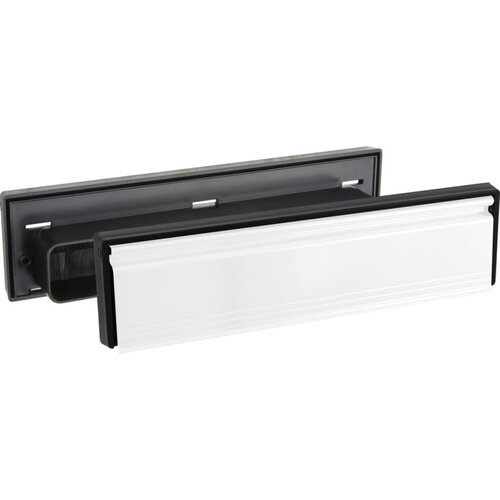
Stormguard Sleeved Letter Plate - White
White sleeved letter plate with satin finish, 293x75mm overall, fits wooden/uPVC…
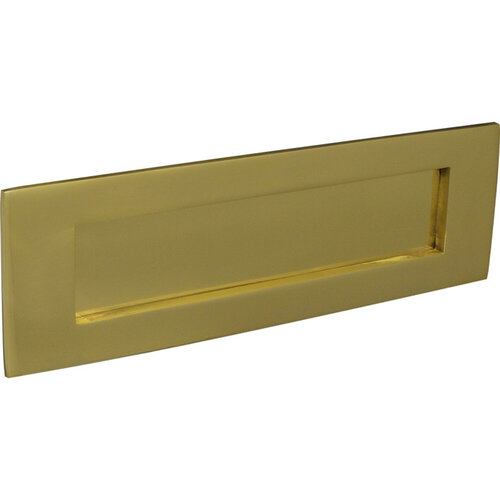
Victorian Letter Plate - Brass
Polished brass Victorian letter plate with sprung flap and fixings
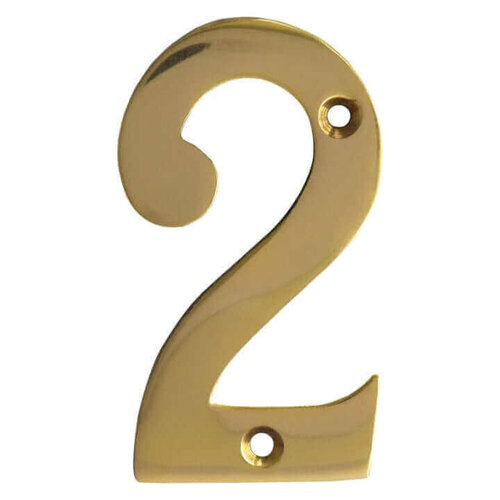
Numeral No 2 - 76mm Polished Brass
Polished brass door numeral, number 2, 76mm
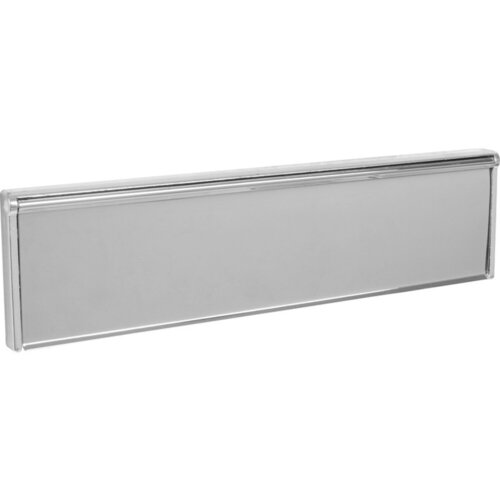
Flushback Letter Plate - Chrome
Satin chrome flushback letter plate, interior/exterior use
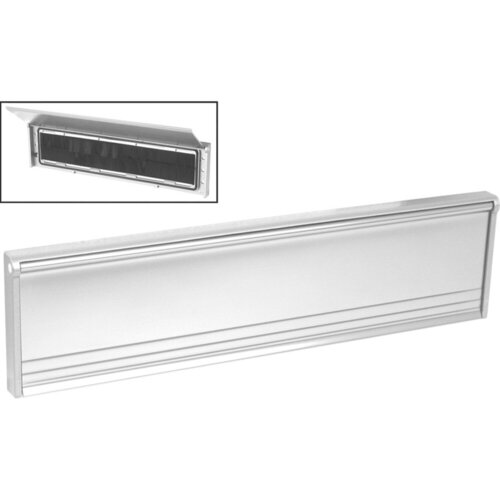
Flushback Letter Plate - Silver
Silver satin flushback letter plate, interior/exterior use
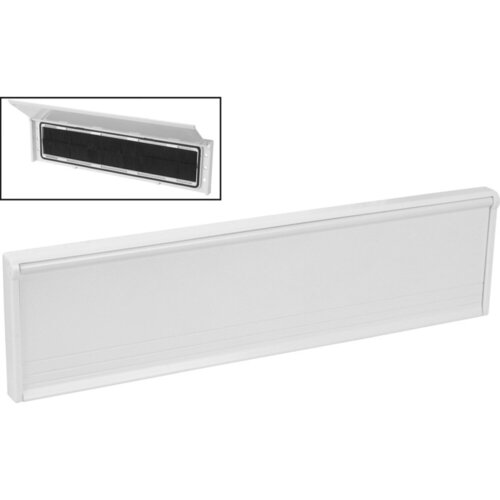
Flushback Letter Plate - White
White satin flushback letter plate with numeral plaque, interior/exterior use
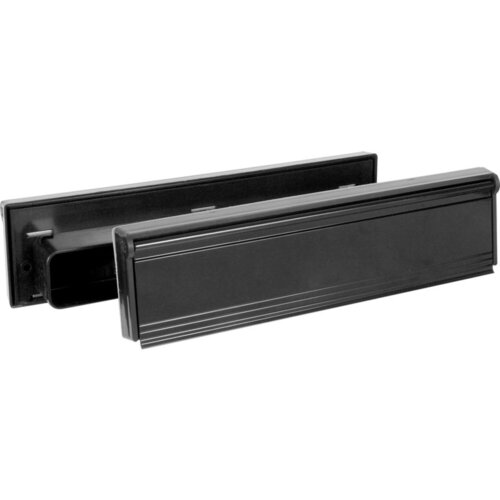
Stormguard Sleeved Letter Plate - Black
Black uPVC sleeved letter plate with satin finish, 293x75mm, for wooden/uPVC doo…
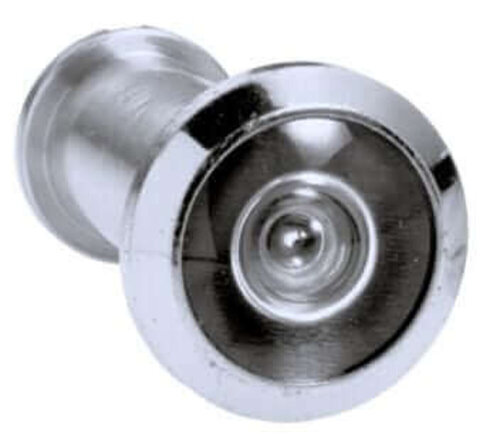
Eclipse Door Viewer 180° - Polished Brass
180 degree door viewer, polished brass, adjustable 35–60 millimetres
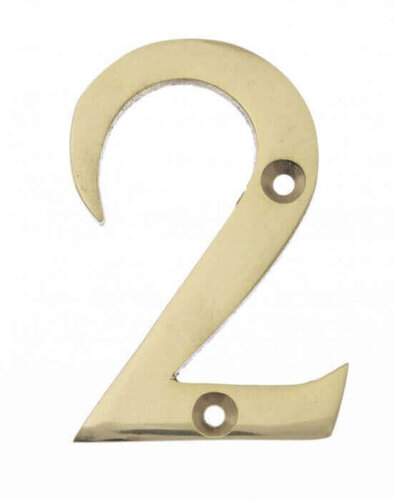
Eclipse Numeral 2 - 76mm Polished Brass Plated
Polished brass Victorian numeral 2, 76mm height, face fix
For the Trade
Start with the space you’ve got and how the door gets used, because that usually rules out half the options before you even look at finishes. A narrow stile, awkward lock position or limited fixing area will push you towards a different front door furniture layout than a straightforward replacement on a standard door. External door furniture with a heavier-duty feel is usually the call where the door gets hard use. Lighter decorative pieces can work where the spec is simpler. Finish comes after that, not before. Plenty of jobs go wrong when the look is chosen first and the fixing or spacing doesn’t suit the door.
Popular Front Door Furniture Formats
If you’re doing a straight replacement, a front door furniture pack is usually the quickest route. The parts are already meant to work together, so you are not chasing separate pieces.
Use external front door furniture when the door needs a specific layout or you are only replacing one side. You get more control, but you will spend longer checking compatibility.
Trade front door furniture suits heavier use, awkward existing fixings, or a spec that needs a more robust layout. It gives you more margin on the job, with less room for a light-duty compromise.
For the wider range, Door Furniture keeps the comparison in one place.
Key Differences When Choosing
Finish, fixing pattern and how much of the door you’re changing usually decide it.
A front door furniture pack is the quickest route when you want matched pieces and a clean like-for-like swap. It only works if the existing layout suits it.
Choose individual external door furniture when the door has been altered, the lock position sits awkwardly, or you need to mix finishes and functions. That gives you more control, but it takes longer to specify and fit.
Door Accessories often cover the small parts that finish the job. If the work sits within a wider joinery fit-out, Cabinet Hardware is the other check, so the finish and fixing style stay consistent across the scheme.
Next Decisions After Choosing
Once the front door furniture is sorted, the next call is the surrounding finish and any extras that affect handover. If the door leaf or frame is being tidied at the same time, keep the furniture choice in step with panels, screens and adjacent trims so you are not back later to match finishes.
Where the job includes storage or a porch area, clearance and fixing room matter as much as the look. For smaller add-ons, cabinet hardware is the sibling range you dip into when the job needs matching details, while door accessories covers the bits that finish the install without changing the main spec.
Related searches
Local availability for Front Door Furniture









