Screws, Nails & Fixings
When you’re choosing screws, nails & fixings, start with what’s carrying the load, what you’re fixing to, and whether the finish matters. Screws give you more control and a cleaner pull-up. Nails are still the quicker call where speed matters and you won’t be revisiting the joint. Outside or in a damp spot, material choice matters as much as head type.
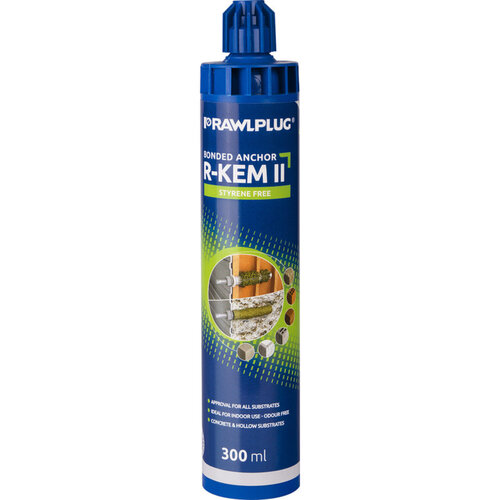
Rawlplug R-KEM-II Polyester Resin - 300ml
300ml cartridge of Rawlplug R-KEM-II polyester resin
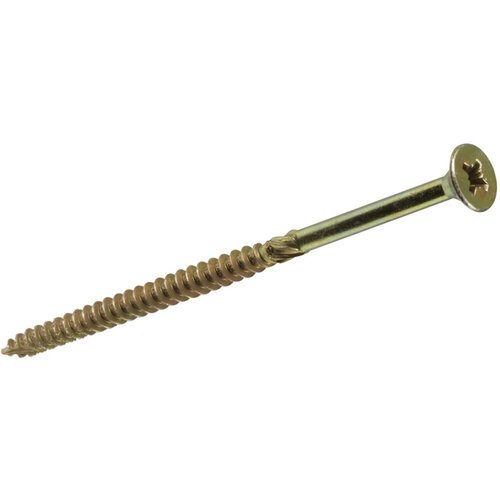
Spectre Advanced Multi-Purpose Screw - 5.0 x 100mm 100 Pack
5.0 x 100mm multi-purpose screw, 100 pack, zinc yellow passivated
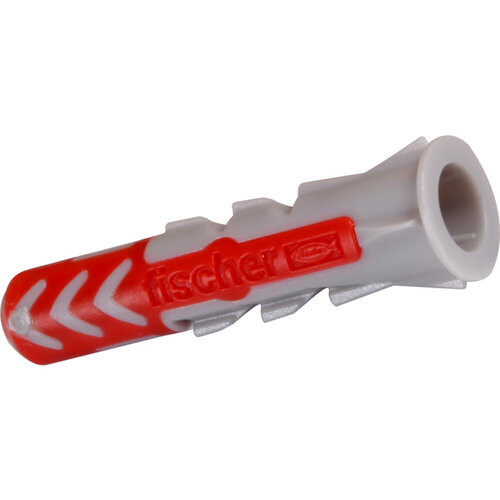
Fischer Duopower Nylon High Performance Plug - 6 x 30mm 100 Pack
Fischer DuoPower 6x30mm nylon wall plug, 100 pack, for solid and hollow substrat…
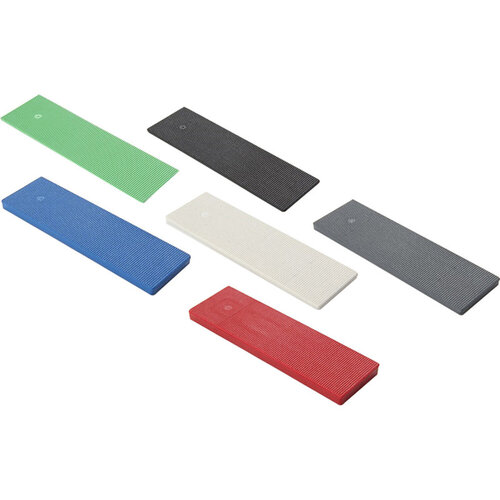
Broadfix Mixed Glazing Shims Kit - Assorted 300 Piece
Broadfix mixed glazing shims kit, 300 assorted 1-6mm, waterproof
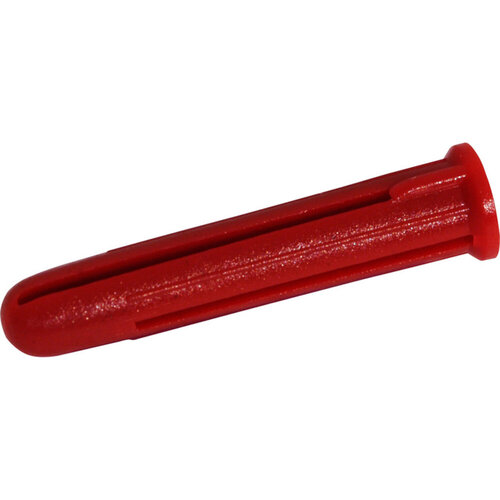
Wall Plug - Red 6mm 100 Pack
Red 6 millimetre exterior wall plugs, 100 pack
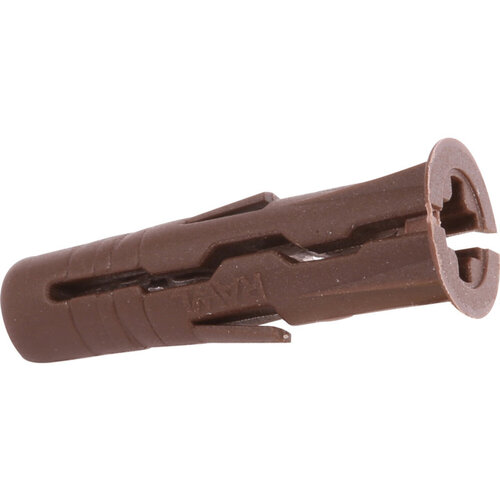
Rawlplug Uno Universal Contract Wall Plug - Brown 7mm 96 Pack
Universal brown 7mm wall plug, 96 pack, for solid or hollow materials
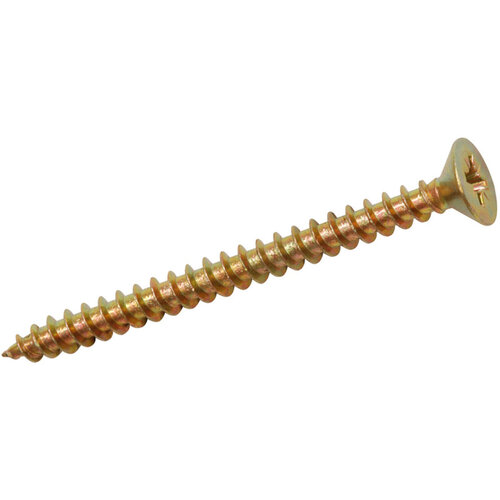
Single Thread Countersunk POZI Screw - 5.0 x 100mm 100 Pack
5.0 x 100 millimetres single-thread countersunk screw, zinc passivated, 100 pack
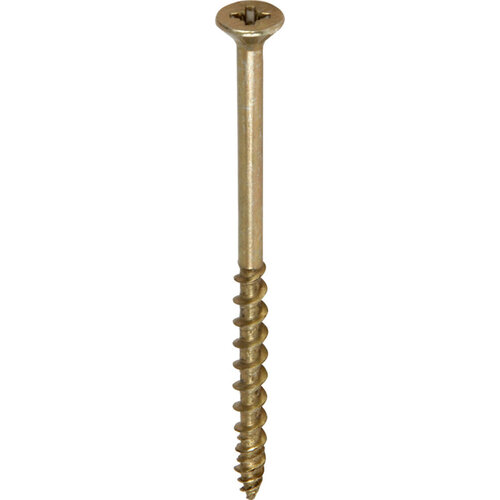
Screw-Tite Pozi Countersunk Screw - 5 x 100mm 100 Pack
5x100mm Pozi countersunk interior screw, Tri-Lock shank, gold finish.
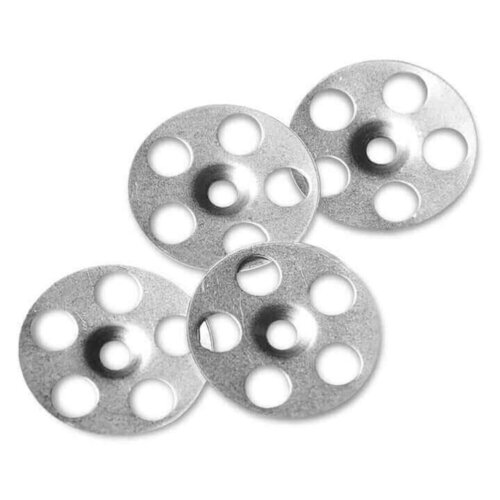
Jackoboard Galvanised Washers - 36mm 100 Pack
Galvanised washers, 36mm diameter, pack of 100
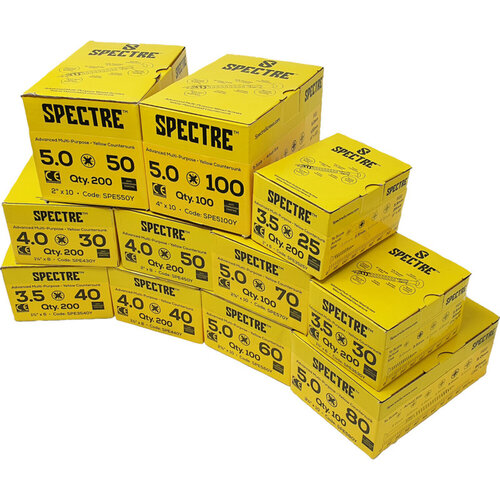
Spectre Screws Trade Pack - 1800 Piece
Trade pack of 1,800 countersunk screws in 11 sizes for interior wood use
For the Trade
Start with the space you’ve got and how the fixing will be used, because that usually decides more than finish or pack size. In screws, nails & fixings, the job often narrows itself once you know whether you need speed, pull-up, or a fixing that can take more abuse. A lot of call-backs come from choosing by habit instead of by substrate or access. If you’re working tight, the wrong head or length becomes the problem before the product does. Once that’s clear, the rest of the range is easier to sort.
Fixings & Fasteners
For Fixings & Fasteners, you’re usually choosing between a simple holding fixing, something with more pull-out, or a part that finishes flush without catching the next trade. That is where screws, nails & fixings stop being interchangeable.
If you need more control and a cleaner pull-up, screws usually win. If speed and volume matter, nails still make sense. Most problems on site come down to the head type or the substrate, not the fixing itself. Get that wrong and you end up with stripped heads, proud heads, or a call-back.
Nails
Nails suit jobs where speed matters more than adjustment. They give you a plain holding fixing. Screws give you more pull-up and control.
On timber work, Nails are the quicker call when you are driving a lot of fixings and do not want to spend time on each one.
Once they are in, you get less control. So they are not the answer where you may need to back off, realign, or strip out later. In this range, that leaves nails for volume and screws for fixings that need more than a hold.
Nuts, Bolts & Washers
If the job needs a nut-and-bolt assembly rather than a driven fixing, this is the bit to narrow down first. Nuts, Bolts & Washers is the pick when you want a clamped joint you can tighten, check, and rework later.
The washer does more than fill space. It spreads the load and helps stop the head pulling into softer faces. If you’re matching existing hardware, thread and head style usually decide it before anything else.
Screws
You’re usually choosing screws by pull-up, head style and finish. Countersunk screws are the common call when you want the head to sit flush. Flat head screws suit jobs that need a broader bearing face.
Heavy duty screws work where the fixing will take load or pull. Trade screws are the sensible middle ground for general site work. When the job changes, stainless steel nails or screw anchors sit in a different part of the range. That is what stops you buying the wrong box twice.
Choosing Materials and Size
For screws, nails & fixings, start with what the fixing needs to do on the day, not what’s cheapest in the box. If you want a cleaner finish and more control, countersunk screws or flat head screws are usually the call. If speed matters more and you’re fixing into timber, nails for wood still earn their keep.
Stainless steel nails are worth the extra money where finish and daily wear matter. They usually give a firmer face than acrylic, but they are heavier to move around on site. Heavy duty screws are the one to reach for when pull-out or load is the issue.
Completing the Setup
Once you’ve picked the main fixing, the next call is usually what finishes the rest of the job. On board work, trims and light framing, you’ll often need fixings and fasteners that sit flush and don’t snag the next layer. Where the job is holding timber together, nails still save time.
If the spec moves into brackets, plates or anything that needs clamping, nuts, bolts and washers are the cleaner answer. You can tighten them down properly. The fixing is only half the order, and the wrong follow-on part is what causes the comeback.
Related searches
Local availability for Screws, Nails & Fixings





















