Pruning Saws
Pruning saws come down to how much reach you need, how much control you want in the cut, and whether you’re working in tight growth or on thicker branches. Folding models suit pocket or tool bag carry, while fixed-blade versions usually feel steadier on repeated cuts and heavier work. Curved blades tend to bite quicker and stay in the cut better. Straight blades can be easier to place where access is awkward.
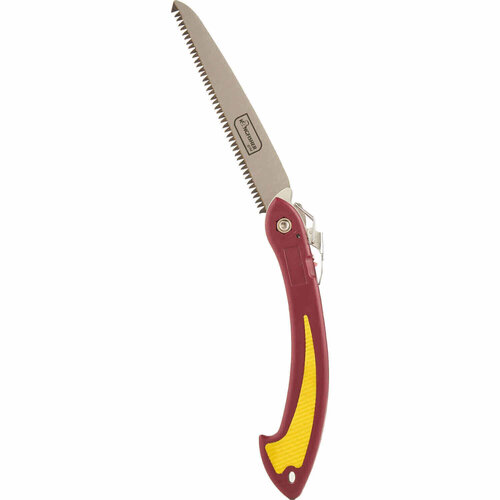
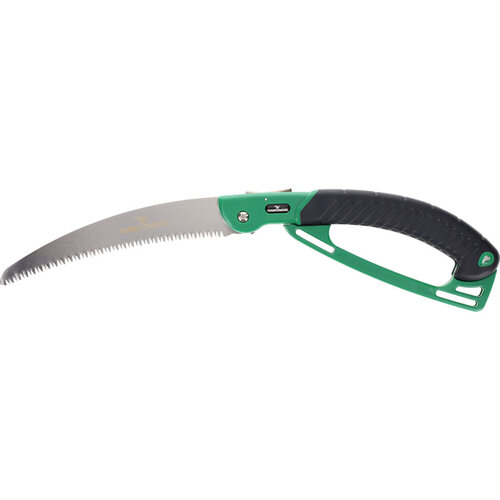
Hawksmoor Folding Pruning Saw - 23cm Blade
Foldable 230mm pruning saw with locking handle sheath
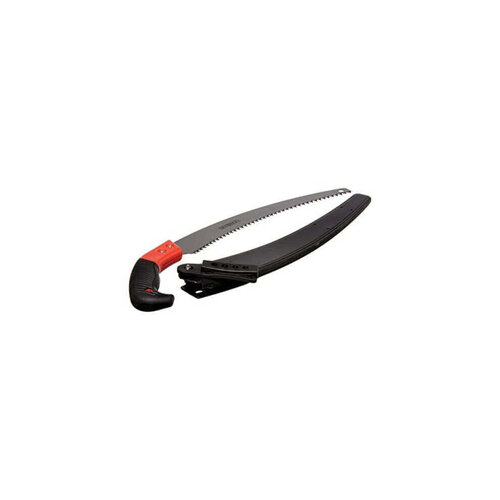
AM-Tech Pruning Saw with Storage Holster
Professional pruning saw with holster for tree surgery and garden maintenance.
For the Trade
Start with the space you’ve actually got to work in and how the saw will be carried, because that usually rules out half the range before you get into blade shape or handle style. If you’re working in tight access or moving between cuts all day, lighter pruning saws are easier to live with. For heavier jobs or thicker wood, a sturdier frame usually feels more controlled and stands up better to rough use. A lot of call-backs come from buying on price alone and ending up with a saw that’s awkward in the hand or too short for the cut.
Pruning Saw Types and Layouts
Folding pruning saws suit jobs where the tool needs to sit in a pouch or van box. They shut down cleanly and carry well between sites.
Hand pruning saws with a fixed blade are the quicker grab when you want no lock to deal with first. They work well for regular site use.
Curved pruning saws bite fast on the pull stroke, so they suit cuts where speed matters. Straight pruning saws are the simplest fit along a standard wall run, but that rectangular footprint can leave awkward leftover space.
Long handled pruning saws make sense when reach matters more than compact storage. You give up some control in close work.
Keep the choice aligned with the other Garden Hand Tools you already carry.
What to Check Before You Buy
For pruning saws, start with how much wood you’re taking out and how often the tool’s coming in and out of the van. On regular tree work, a more aggressive tooth pattern and a stiffer blade usually save time. Lighter hand pruning saws are easier to carry when the job shifts between smaller cuts.
Curved blades tend to pull through faster. A straighter profile gives you more control where the cut line matters. If the work is more about force than finesse, Axes may be the better call. For bigger diameter branches, Bow Saws usually give you more clearance and a steadier cut.
Useful Alongside Pruning Saws
Once you’ve picked the saw, the next call is usually what sits around the job. If you’re clearing cut timber, a garden trolley cuts down the back-and-forth, while log sawhorses keep the material steady before you reduce it.
Where the work is more about tidying the site, forks and rakes clear the debris after the saw’s done its part. For heavier clearance, axes still come into the conversation, but they’re a different answer to pruning saws and usually only make sense when you’re splitting or reducing bulk rather than taking branches off cleanly.
Related searches
Local availability for Pruning Saws

