Applicator Guns
When you’re choosing applicator guns, start with the cartridge size and the control you need on the bead. A light skeleton frame works for occasional sealing, but a heavier manual gun usually gives a steadier pull on thicker sealants and adhesives. Cheaper frames can flex, which can leave a messy finish or cause the gun to slip.
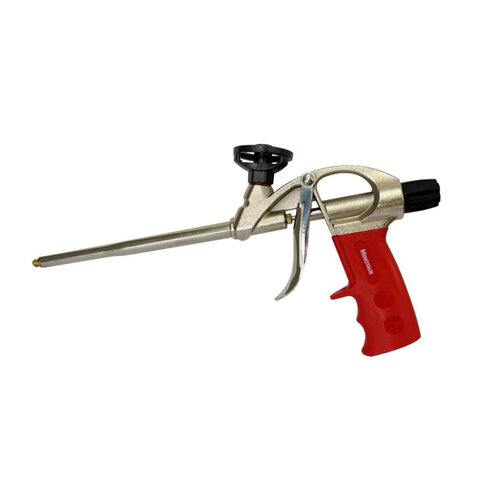
Minotaur Contractor - Foam Gun
Trade foam gun with flow control and PTFE coated can holder
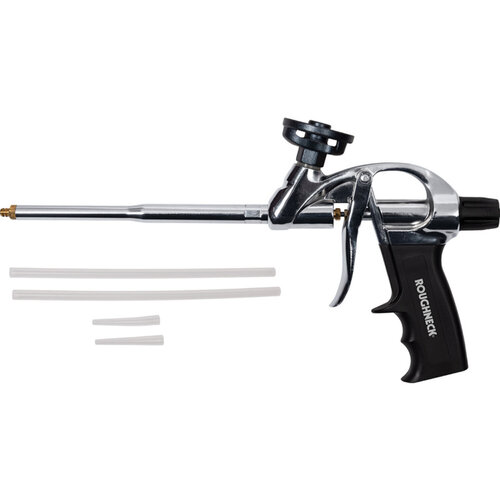
Roughneck Contractor Foam Gun
Contractor foam gun with PTFE-coated can holder for easy cleaning
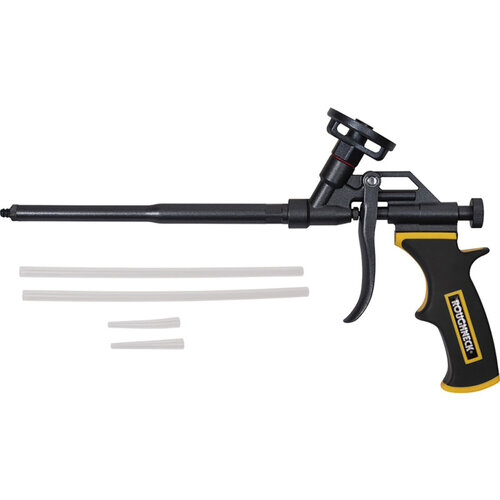
Roughneck Professional Foam Gun
Professional foam gun pack of 10 for 500ml or 750ml cartridges
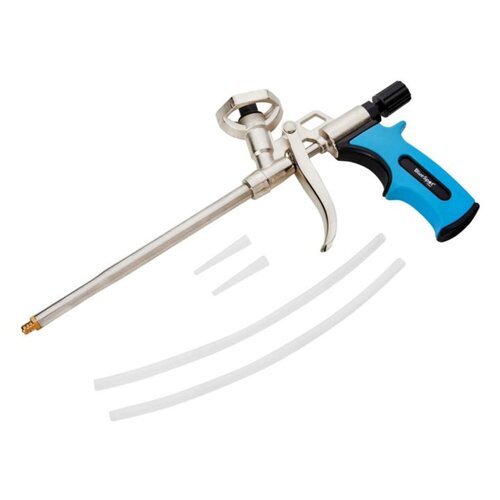
Blue Spot Expanding Foam Applicator Gun - Silver
Silver aluminium alloy expanding foam applicator gun
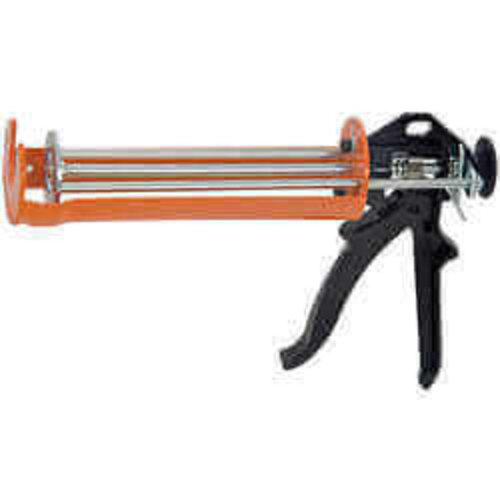
Heavy Duty Applicator Gun - 380ml
Heavy-duty applicator gun for 380ml polyester resin fixing systems
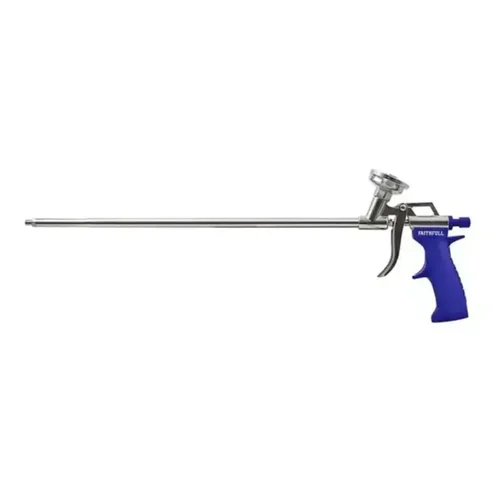
Faithfull Foam Spurt Gun
Foam spray gun for use with foam fillers
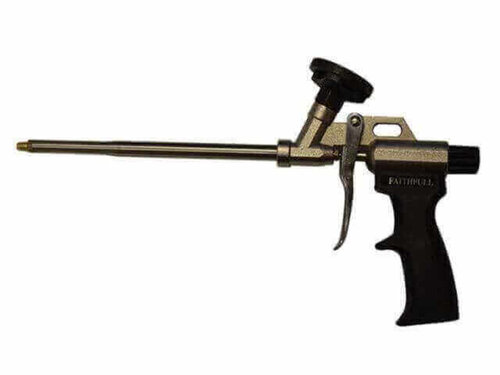
Faithfull Expanding Foam Gun
Expanding foam gun for 500/750ml PU canisters, Faithfull
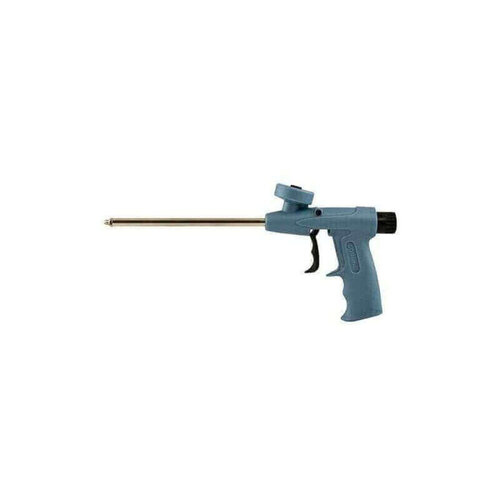
Soudal Compact PU Foam Gun - Blue
Professional foam applicator gun for expanding foam and cleaners
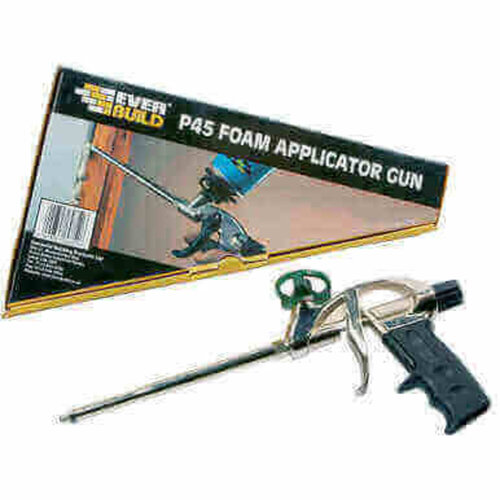
Everbuild P45 Medium Duty Metal Foam Applicator Gun
Medium duty metal foam applicator gun for precise expanding foam application.
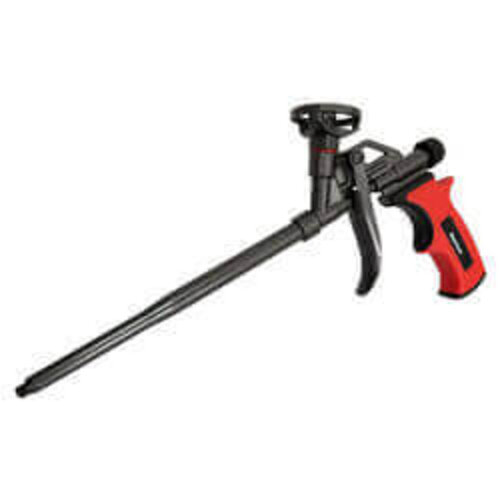
Minotaur Professional Foam Gun - Teflon Coated
Professional foam gun with PTFE coating, flow control, and ergonomic grip
For the Trade
Start with the cartridge and the bead you need, then decide how much control you want in the hand. For steady sealing work, applicator guns with a smoother trigger and decent thrust save you fighting the tube. A basic skeleton gun is usually enough for lighter, occasional jobs. If you’re running thicker mastics or adhesive, a stronger frame and better feed matter more than looks. The guns that come back are usually the ones that bind, slip, or won’t give you a clean stop at the end of the run.
Popular Applicator Gun Formats
Manual applicator guns are the usual pick when you want the lightest, simplest option for straightforward cartridge work and you’re not pushing a lot of material all day.
Step up to heavy duty applicator guns when the job is tougher or the sealant is stiffer. You get a firmer frame and less flex under load, but you carry a bit more weight.
Trade applicator guns sit in the middle for regular site use. Professional applicator guns suit repeated use where control matters and wear starts to show. If you’re comparing the full range, Fillers, Foams & Putty is the range to keep you oriented.
Key Differences When Choosing
What usually decides it is how much pressure you want in the hand and how tidy the stop-start needs to be. Lighter applicator guns are fine for the odd cartridge. Once you’re running thicker sealants or laying a lot of beads, a stiffer frame and smoother trigger usually matter more than saving a few quid.
Silicone guns with a better feed tend to slip less and keep the nozzle cleaner, but they’re heavier in the hand. If you’re moving onto foam work as well, keep Expanding Foam / Applicator Guns separate from your sealant gun. Grab Expanding Foam Gun Cleaner if you want the gun to keep working properly after the job.
Next Decisions After Choosing
Once you’ve picked the right applicator guns, the next call is usually what’s going around the bead. If the job includes panels, screens or a vanity run, get those ordered before you start so you’re not trying to finish round missing trims or fixings.
Storage and waste parts matter too. A neat seal around a unit is only as good as the fit-up behind it. For bathroom and kitchen work, the surrounding finish often decides whether you need a clean, narrow run or something more forgiving at the joint.
Related searches
Local availability for Applicator Guns











