Safes
Start with what needs protecting and how much room you have for the unit. Small safes suit light-duty storage and are easier to conceal, while larger safes give you more usable capacity but quickly become a handling and fixing job in their own right. Wall safes and floor safes suit jobs where concealment matters more than access. Digital safes are quicker for regular use, while combination and key lock options still work well when you want fewer moving parts. Fireproof safes are a different call again, useful when documents matter as much as theft resistance.
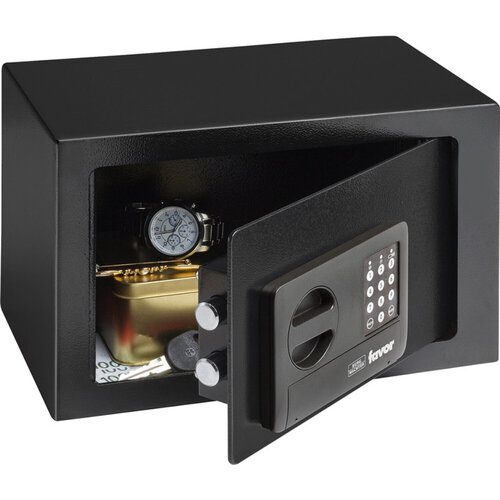
Burg-Wachter Favor Electronic Locking Safe - 9.5L
9.5L electronic safe with digital keypad and solid steel locking bolts
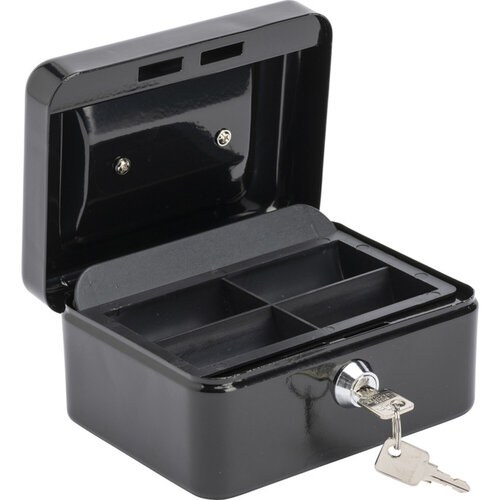
Burg-Wächter Cash Box - 8"
8-inch cash box with secure lock and removable coin tray
For the Trade
You narrow safes by space first, then by how the unit will be used. If the footprint is tight, a smaller unit or a wall or floor option usually makes more sense than forcing in a bigger box that gets in the way. For regular access, a digital safe is often chosen because it is quicker to live with, while combination locks suit jobs where you want to avoid batteries or keypad wear. Fireproof safes are a different call again, because the spec changes once documents or records matter. The mistake I see most is buying on finish before checking layout and use.
Popular Safe Formats
At the counter, the first split is usually between something quick to use and something you will not want to move later.
Digital safes suit jobs where fast access matters and you want to avoid key issues. The trade-off is the keypad and batteries, so they are not the simplest option.
Wall safes and floor safes come into play when concealment matters more than easy repositioning. Floor safes usually give you the firmer fixing option.
Home safes and office safes are the plain all-round picks. Fireproof safes are the one to look at when the contents need heat protection as well as security.
If you want the full range, start with Security.
Key Differences When Choosing
Size is usually the first call with safes. Small safes are easier to tuck away and simpler to handle, but you give up capacity, so they suit lighter contents or tighter fixing positions. Large safes give you more room for files, cash trays or bulkier items, though they take more space and can be awkward where access is tight or floor loading is a concern.
If the job needs the safe to sit out of sight, wall safes or floor safes are the usual pick, but they depend on the right void or slab. For regular opening, digital safes are quicker to use than key or combination types. If the job runs alongside Post Boxes or Vehicle & Outdoor Security, sort the safe first so you do not end up short on fixing space.
Next Decisions After Choosing
Once you’ve picked the safe, the next call is where it sits and what has to work around it. A wall safe or floor safe only makes sense if the structure and finish let you hide it properly. If not, a freestanding unit that can be fixed down is usually the cleaner fit.
Fireproof safes are a separate buy from ordinary storage. The spec changes what you’re getting, not just the size. On jobs with regular access, digital safes cut out key handling. A combination lock still suits sites where you don’t want batteries or codes causing trouble.
Related searches
Local availability for Safes

