Workshop Machinery
When you’re buying workshop machinery, start with the job. Look at capacity, footprint, and how often you’ll use it. Heavy duty workshop machinery suits kit that stays put and gets daily use. Portable workshop machinery works better when access is tight or you need to move it between jobs.
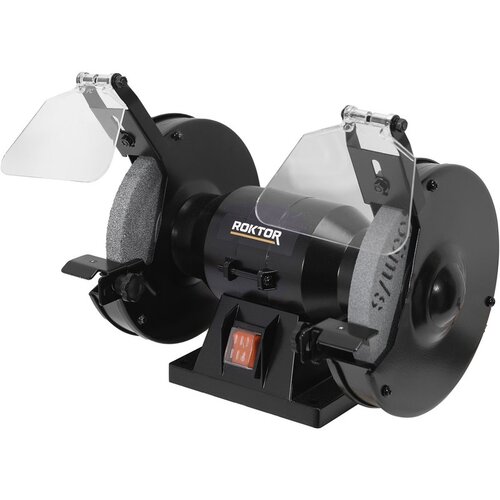
ROKTOR Brushless 230V 150W 150mm Bench Grinder - 230V
ROKTOR 150W bench grinder with two 150mm grinding wheels
For the Trade
Start with the space you’ve got and how the machine will be used. That usually rules out half the options before you get into finishes or extras. With workshop machinery, a compact footprint matters more than a long spec sheet if access is tight or the unit has to move around the shop. Heavier kit makes more sense where it stays put and gets used hard. Look at how much adjustment you need day to day. The wrong layout slows the job down and ends up left idle. That is usually what decides the buy, not the badge on the side.
Popular Workshop Machinery Formats
Heavy duty workshop machinery suits jobs where the kit stays in place and takes regular use. Portable workshop machinery fits better when you need to move it between jobs or shift it around a tight unit.
Industrial workshop machinery is the step up when the workload stays constant and you want less compromise on output. The trade-off is weight, space, and a bigger commitment on the floor.
Most trade workshop machinery buys come down to fixed, mobile, or something in between. Compared with the wider Power Tools range, this is where you move from hand-held kit to bench-based machinery.
Key Differences When Choosing
What usually decides it is how hard you’ll work the kit and how often it needs moving.
If it stays put and sees repeated use, heavier workshop machinery usually makes more sense. It sits better and takes punishment better, but you give up easy moving.
If you’re shifting it between jobs or space is tight, lighter portable workshop machinery is easier to handle. The trade-off is capacity and stability.
For jobs that need more versatility, Glue & Heat Guns and Impact Drivers & Wrenches are the next call, depending on whether you’re finishing, fixing, or assembling.
Next Decisions After Choosing
Once you’ve picked the machine, the next call is usually what the bay needs around it. In a busy workshop, that means storage, screens, and the finishes that keep the area usable.
A solid bench or cabinet matters more than most people admit. Loose kit gets in the way and goes missing. If you’re setting out a fixed bay, workshop machinery usually sits alongside panels or screens to separate work areas. Lighter portable workshop machinery often needs storage that can move with it. Keep the surrounding kit matched to the job, not the other way round.
Related searches
Local availability for Workshop Machinery

