Garden Incinerators
Garden incinerators come down to capacity, how often you’re clearing waste, and whether you want a lighter bin or a heavier steel build that will take more punishment. A lidded or ash-pan style unit gives cleaner burn control and easier emptying. A plain metal incinerator bin keeps things simple and cheaper. Thinner bins suit lighter jobs, but they tend to distort first when they are worked hard.
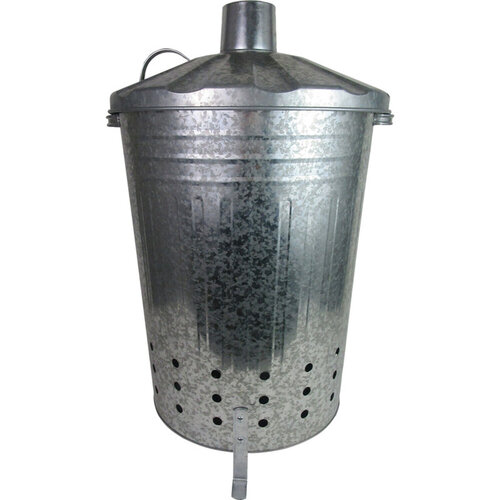
Incinerator - 80L
80 litre galvanised steel garden incinerator with chimney lid
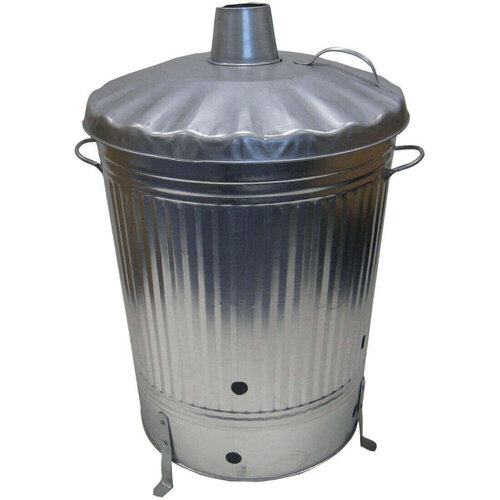
Incinerator Taper Including Lid - Galvanised
Galvanised steel incinerator for garden waste disposal
For the Trade
Start with how much waste you’re clearing and how often it’ll be lit. That usually tells you if a lighter metal incinerator bin will do the job or if you need a heavier build that stands up better to repeated use. If it’s mainly cuttings and dry offcuts, a basic garden incinerator is usually enough. If it’s being dragged out day after day, the stronger garden waste burner options are the ones that avoid early distortion and loose seams. A garden burner with a lid or ash pan can be worth it when you want better control and easier emptying. You do give up a bit of simplicity, and you usually pay for the extra parts.
Garden Incinerator Options Compared
The first split is between a plain garden incinerator and a heavier garden waste burner. The lighter option suits occasional clearance and smaller loads. It is easier to handle, and cheaper to replace if it gets tired.
A heavier metal incinerator bin or garden burner fits regular use. It stands up better to repeated firing, but you carry more weight and usually pay for that extra life. For routine work around Maintenance & Care, the simpler bin usually makes sense. If it is getting used hard through the season, the sturdier format is the better call.
Choosing Materials and Size
Material is where most of the decision sits.
A steel incinerator bin suits tougher daily use. It usually gives you a firmer enamelled face, so it stands up better when the job is repeated. The trade-off is weight. On many sites, it is harder to move.
For occasional clearance, a lighter metal incinerator bin is easier to shift around. Size depends on how much waste you burn at once. Too small, and you keep feeding it. Too big, and it becomes awkward to handle.
If you are clearing mixed green waste, Compost is often the cleaner route. If you are bagging material and moving it off site, Garden Bags usually makes more sense.
Completing the Setup
Once you’ve picked the right garden incinerators, the next call is what you’re doing with the waste and how you’re keeping the area tidy between burns. On a lot of jobs that means garden bags for collecting dry waste, or compost if the arisings are going that way instead of being burned.
Around beds and borders, plant and tree ties often go in the same order. Clearance work turns up loose stems and branches that need securing. Keep it practical. Buy the storage and finishing bits that match the waste stream, not a mixed basket that leaves you short on the day.
Related searches
Local availability for Garden Incinerators


