Pothole Filler
Pothole filler comes down to the surface and the traffic it needs to take. A fast-setting tarmac repair compound suits reactive jobs and short closures, while a slower mix gives you more working time on awkward patches or deeper repairs. The trade-off is simple: quicker set means less waiting, but less room to work the finish. Most failures come from poor matching to the existing surface or using a mix that’s too soft for the wear it will see.
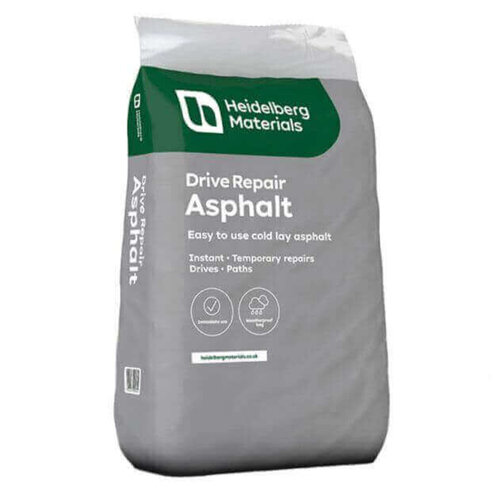
Hanson Drive Repair Asphalt Bag - 25kg
25kg bag of cold-lay asphalt for temporary driveway and path repairs.
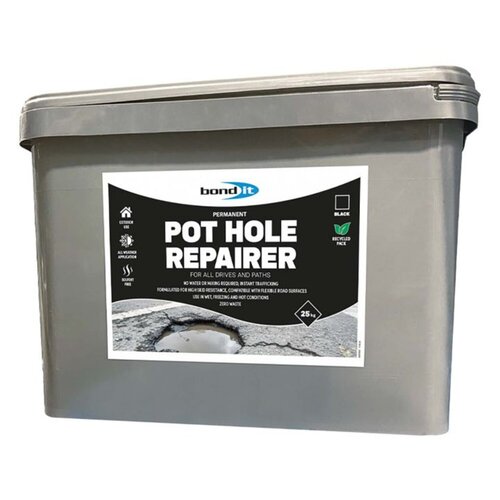
Drive Alive Permanent Pot Hole Repairer - 25kg Black
25kg black permanent pothole repairer for roads, pavements and car parks.
For the Trade
Start with the space you’ve got and how the repair will be used, because that usually decides the product before anything else. A pothole filler for a small, shallow patch on a yard is a different call from a road repair compound that needs to cope with regular traffic and a rougher edge. If you’re working to a tight programme, rapid-setting material saves time, but it gives you less room to adjust the fill. Bigger or deeper repairs usually need a product that beds in properly rather than one that just skins over.
Pothole Filler Options Compared
The first split is usually between a pothole repair filler for quick patching and a pothole repair compound when you want more working time and a neater finish on repeat jobs. A road repair filler suits heavier traffic areas where you need a tougher patch. Asphalt repair filler fits best when you are matching an asphalt surface and want the repair to blend in.
Tarmac repair filler and bitumen repair filler are much the same call in practice. Pick the one that matches the existing surface and the time you have. Get that wrong and you can end up with a patch that looks fine for a week, then starts to break up. If you are comparing the wider Aggregates & Chemicals range, this is the point where the job narrows fast.
Choosing Materials and Size
What usually decides it is the surface you’re patching, how deep the hole is, and how soon it needs to take traffic.
For a straightforward tarmac or asphalt repair, standard pothole filler is usually the economical call. It suits quick patching where you want a clean fill without overcomplicating the job.
If the area sees heavier wear or regular traffic, a pothole repair compound gives you a firmer finish. The trade-off is less forgiveness if the prep is poor, so the base needs to be sound.
When the repair has moved beyond a simple patch, look at Additives & Plasticisers or Cement Mix for a mixed build-up.
Completing the Setup
Once you’ve picked the pothole filler, the next call is what else needs to go into the repair area. On a bigger job, you may need edging, a clean-up material for loose debris, or a surface finish that ties into the surrounding tarmac repair compound rather than leaving a soft patch at the edge.
That surrounding material matters as much as the filler itself. A decent repair still gets called back if the finish around it is wrong. Keep to the products that support the repair and leave unrelated sealers or general mixes out of it.
Related searches
Local availability for Pothole Filler



